
How to Start a Dhaba: Licences and Registrations You Need to Run It Legally

Opening a dhaba can be an attractive small-business opportunity because it offers affordable and filling food to a wide range of customers. However, choosing a location and arranging the kitchen are not the only things to consider. Several licences and registrations may be required before you can operate the business legally.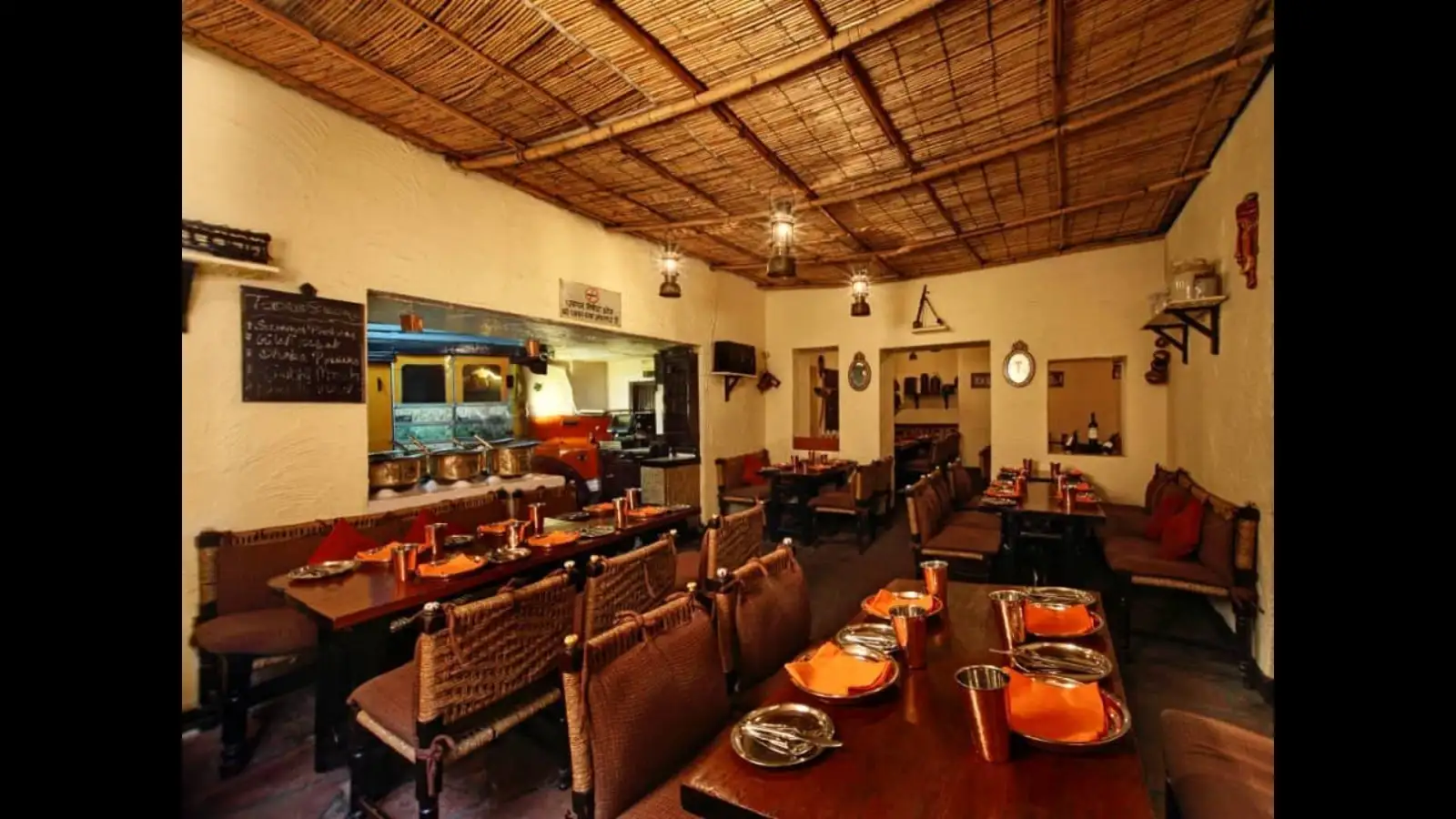
Starting a dhaba without the required permissions can result in notices, penalties or other regulatory action. The exact requirements can vary depending on the location, size and nature of the business. Here are the key licences and registrations you should check before starting.
The applicable FSSAI registration or licence depends on factors such as the nature and scale of the food business. Applications can be made through the official FSSAI system.
The application process varies from one local authority to another. Some authorities accept applications through online portals, while others may require submission through their offices.
This can include checks related to kitchen cleanliness, water, utensils, waste disposal and other sanitary conditions. In some cities, health-related permissions may be integrated with the trade licence process.
Therefore, it is important to check the latest GST threshold and applicable rules before starting operations.
This registration helps place the business within the state's labour and employment framework. It can cover matters such as working hours, holidays, leave and employment records.
The exact fire safety requirements should be confirmed with the local fire department before beginning operations.
A dhaba may be a relatively simple business to start, but complying with food safety, municipal, fire, tax and labour-related requirements is important. Checking the rules applicable to your specific location before opening can help avoid regulatory problems later.
Disclaimer: Licence, registration, GST and local business requirements may vary by state, municipality and the nature of the establishment. Rules and thresholds may also change. Applicants should verify the latest requirements with the relevant government authorities before starting the business.
Starting a dhaba without the required permissions can result in notices, penalties or other regulatory action. The exact requirements can vary depending on the location, size and nature of the business. Here are the key licences and registrations you should check before starting.
FSSAI Licence
An FSSAI licence or registration is an important requirement for a food business. The Food Safety and Standards Authority of India regulates food safety and hygiene standards.The applicable FSSAI registration or licence depends on factors such as the nature and scale of the food business. Applications can be made through the official FSSAI system.
Trade Licence
A trade licence gives permission to operate a business at a particular location. It is generally issued by the local municipal corporation, municipality or, where applicable, panchayat.The application process varies from one local authority to another. Some authorities accept applications through online portals, while others may require submission through their offices.
Health Trade Licence
A health trade licence may also be required by the local authority or Health Department. Its purpose is to ensure that the food establishment follows basic hygiene and sanitation requirements.This can include checks related to kitchen cleanliness, water, utensils, waste disposal and other sanitary conditions. In some cities, health-related permissions may be integrated with the trade licence process.
GST Registration
GST registration is required when a business becomes liable under the applicable GST rules. Whether a newly opened dhaba needs GST registration immediately depends on factors such as turnover and the nature and location of the business.You may also like
- Impact of UPI charges begins to show! Many shopkeepers have refused to accept online payments; will the common man face increased trouble?
- EPS Pension Hike: Will you get a ₹12,500 pension if the salary limit is increased? Read the full math
- Gold Rate Today: Gold Falls 0.5%, Silver Also Declines in Early Trade
- Old Age Pension Scheme: Apply Online, Required Documents and Benefits
- Chhath-Diwali Special Trains: 13 Pairs Announced, Check Routes and Schedule
Therefore, it is important to check the latest GST threshold and applicable rules before starting operations.
Shop and Establishment Registration
Depending on the state and the nature of the establishment, registration under the applicable Shops and Establishments law may be required.This registration helps place the business within the state's labour and employment framework. It can cover matters such as working hours, holidays, leave and employment records.
Fire Safety NOC
A fire safety clearance or NOC may be required depending on the size, location and setup of the dhaba. This is particularly important where the premises involve LPG cylinders, tandoors, cooking equipment or significant open flames.The exact fire safety requirements should be confirmed with the local fire department before beginning operations.
How to Apply for Dhaba Licences
The process can vary by state and local authority, but the basic steps generally include:- Choose a name for the dhaba and decide the business structure.
- Finalise the premises after checking local land-use and business requirements.
- Apply for the applicable FSSAI registration or licence.
- Obtain the local trade licence from the relevant authority.
- Complete health and sanitation-related permissions, wherever applicable.
- Check fire safety requirements and obtain the required clearance if applicable.
- Apply for GST registration if your business falls under the applicable GST requirements.
- Complete Shops and Establishments registration if required in your state.
- Complete any inspection or verification required by the authorities.
- Start operations after obtaining the applicable approvals.
Keep Documents Ready
Before applying, keep commonly required documents such as identity and address proof, photographs, details of the premises, ownership or rent documents and business-related information ready. The exact document list can differ between authorities and states.A dhaba may be a relatively simple business to start, but complying with food safety, municipal, fire, tax and labour-related requirements is important. Checking the rules applicable to your specific location before opening can help avoid regulatory problems later.
Disclaimer: Licence, registration, GST and local business requirements may vary by state, municipality and the nature of the establishment. Rules and thresholds may also change. Applicants should verify the latest requirements with the relevant government authorities before starting the business.






Loving Newspoint? Download the app now
