
Lights out: How Iran quietly moved millions of barrels through Hormuz under America's nose


As the conflict between the US and Iran escalates, supertankers are quietly transiting through the Strait of Hormuz . Iran has continued moving oil tankers through the Strait of Hormuz in recent days, even before the United States announced that it would reinstate a blockade on Iranian ports amid escalating hostilities.
Over the past several days, these so-called dark transits have been more than the number of publicly visible voyages. Even so, the growing number of attacks on ships by both Iran and the US has made passage through the waterway increasingly hazardous.
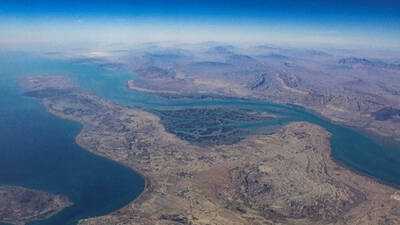
How Iran is moving shipsAccording to ship-tracking data compiled by Bloomberg, six US-sanctioned supertankers with a carrying capacity of 12 million barrels of crude combined have crossed the Strait of Hormuz into the Gulf of Oman over the past week while keeping their transponders switched off.
These vessels, along with other ships linked to Iran, made the voyage after Washington withdrew the temporary waiver that had allowed Tehran to export its oil on July 7.
Also Read | Reverse oil flow: India supplies gasoline to Russia - why it matters
Conditions around the Strait of Hormuz have worsened since then. The White House is set to reimpose its blockade from 4 p.m. Washington time on Tuesday, while President Donald Trump has called for a 20% toll on cargoes transiting the waterway with US support, although no further details have been provided.
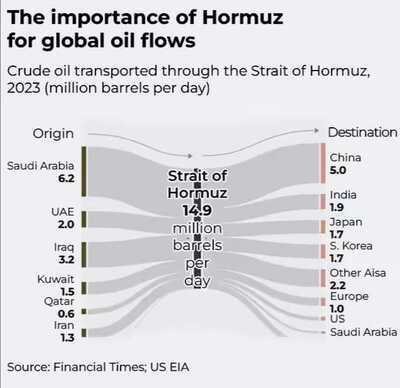
Ship-tracking data showed that visible vessel movements through the Strait of Hormuz had virtually come to a halt early on Tuesday. One bulk carrier was sailing into the Persian Gulf en route to Sharjah in the United Arab Emirates, while two liquefied petroleum gas (LPG) carriers were approaching the strait from the gulf to head out in the opposite direction.
It remains possible that additional non-Iranian vessels are transiting the Strait of Hormuz without broadcasting their positions, as they have switched off their transponders.
In addition to the six Iranian supertankers, several other US-sanctioned vessels linked to Tehran—including crude oil tankers, LPG carriers and container ships—have passed out of the Strait of Hormuz since July 7. Together, they form part of the 57 million barrels of crude that Iran has succeeded in exporting during the period between the two US naval blockades.
Also Read | Strait of Hormuz toll proposal: What are the key waterways in the world & is there a fee to transit them?
Trump’s naval blockade threat
Trump said on Monday that the United States is restoring its blockade of Iranian shipping in the Gulf and would ensure the Strait of Hormuz remained open after fresh exchanges of missile and drone attacks between the two sides.
The renewed fighting came after Iran announced over the weekend that it was closing the Strait of Hormuz. The latest escalation further clouded prospects for the interim agreement aimed at halting the conflict in the Middle East and pushed oil prices higher.
“The Hormuz Strait is OPEN, and will remain OPEN, with or without Iran. We are reinstating THE IRANIAN BLOCKADE,” Trump said on Truth Social. “The USA will be, from this point forward, known as ‘THE GUARDIAN OF THE HORMUZ STRAIT’, but as such, and as a matter of FAIRNESS, will be reimbursed, at the rate of 20% on all cargo shipped.”
Iranian Foreign Minister Abbas Araghchi responded by mocking Trump's remarks on transit charges. In a post, he said, “POTUS is absolutely right. Whoever provides secure and safe passage of commercial vessels through the Strait of Hormuz should be compensated for this service. Iran has always been the GUARDIAN of the Strait and will remain so FOREVER. 20% is of course too much. We will be fair.”
Over the past several days, these so-called dark transits have been more than the number of publicly visible voyages. Even so, the growing number of attacks on ships by both Iran and the US has made passage through the waterway increasingly hazardous.
How Iran is moving shipsAccording to ship-tracking data compiled by Bloomberg, six US-sanctioned supertankers with a carrying capacity of 12 million barrels of crude combined have crossed the Strait of Hormuz into the Gulf of Oman over the past week while keeping their transponders switched off.
These vessels, along with other ships linked to Iran, made the voyage after Washington withdrew the temporary waiver that had allowed Tehran to export its oil on July 7.
Also Read | Reverse oil flow: India supplies gasoline to Russia - why it matters
Conditions around the Strait of Hormuz have worsened since then. The White House is set to reimpose its blockade from 4 p.m. Washington time on Tuesday, while President Donald Trump has called for a 20% toll on cargoes transiting the waterway with US support, although no further details have been provided.
Ship-tracking data showed that visible vessel movements through the Strait of Hormuz had virtually come to a halt early on Tuesday. One bulk carrier was sailing into the Persian Gulf en route to Sharjah in the United Arab Emirates, while two liquefied petroleum gas (LPG) carriers were approaching the strait from the gulf to head out in the opposite direction.
It remains possible that additional non-Iranian vessels are transiting the Strait of Hormuz without broadcasting their positions, as they have switched off their transponders.
In addition to the six Iranian supertankers, several other US-sanctioned vessels linked to Tehran—including crude oil tankers, LPG carriers and container ships—have passed out of the Strait of Hormuz since July 7. Together, they form part of the 57 million barrels of crude that Iran has succeeded in exporting during the period between the two US naval blockades.
Also Read | Strait of Hormuz toll proposal: What are the key waterways in the world & is there a fee to transit them?
Trump’s naval blockade threat
Trump said on Monday that the United States is restoring its blockade of Iranian shipping in the Gulf and would ensure the Strait of Hormuz remained open after fresh exchanges of missile and drone attacks between the two sides.
The renewed fighting came after Iran announced over the weekend that it was closing the Strait of Hormuz. The latest escalation further clouded prospects for the interim agreement aimed at halting the conflict in the Middle East and pushed oil prices higher.
“The Hormuz Strait is OPEN, and will remain OPEN, with or without Iran. We are reinstating THE IRANIAN BLOCKADE,” Trump said on Truth Social. “The USA will be, from this point forward, known as ‘THE GUARDIAN OF THE HORMUZ STRAIT’, but as such, and as a matter of FAIRNESS, will be reimbursed, at the rate of 20% on all cargo shipped.”
Iranian Foreign Minister Abbas Araghchi responded by mocking Trump's remarks on transit charges. In a post, he said, “POTUS is absolutely right. Whoever provides secure and safe passage of commercial vessels through the Strait of Hormuz should be compensated for this service. Iran has always been the GUARDIAN of the Strait and will remain so FOREVER. 20% is of course too much. We will be fair.”
Next Story