
Old ₹50 Orange Note Could Fetch High Prices Among Collectors, But Here's What You Should Know Before Selling

Old Indian currency notes continue to attract attention from collectors, particularly those featuring unusual serial numbers or distinctive printing characteristics. In recent weeks, claims circulating online have suggested that certain orange-coloured ₹50 notes could be worth several lakh rupees. While collectible currency can sometimes command premium prices, experts advise that such claims should be treated carefully unless supported by genuine buyer demand.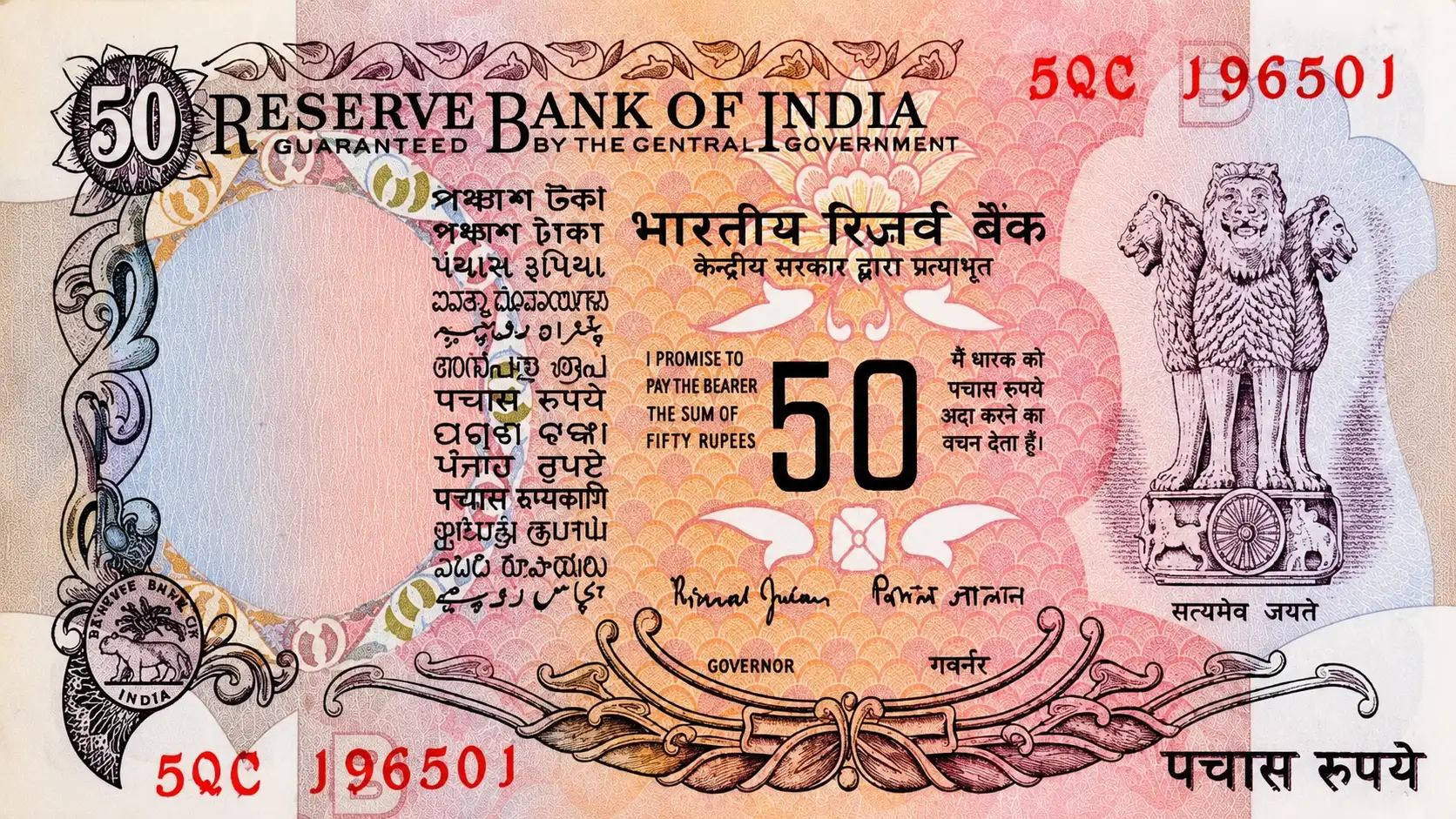
According to experts, the value of a collectible banknote depends on rarity, condition, historical significance and the willingness of collectors to pay a premium. Simply possessing an old note does not automatically guarantee a large financial return.
Serial numbers also play an important role in determining collectable value. Notes carrying sequences such as 000001, 111111, 222222 or numbers ending in 786 often attract attention because many collectors consider them desirable.
According to experts, even among notes with fancy serial numbers, the final selling price depends entirely on market demand and negotiations between buyers and sellers.
This means an old ₹50 orange note could receive offers above its face value if it appeals to collectors. However, there is no fixed rate, and no guarantee that every note with a special serial number will sell for a high amount.
Experts also point out that condition matters significantly. A crisp, undamaged note generally attracts greater interest than one with folds, stains or tears.
Typically, sellers create an account, upload clear photographs of both sides of the note and provide details such as the serial number, year of issue and overall condition. Interested buyers can then contact the seller if the listing matches what they are looking for.
According to experts, anyone considering selling a rare Indian currency note should carefully review the platform's policies and remain alert to potential scams or fraudulent payment requests.
There is no official confirmation that every orange-coloured ₹50 note or every fancy serial number note is worth lakhs of rupees. The final price, if any, depends on collector interest, authenticity, condition and successful negotiation.
Experts recommend researching recent sales, verifying buyer credentials and avoiding advance payment scams before completing any deal.
If you own an old ₹50 orange note, it may be worth examining its serial number and condition before deciding whether to list it for sale. However, expectations should remain realistic. Collectible banknotes can sometimes generate attractive returns, but claims of guaranteed lakh-rupee earnings should be viewed with caution until backed by genuine offers from verified collectors.
Disclaimer: The information in this article is based on claims circulating on social media. NewsPoint has not independently verified these claims. Readers are advised to exercise their own discretion before making any decisions.
According to experts, the value of a collectible banknote depends on rarity, condition, historical significance and the willingness of collectors to pay a premium. Simply possessing an old note does not automatically guarantee a large financial return.
What Makes An Old ₹50 Note Valuable?
Collectors generally look for features that distinguish one banknote from another. These may include rare printing variations, notes issued during a specific period, unusual design characteristics or exceptionally well-preserved condition.Serial numbers also play an important role in determining collectable value. Notes carrying sequences such as 000001, 111111, 222222 or numbers ending in 786 often attract attention because many collectors consider them desirable.
According to experts, even among notes with fancy serial numbers, the final selling price depends entirely on market demand and negotiations between buyers and sellers.
Collectors, Not Face Value, Decide The Price
Unlike standard currency transactions, collectible banknotes are bought and sold based on perceived rarity rather than their printed denomination.This means an old ₹50 orange note could receive offers above its face value if it appeals to collectors. However, there is no fixed rate, and no guarantee that every note with a special serial number will sell for a high amount.
Experts also point out that condition matters significantly. A crisp, undamaged note generally attracts greater interest than one with folds, stains or tears.
Where Sellers List Rare Currency Notes
People looking to sell collectible banknotes often use online marketplaces that allow individuals to advertise items directly to interested buyers.You may also like
- NSE's latest index lets you invest in companies following ahimsa
- Spain's Submer Group to invest USD 2 billion in semiconductor industry in MP
- India's inflation likely to cross 4% mark
- 'Won't cede ground on agriculture': India on US trade talks, seeks tariff edge before signing deal, says report
- Govt finds no evidence of critical data loss in Tata Electronics cyber incident: IT Secretary
Typically, sellers create an account, upload clear photographs of both sides of the note and provide details such as the serial number, year of issue and overall condition. Interested buyers can then contact the seller if the listing matches what they are looking for.
According to experts, anyone considering selling a rare Indian currency note should carefully review the platform's policies and remain alert to potential scams or fraudulent payment requests.
Take Care Before Believing Viral Claims
Social media frequently features posts claiming that certain old banknotes can instantly make their owners wealthy. Such messages often exaggerate the potential value of collectible currency and may not reflect actual market transactions.There is no official confirmation that every orange-coloured ₹50 note or every fancy serial number note is worth lakhs of rupees. The final price, if any, depends on collector interest, authenticity, condition and successful negotiation.
Experts recommend researching recent sales, verifying buyer credentials and avoiding advance payment scams before completing any deal.
A Collectible Market Driven By Demand
The market for rare Indian currency notes continues to attract hobbyists and collectors who appreciate unusual banknotes. Some genuinely scarce notes have sold for premium prices over the years, but those cases are typically linked to exceptional rarity rather than ordinary circulation notes.If you own an old ₹50 orange note, it may be worth examining its serial number and condition before deciding whether to list it for sale. However, expectations should remain realistic. Collectible banknotes can sometimes generate attractive returns, but claims of guaranteed lakh-rupee earnings should be viewed with caution until backed by genuine offers from verified collectors.
Disclaimer: The information in this article is based on claims circulating on social media. NewsPoint has not independently verified these claims. Readers are advised to exercise their own discretion before making any decisions.






Loving Newspoint? Download the app now
