
One Nation One Ration Card Scheme: How Digital Ration Cards Are Transforming Food Security in India

The One Nation One Ration Card Scheme is reshaping India’s public distribution system by making subsidised food grains accessible across state borders. Designed to strengthen food security and support migrant workers, this nationwide reform allows eligible beneficiaries to claim rations from any fair price shop in the country, ensuring no family goes hungry due to relocation.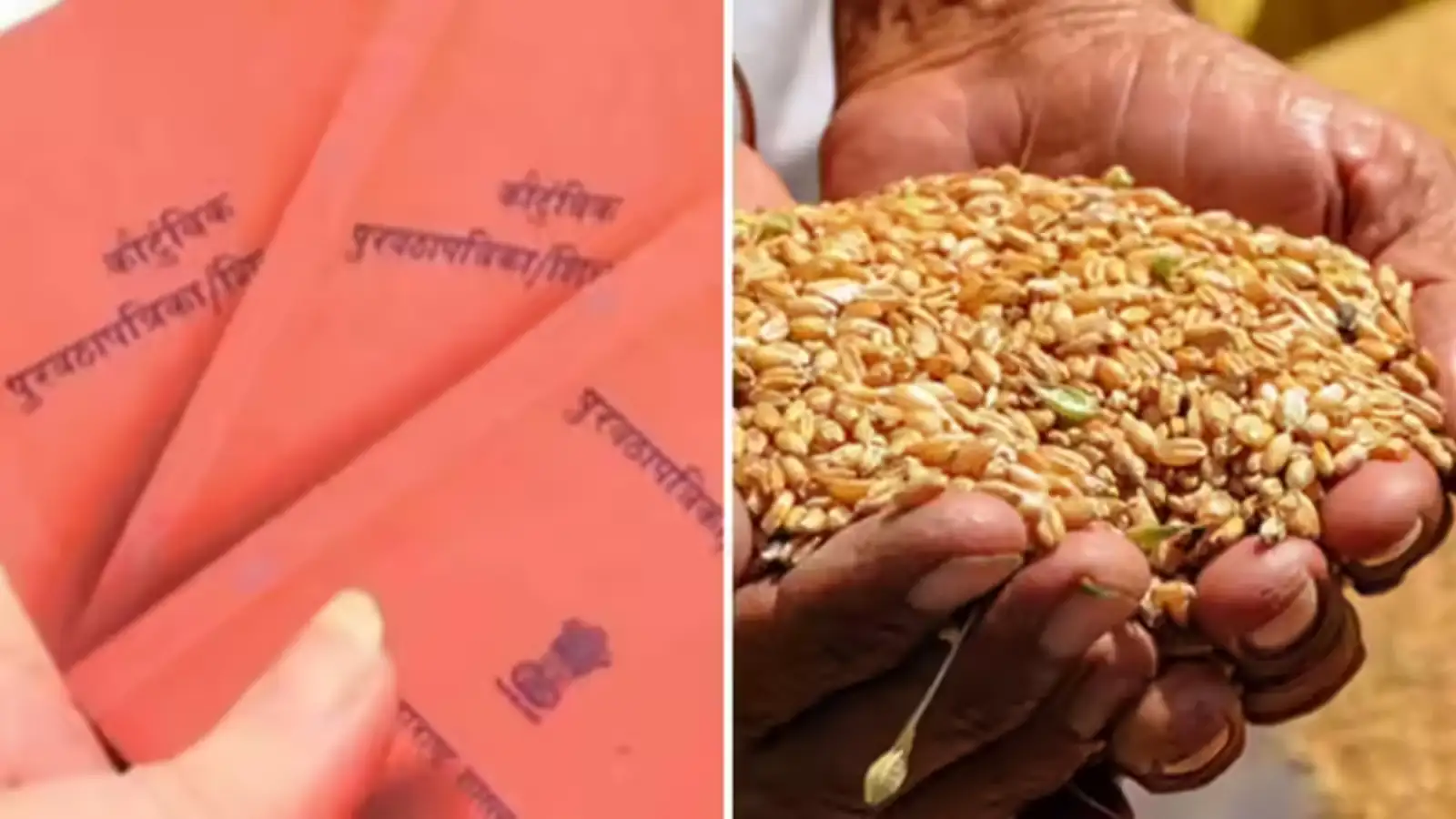
What Is the One Nation One Ration Card Scheme?
The One Nation One Ration Card ( ONORC ) scheme is a central government initiative aimed at providing portability of ration benefits under the National Food Security Act (NFSA), 2013.
Under this system:
This reform addresses the long-standing issue faced by millions who migrate for employment but previously lost access to their food security benefits outside their home state.
How Digital Ration Cards and Aadhaar Linking Work
To successfully implement the One Nation One Ration Card Scheme, the government has digitised ration cards nationwide.
Key Features of the Digital System:
This system ensures that the distribution process is transparent, accurate and efficient. It also allows authorities to track transactions instantly.
Major Benefits of the One Nation One Ration Card Scheme
The ONORC scheme is bringing significant improvements to India’s food distribution framework.
Who Is Eligible for the One Nation One Ration Card Scheme?
All beneficiaries covered under the National Food Security Act (NFSA), 2013 are eligible for ration portability under this scheme.
Eligibility Criteria:
Once Aadhaar linking is complete, beneficiaries can avail their food grains from any participating state.
How to Apply for a New Ration Card
Obtaining a ration card has become simpler with both online and offline options available.
Online Application Process:
Offline Application Process:
After verification, the ration card is issued to eligible applicants.
How the Scheme Is Helping Common Citizens
The One Nation One Ration Card Scheme has brought relief to families that frequently move for work. Workers no longer have to depend on local arrangements or skip meals due to lack of documentation in a new state.
By ensuring portability, transparency and accountability, the scheme has:
For millions of vulnerable citizens, this reform is more than a policy change - it is a reliable safety net that guarantees access to essential food supplies, regardless of location.
The One Nation One Ration Card Scheme marks a major step towards building a unified and efficient food distribution system in India. Through digital ration cards, Aadhaar authentication and nationwide portability, the government has modernised the Public Distribution System to better serve migrant workers and economically weaker families.
As implementation continues to expand, the scheme stands as a powerful initiative in ensuring food security and reducing hunger across the country.
What Is the One Nation One Ration Card Scheme?
The One Nation One Ration Card ( ONORC ) scheme is a central government initiative aimed at providing portability of ration benefits under the National Food Security Act (NFSA), 2013.
Under this system:
- Beneficiaries can collect subsidised food grains from any authorised ration shop across India.
- There is no restriction to a specific state or hometown.
- Migrant workers, daily wage earners and low-income families can access their entitlements wherever they reside.
This reform addresses the long-standing issue faced by millions who migrate for employment but previously lost access to their food security benefits outside their home state.
How Digital Ration Cards and Aadhaar Linking Work
To successfully implement the One Nation One Ration Card Scheme, the government has digitised ration cards nationwide.
Key Features of the Digital System:
- Aadhaar Linking: Ration cards are linked with Aadhaar numbers to verify the identity of beneficiaries.
- Centralised Database: Data from all states and union territories is integrated into a national digital platform.
- e-PoS Machines: Electronic Point of Sale devices are installed at fair price shops for real-time authentication.
- Biometric Verification: Beneficiaries verify their identity using fingerprint authentication before receiving food grains.
This system ensures that the distribution process is transparent, accurate and efficient. It also allows authorities to track transactions instantly.
Major Benefits of the One Nation One Ration Card Scheme
The ONORC scheme is bringing significant improvements to India’s food distribution framework.
1. Nationwide Portability
Beneficiaries can collect their ration from any state, making it especially helpful for migrant labourers.2. Reduced Fraud and Duplicate Cards
Digitisation has helped eliminate fake and duplicate ration cards, ensuring benefits reach genuine recipients.3. Increased Transparency
Real-time monitoring through e-PoS machines has reduced corruption and leakages in the Public Distribution System (PDS).4. Food Security for All
The scheme strengthens India’s commitment to ending hunger and supports vulnerable households with consistent access to subsidised food grains.Who Is Eligible for the One Nation One Ration Card Scheme?
All beneficiaries covered under the National Food Security Act (NFSA), 2013 are eligible for ration portability under this scheme.
Eligibility Criteria:
- Must hold a valid ration card.
- Ration card must be linked with Aadhaar.
- Biometric authentication is required at the ration shop.
Once Aadhaar linking is complete, beneficiaries can avail their food grains from any participating state.
How to Apply for a New Ration Card
Obtaining a ration card has become simpler with both online and offline options available.
Online Application Process:
You may also like
- BJP Announces Nationwide Campaign To Mark Guru Ravidas' 650th Birth Anniversary Year From July 29
- Tata Sons AGM on August 18 to test governance framework amid regulatory proceedings involving Sir Ratan Tata Trust
- South Mumbai's Luxury Housing Faces Slow Sales Despite Limited Unsold Inventory: Knight Frank
- 'Nobody Has Right To Malign Anyone': Rhiya Yadav Ahir, Face Of Dadar Protest, Files Complaint Over Online Abuse Targeting Her - VIDEO
- 'Maharashtra Government Stands Firmly With War Widows, Mothers Of Martyrs And Soldiers': Dy CM Sunetra Pawar
- Visit your state’s Food and Civil Supplies Department website.
- Register as a new user.
- Fill out the application form with family details.
- Upload required documents.
- Pay the prescribed application fee.
Offline Application Process:
- Visit the nearest Food Supply Office or authorised ration dealer.
- Collect and fill out the application form.
- Submit the form with required documents.
After verification, the ration card is issued to eligible applicants.
How the Scheme Is Helping Common Citizens
The One Nation One Ration Card Scheme has brought relief to families that frequently move for work. Workers no longer have to depend on local arrangements or skip meals due to lack of documentation in a new state.
By ensuring portability, transparency and accountability, the scheme has:
- Simplified access to subsidised food grains
- Reduced exploitation and irregularities
- Strengthened India’s food security system
For millions of vulnerable citizens, this reform is more than a policy change - it is a reliable safety net that guarantees access to essential food supplies, regardless of location.
The One Nation One Ration Card Scheme marks a major step towards building a unified and efficient food distribution system in India. Through digital ration cards, Aadhaar authentication and nationwide portability, the government has modernised the Public Distribution System to better serve migrant workers and economically weaker families.
As implementation continues to expand, the scheme stands as a powerful initiative in ensuring food security and reducing hunger across the country.






Loving Newspoint? Download the app now
