
Plastic Currency Notes in India? RBI Revives Plan to Introduce Polymer Banknotes

India could soon witness a major transformation in its currency system as the Reserve Bank of India (RBI) has revived its long-pending proposal to introduce plastic currency notes in the country. The central bank is reportedly exploring the use of polymer banknotes to tackle rising printing costs, improve durability, and meet the growing demand for cash circulation across the country.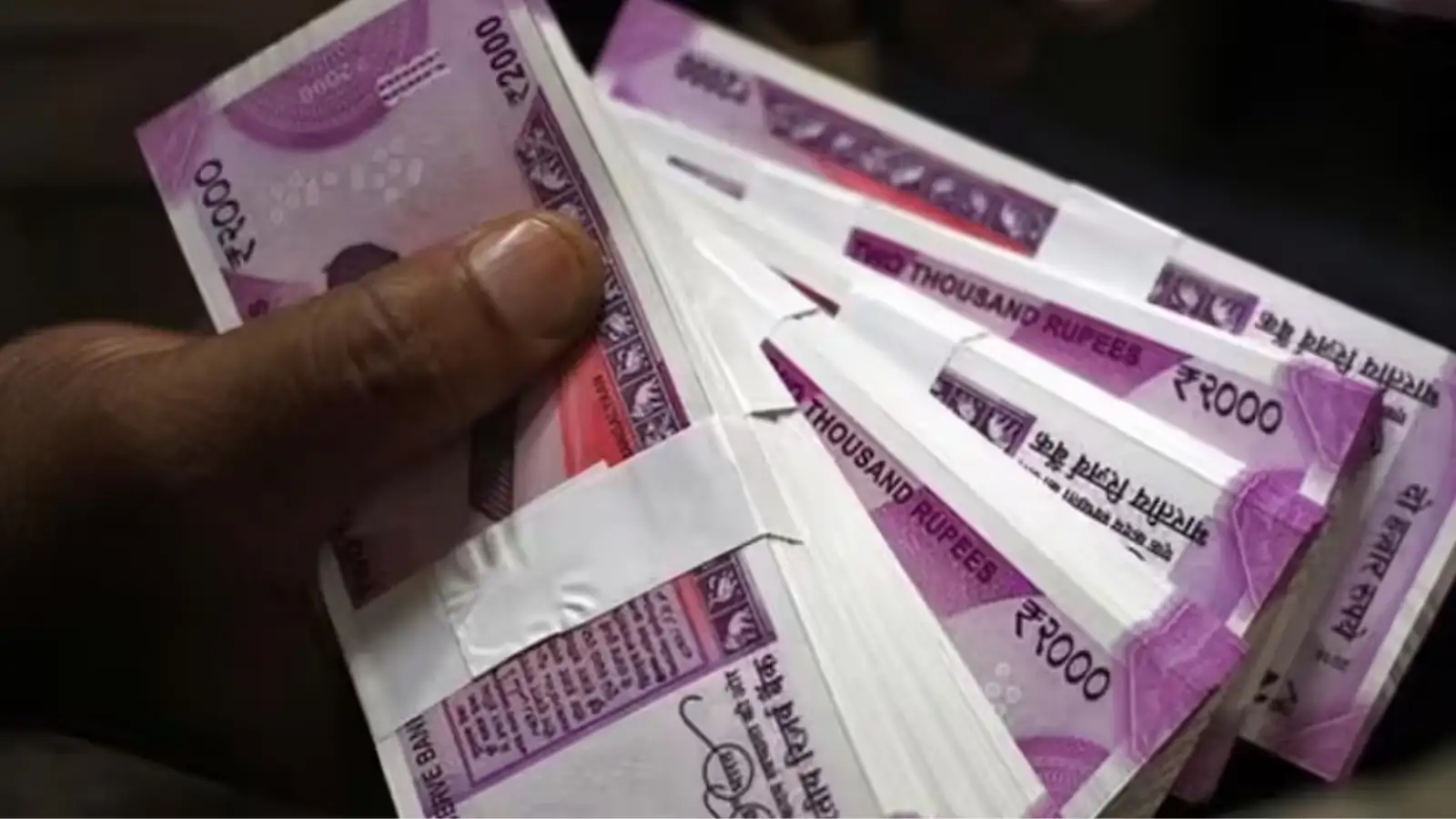
The move comes at a time when currency in circulation continues to grow despite the rapid expansion of digital payments in India. Sources familiar with the matter revealed that discussions regarding polymer or plastic banknotes were held during the RBI board meetings in Patna and Mumbai.
Why RBI Is Considering Polymer Banknotes
The decision to revisit polymer currency notes is largely driven by two major factors — lower production costs and longer lifespan of the notes.
According to officials aware of the development, polymer-based notes can survive significantly longer than traditional paper notes, reducing the frequency of replacement and cutting overall printing expenses.
“There are clear advantages in the cost of production of such notes compared to the paper notes currently being used. Moreover, automated teller machines (ATMs) would be enabled to dispense polymer-based notes. We have the wherewithal to do this now,” said one of the sources familiar with the board’s deliberations.
The RBI’s annual report for FY25 highlighted the growing burden of currency printing costs. The expenditure on securely printing paper banknotes rose sharply to ₹6,372.8 crore in FY25 compared to ₹5,101.4 crore in the previous financial year.
Soiled Currency Notes Becoming a Bigger Problem
Another key reason behind the shift towards plastic currency notes is the increasing number of damaged and soiled banknotes being discarded every year.
Data revealed that nearly 23.8 billion soiled banknotes were disposed of during FY25, marking a rise of 12.3 per cent compared to the previous year. The highest number of damaged notes belonged to the ₹500 denomination, followed by ₹100 notes.
Since polymer notes are more resistant to moisture, dirt, and wear and tear, the RBI believes they can significantly reduce replacement requirements and improve currency management efficiency.
Currency in Circulation Continues to Rise
Even with India’s booming digital payment ecosystem, the demand for physical cash remains strong. Currency in circulation (CiC) climbed 11.5 per cent year-on-year to reach a record ₹42.86 trillion as of May 15.
In just the first one-and-a-half months of FY27, the total currency circulation expanded by ₹1.15 trillion, indicating that cash usage continues to remain relevant for millions of Indians.
Officials also pointed out that lower denomination notes such as ₹10 and ₹20 continue to witness strong public demand, although their share in the overall value of currency circulation remains limited.
RBI’s Push for Coins Has Not Delivered Expected Results
The central bank had earlier encouraged wider use of coins to reduce dependence on lower denomination notes. However, the effort did not generate the desired public response.
The total supply of coins increased from around 1.2 billion in FY24 to 1.5 billion in FY25. Among these, ₹5 coins formed the largest share with nearly 800 million pieces, followed by around 400 million ₹20 coins.
Despite increased production, consumers and businesses still appear to prefer paper currency for smaller transactions, leading to sustained demand for low-value notes.
India Had Earlier Planned Plastic Notes in 2012
Interestingly, the idea of introducing plastic banknotes in India is not new. Back in 2012, the government had proposed a field trial involving one billion ₹10 polymer banknotes across five cities.
At the time, the United Progressive Alliance (UPA) government clarified that the main objective behind plastic notes was to improve durability and extend note lifespan rather than combat counterfeiting.
However, the initiative was eventually shelved due to technological limitations and challenges related to ATM compatibility.
Now, over a decade later, RBI sources believe those challenges have largely been resolved, making the transition to polymer notes far more practical.
Many Countries Already Use Polymer Currency Notes
India is not alone in exploring plastic banknotes. More than 60 countries around the world have already adopted polymer currency for regular circulation.
Australia became the first nation to introduce polymer banknotes in 1988 with its ten-dollar note. Several Asian nations including Singapore, Indonesia, Thailand, and Malaysia later followed the trend.
Romania became the first European country to introduce plastic currency notes in 1998, while Canada adopted polymer banknotes in 2011. Meanwhile, US dollar notes continue to be printed using a specialised cotton-linen blend material.
Pilot Project for Plastic Notes May Be Announced Soon
Sources suggest that the RBI may soon announce a pilot project to test polymer banknotes for public circulation. If the trial proves successful, India could gradually move towards wider adoption of plastic currency notes in the coming years.
Such a move could modernise the country’s currency management system, reduce operational costs, and improve the overall durability of Indian banknotes .
The move comes at a time when currency in circulation continues to grow despite the rapid expansion of digital payments in India. Sources familiar with the matter revealed that discussions regarding polymer or plastic banknotes were held during the RBI board meetings in Patna and Mumbai.
Why RBI Is Considering Polymer Banknotes
The decision to revisit polymer currency notes is largely driven by two major factors — lower production costs and longer lifespan of the notes.
According to officials aware of the development, polymer-based notes can survive significantly longer than traditional paper notes, reducing the frequency of replacement and cutting overall printing expenses.
“There are clear advantages in the cost of production of such notes compared to the paper notes currently being used. Moreover, automated teller machines (ATMs) would be enabled to dispense polymer-based notes. We have the wherewithal to do this now,” said one of the sources familiar with the board’s deliberations.
The RBI’s annual report for FY25 highlighted the growing burden of currency printing costs. The expenditure on securely printing paper banknotes rose sharply to ₹6,372.8 crore in FY25 compared to ₹5,101.4 crore in the previous financial year.
Soiled Currency Notes Becoming a Bigger Problem
Another key reason behind the shift towards plastic currency notes is the increasing number of damaged and soiled banknotes being discarded every year.
Data revealed that nearly 23.8 billion soiled banknotes were disposed of during FY25, marking a rise of 12.3 per cent compared to the previous year. The highest number of damaged notes belonged to the ₹500 denomination, followed by ₹100 notes.
Since polymer notes are more resistant to moisture, dirt, and wear and tear, the RBI believes they can significantly reduce replacement requirements and improve currency management efficiency.
Currency in Circulation Continues to Rise
Even with India’s booming digital payment ecosystem, the demand for physical cash remains strong. Currency in circulation (CiC) climbed 11.5 per cent year-on-year to reach a record ₹42.86 trillion as of May 15.
In just the first one-and-a-half months of FY27, the total currency circulation expanded by ₹1.15 trillion, indicating that cash usage continues to remain relevant for millions of Indians.
Officials also pointed out that lower denomination notes such as ₹10 and ₹20 continue to witness strong public demand, although their share in the overall value of currency circulation remains limited.
RBI’s Push for Coins Has Not Delivered Expected Results
The central bank had earlier encouraged wider use of coins to reduce dependence on lower denomination notes. However, the effort did not generate the desired public response.
The total supply of coins increased from around 1.2 billion in FY24 to 1.5 billion in FY25. Among these, ₹5 coins formed the largest share with nearly 800 million pieces, followed by around 400 million ₹20 coins.
Despite increased production, consumers and businesses still appear to prefer paper currency for smaller transactions, leading to sustained demand for low-value notes.
India Had Earlier Planned Plastic Notes in 2012
Interestingly, the idea of introducing plastic banknotes in India is not new. Back in 2012, the government had proposed a field trial involving one billion ₹10 polymer banknotes across five cities.
At the time, the United Progressive Alliance (UPA) government clarified that the main objective behind plastic notes was to improve durability and extend note lifespan rather than combat counterfeiting.
However, the initiative was eventually shelved due to technological limitations and challenges related to ATM compatibility.
Now, over a decade later, RBI sources believe those challenges have largely been resolved, making the transition to polymer notes far more practical.
Many Countries Already Use Polymer Currency Notes
India is not alone in exploring plastic banknotes. More than 60 countries around the world have already adopted polymer currency for regular circulation.
Australia became the first nation to introduce polymer banknotes in 1988 with its ten-dollar note. Several Asian nations including Singapore, Indonesia, Thailand, and Malaysia later followed the trend.
Romania became the first European country to introduce plastic currency notes in 1998, while Canada adopted polymer banknotes in 2011. Meanwhile, US dollar notes continue to be printed using a specialised cotton-linen blend material.
Pilot Project for Plastic Notes May Be Announced Soon
Sources suggest that the RBI may soon announce a pilot project to test polymer banknotes for public circulation. If the trial proves successful, India could gradually move towards wider adoption of plastic currency notes in the coming years.
Such a move could modernise the country’s currency management system, reduce operational costs, and improve the overall durability of Indian banknotes .
Next Story