
PM Surya Ghar Muft Bijli Yojana: How to Get Free Electricity at Home

Rising electricity bills are putting pressure on household budgets across the country. For many families, monthly power expenses have become a major concern. To ease this burden and promote clean energy, the government has introduced the PM Surya Ghar Muft Bijli Yojana .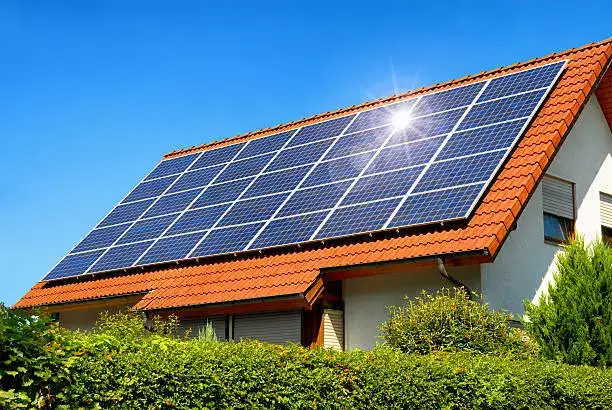
The goal of this scheme is simple and powerful. Help households generate their own electricity by installing rooftop solar panels and reduce their power bills, even to zero in some cases. The government aims to connect 10 million homes to solar energy, enabling families not only to save money but also to earn by supplying surplus power back to the grid.
With simplified rules and an easier application process in 2026, the scheme has become more accessible for middle-class families.
How the ₹78,000 Subsidy Works
One of the biggest attractions of the scheme is its transparent and generous subsidy structure. A large portion of the installation cost is covered by the government and transferred directly to your bank account through Direct Benefit Transfer.
If you install a 3 kilowatt rooftop solar system, here is how the subsidy is calculated:
This means a total subsidy of ₹78,000 for a 3 kilowatt system. This significantly reduces the upfront investment required to install solar panels at home.
For a typical middle-class household, a 3 kilowatt system is often sufficient to meet regular electricity needs, helping cut monthly bills drastically.
Who Can Apply?
The scheme is meant strictly for residential properties. Commercial establishments are not eligible for this subsidy. Applicants must have a suitable rooftop space for installing solar panels.
It is also important that the electricity connection and rooftop ownership details are clear and verifiable. Following the eligibility rules carefully ensures smooth approval.
The goal of this scheme is simple and powerful. Help households generate their own electricity by installing rooftop solar panels and reduce their power bills, even to zero in some cases. The government aims to connect 10 million homes to solar energy, enabling families not only to save money but also to earn by supplying surplus power back to the grid.
With simplified rules and an easier application process in 2026, the scheme has become more accessible for middle-class families.
How the ₹78,000 Subsidy Works
One of the biggest attractions of the scheme is its transparent and generous subsidy structure. A large portion of the installation cost is covered by the government and transferred directly to your bank account through Direct Benefit Transfer. If you install a 3 kilowatt rooftop solar system, here is how the subsidy is calculated:
- ₹30,000 per kilowatt for the first 2 kilowatts, which totals ₹60,000
- An additional ₹18,000 for the third kilowatt
This means a total subsidy of ₹78,000 for a 3 kilowatt system. This significantly reduces the upfront investment required to install solar panels at home.
For a typical middle-class household, a 3 kilowatt system is often sufficient to meet regular electricity needs, helping cut monthly bills drastically.
Who Can Apply?
The scheme is meant strictly for residential properties. Commercial establishments are not eligible for this subsidy. Applicants must have a suitable rooftop space for installing solar panels. It is also important that the electricity connection and rooftop ownership details are clear and verifiable. Following the eligibility rules carefully ensures smooth approval.
Next Story