
RBI Keeps Repo Rate Unchanged at 5.25%, Inflation and Iran-US War Remain Key Risks

All eyes are on the Reserve Bank of India (RBI) as the Monetary Policy Committee (MPC) announces its latest policy decision. Investors, businesses and borrowers have been closely watching the RBI's stance on interest rates amid growing inflation concerns , the ongoing Iran-US war conflict, and continued pressure on the Indian rupee .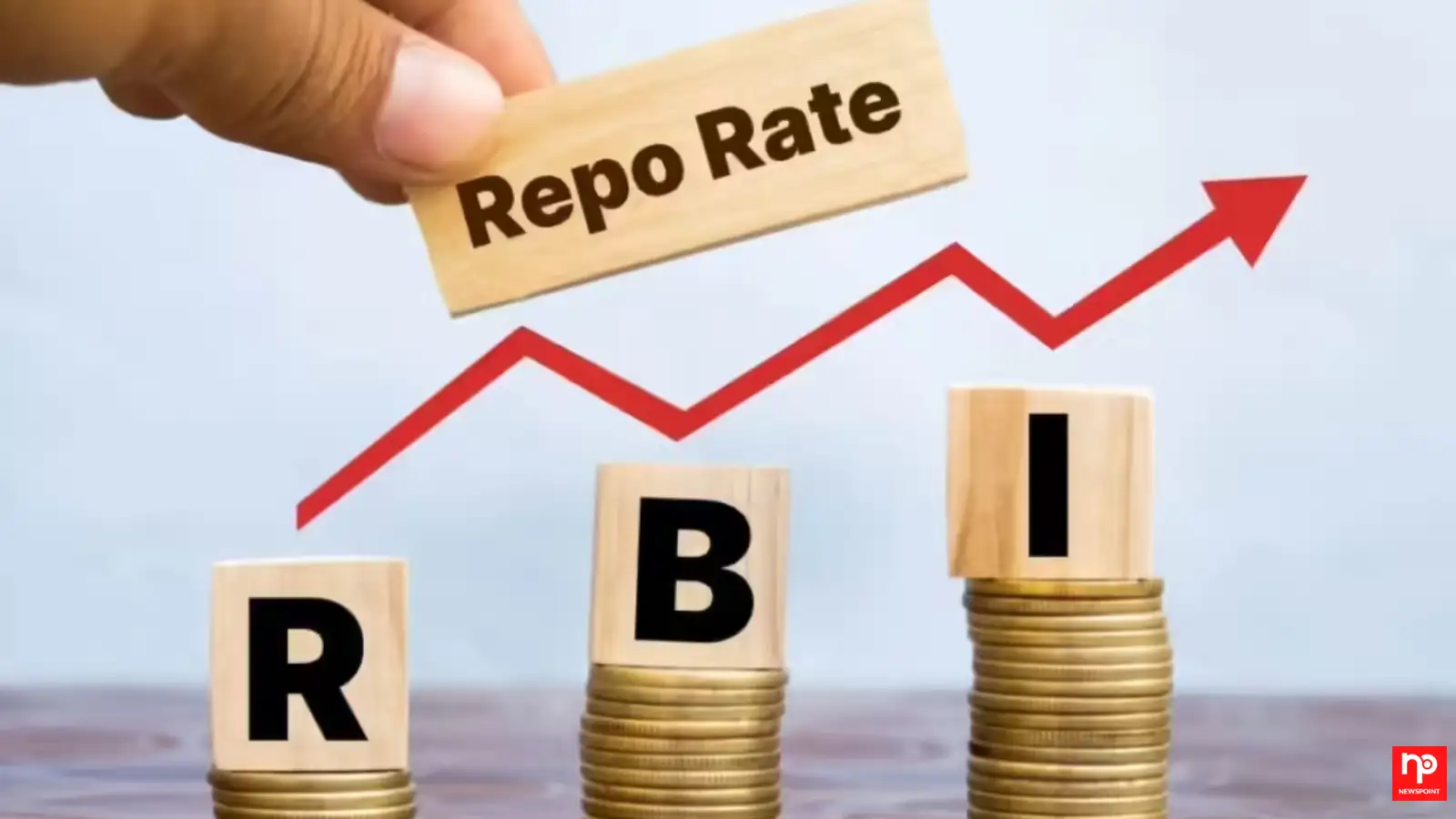
The RBI repo rate decision was widely anticipated by market participants, as policymakers continue to balance economic growth concerns with rising inflationary pressures. The central bank's neutral stance signals a cautious approach as global and domestic uncertainties persist.
Along with inflation concerns, the weakening Indian rupee remains a major issue for policymakers. Currency volatility can impact imports, fuel prices and overall economic stability, making the RBI's policy decisions even more significant.
The sharp decline in the rupee has added to concerns about imported inflation and external sector risks. As a result, market participants have been closely monitoring the RBI's response to evolving economic conditions.
The RBI had chosen to adopt a wait-and-watch approach at that time, citing uncertainties surrounding global developments and their potential impact on the Indian economy.
These cumulative rate cuts were aimed at supporting economic growth and improving liquidity conditions while ensuring inflation remains within manageable levels.
The GDP figures will be published using the new base year of 2022-23. GDP data serves as a key indicator of the country's overall macroeconomic health and provides valuable insights into growth trends across sectors of the economy.
RBI Keeps Repo Rate Unchanged at 5.25%
RBI Governor Sanjay Malhotra , in his speech, announced that the June MPC unanimously decided to keep the repo rate unchanged at 5.25 per cent, while maintaining a ‘neutral’ stance amid the challenging times.The RBI repo rate decision was widely anticipated by market participants, as policymakers continue to balance economic growth concerns with rising inflationary pressures. The central bank's neutral stance signals a cautious approach as global and domestic uncertainties persist.
Inflation and Iran-US War Remain Key Concerns
The RBI's monetary policy decision comes at a time when inflationary pressure is building due to the ongoing Iran-US war conflict. Rising geopolitical tensions have increased uncertainty in global markets, making inflation management a critical challenge for central banks worldwide.Along with inflation concerns, the weakening Indian rupee remains a major issue for policymakers. Currency volatility can impact imports, fuel prices and overall economic stability, making the RBI's policy decisions even more significant.
Indian Rupee Hits Record Low
The Indian rupee is currently the most undervalued currency in Asia in 2026. The currency fell more than 7 per cent and touched a record low of 96.96 against the US dollar in mid-May.The sharp decline in the rupee has added to concerns about imported inflation and external sector risks. As a result, market participants have been closely monitoring the RBI's response to evolving economic conditions.
April MPC Meeting Also Maintained Status Quo
In the previous MPC meeting held in April 2026, the committee decided to keep the repo rate unchanged at 5.25 per cent with a neutral stance. That meeting was particularly significant as it was the first policy review conducted after the Iran-US war began in late February 2026.The RBI had chosen to adopt a wait-and-watch approach at that time, citing uncertainties surrounding global developments and their potential impact on the Indian economy.
RBI Has Cut Repo Rate by 125 Basis Points Since February 2025
Although the central bank has kept interest rates unchanged in recent meetings, it has already reduced the repo rate by 125 basis points since February 2025, bringing it down to the current level of 5.25 per cent.These cumulative rate cuts were aimed at supporting economic growth and improving liquidity conditions while ensuring inflation remains within manageable levels.
Q4 FY26 GDP Data Also in Spotlight
Apart from the RBI monetary policy announcement, investors and economists are also keeping a close watch on India's Q4 FY26 GDP data, which is scheduled to be released by the government at 4:00 PM today.The GDP figures will be published using the new base year of 2022-23. GDP data serves as a key indicator of the country's overall macroeconomic health and provides valuable insights into growth trends across sectors of the economy.
RBI MPC 2026: Where To Watch
The announcement will be streamed live across multiple platforms, including the RBI’s official YouTube channel, its X (formerly Twitter) handle, and the official RBI website.Next Story