
RBI Plastic Notes: What India’s New Polymer Currency Could Look Like

RBI plastic notes could soon become a reality in India as the Reserve Bank of India explores the use of durable polymer material for banknotes. The proposed move is aimed at making currency more durable, secure and resistant to everyday wear and tear. The initial plan reportedly focuses on introducing ₹10 and ₹20 notes printed on polymer.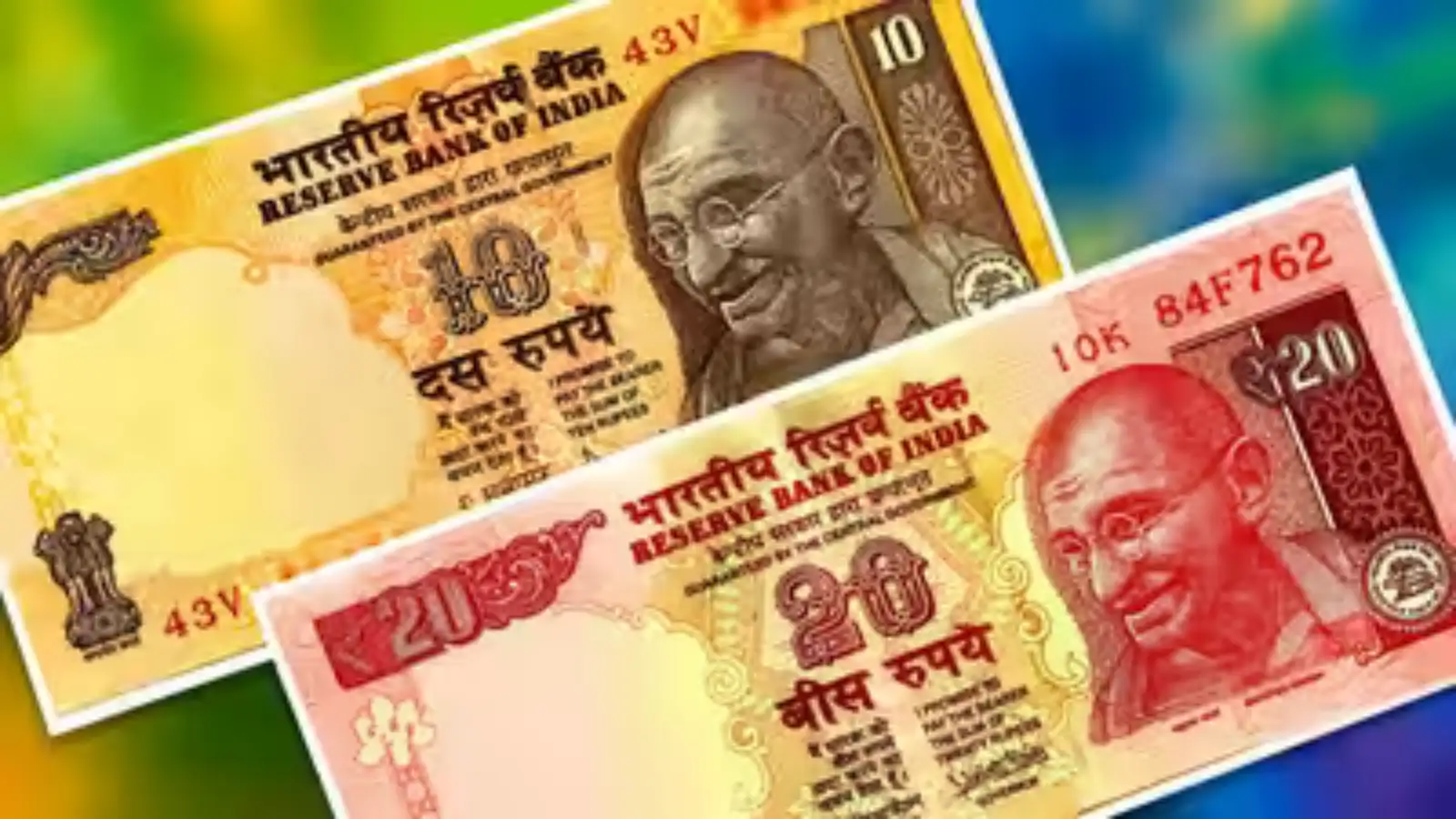
The Reserve Bank of India is considering the proposal as part of efforts to improve the durability and security of physical currency. The project is currently at the tender and testing stage, meaning the final design and appearance of the notes have not yet been officially confirmed.
The initial requirement is understood to be around 68,000 reams of polymer sheets, with each ream containing 500 sheets. Companies participating in the process will also need to submit samples for testing under different climatic conditions across India.
This testing is particularly important because Indian currency is used in extremely varied environments, from humid coastal regions to dry and hot areas.
However, the introduction of polymer notes does not mean that all existing paper currency will immediately be replaced. Any broader rollout would depend on testing results, procurement decisions and the RBI's final policy.
At present, there is no officially announced final design for India's proposed polymer notes. The denominations could retain familiar visual elements and security features associated with Indian currency while using a transparent or semi-transparent polymer substrate.
Polymer banknotes in other countries commonly feature transparent windows and specialised security elements. These features can make the notes visually distinctive while adding another layer of protection against counterfeiting.
Therefore, images circulating online should not automatically be treated as the official design of India's future plastic currency.
Depending on usage and environmental conditions, polymer banknotes can last several times longer than paper-based currency.
The polymer sheets must also meet material requirements, including a condition that they do not contain animal fat.
Before a supplier can be selected for the final order, its material is expected to undergo testing to determine whether it can withstand India's diverse climatic conditions.
Even if polymer notes are introduced, existing paper currency would not necessarily disappear overnight. A transition to polymer currency, if approved, would likely happen gradually depending on the RBI's assessment of durability, security, manufacturing costs and operational requirements.
The results of these evaluations, along with security requirements, manufacturing considerations and costs, will play an important role in determining whether polymer banknotes move from the testing stage to wider circulation.
For now, RBI plastic notes remain a proposal under evaluation rather than a confirmed replacement for India's existing currency. If the project progresses, ₹10 and ₹20 polymer notes could become the first step towards a more durable form of physical money in India.
What Are RBI Plastic Notes?
RBI plastic notes are banknotes made from a special polymer substrate instead of the traditional paper-based material used for Indian currency. Polymer notes are designed to withstand moisture, dust and repeated handling better than conventional banknotes.The Reserve Bank of India is considering the proposal as part of efforts to improve the durability and security of physical currency. The project is currently at the tender and testing stage, meaning the final design and appearance of the notes have not yet been officially confirmed.
India’s Polymer Note Plan: What We Know
The Bank Note Paper Mill India and other currency-related entities are involved in the process of evaluating polymer substrates for banknote production. Bharat Bank Note Mudran Private Limited (BRBNMPL), a wholly owned subsidiary of the RBI, has invited bids for polymer sheets.The initial requirement is understood to be around 68,000 reams of polymer sheets, with each ream containing 500 sheets. Companies participating in the process will also need to submit samples for testing under different climatic conditions across India.
This testing is particularly important because Indian currency is used in extremely varied environments, from humid coastal regions to dry and hot areas.
Which Denominations Could Get Plastic Notes First?
The initial phase is focused on ₹10 and ₹20 denominations. If the polymer currency performs well during testing and evaluation, the technology could potentially be considered for wider use in the future.However, the introduction of polymer notes does not mean that all existing paper currency will immediately be replaced. Any broader rollout would depend on testing results, procurement decisions and the RBI's final policy.
What Will RBI Plastic Notes Look Like?
One of the biggest questions surrounding the proposal is what the new notes will actually look like.At present, there is no officially announced final design for India's proposed polymer notes. The denominations could retain familiar visual elements and security features associated with Indian currency while using a transparent or semi-transparent polymer substrate.
Polymer banknotes in other countries commonly feature transparent windows and specialised security elements. These features can make the notes visually distinctive while adding another layer of protection against counterfeiting.
Therefore, images circulating online should not automatically be treated as the official design of India's future plastic currency.
Which Companies Are Bidding for the Polymer Note Project?
Multiple international and Indian-linked companies have shown interest in supplying polymer substrates and related technology for the project.Cosmo First and De La Rue
Indian company Cosmo First has partnered with UK-based De La Rue, a major supplier of banknote-related products and security solutions. The partnership is aimed at providing polymer substrate technology and security features.CCL Secure
Australia-based CCL Secure specialises in polymer banknote solutions and has supplied products to central banks in several countries. The company promotes polymer currency as a more durable alternative to conventional cotton-based banknotes.Q&T Hi-Tech Polymer
Vietnamese company Q&T Hi-Tech Polymer has also submitted a bid for the Indian requirement. The company has experience with polymer substrates and has highlighted the potential cost advantages of polymer currency over traditional cotton-based notes.Why Is India Considering Plastic Currency?
There are several reasons why polymer banknotes are attracting attention.1. Longer Lifespan
Polymer notes are considerably more resistant to physical damage than conventional paper notes. They can withstand frequent handling and are less vulnerable to tearing, moisture and general wear.Depending on usage and environmental conditions, polymer banknotes can last several times longer than paper-based currency.
2. Better Resistance to Water and Dust
Unlike ordinary paper notes, polymer currency is resistant to water and moisture. This could be particularly useful in India, where currency regularly comes into contact with humidity, rain, sweat and other sources of moisture.3. Stronger Anti-Counterfeit Protection
Polymer banknotes can incorporate advanced security features, including transparent windows and specialised optical elements. These features can make reproducing counterfeit notes more difficult.4. Potentially More Hygienic
Because polymer surfaces are less absorbent than traditional paper, polymer notes may be easier to clean and less likely to retain dirt and moisture. This is another potential advantage in a country where cash continues to be widely used.What Conditions Have Been Set for the Project?
The proposed procurement process includes several requirements for participating companies. Among other conditions, suppliers must meet specified restrictions relating to their supply chains and geographical connections.The polymer sheets must also meet material requirements, including a condition that they do not contain animal fat.
You may also like
- India and Israel Urged to Build Cognitive Warfare Innovation Ecosystem
- Pune VIDEO: 'Call Your Commissioner!' Drunk Driver Takes On Pimpri-Chinchwad Police After Accident Near Hinjawadi
- Gross GST Collections Rise 15% To ₹2 Lakh Crore In August, Tax Revenues Record Strong Year-on-Year Growth
- Juhu Airport Security Breach: 27-Year-Old Arrested For Allegedly Trespassing Into Restricted Pawan Hans Premises
- GDP growth reflection of nation's economic resilience, confidence: Pawan Kalyan
Before a supplier can be selected for the final order, its material is expected to undergo testing to determine whether it can withstand India's diverse climatic conditions.
Will Plastic Notes Replace Existing Indian Currency?
Not immediately. The proposal is currently centred on evaluating polymer substrates for selected denominations.Even if polymer notes are introduced, existing paper currency would not necessarily disappear overnight. A transition to polymer currency, if approved, would likely happen gradually depending on the RBI's assessment of durability, security, manufacturing costs and operational requirements.
RBI Plastic Notes: What Happens Next?
The next major step is testing the polymer sheets supplied by eligible bidders. Samples will need to demonstrate that they can perform reliably under India's different climatic conditions.The results of these evaluations, along with security requirements, manufacturing considerations and costs, will play an important role in determining whether polymer banknotes move from the testing stage to wider circulation.
For now, RBI plastic notes remain a proposal under evaluation rather than a confirmed replacement for India's existing currency. If the project progresses, ₹10 and ₹20 polymer notes could become the first step towards a more durable form of physical money in India.






Loving Newspoint? Download the app now
