
Soil Health Card Scheme: How the Government Helps Farmers Improve Soil Health

The Soil Health Card Scheme is a government initiative designed to help farmers understand the condition of their farmland and use fertilisers more effectively. The scheme provides details about essential nutrients in the soil and recommends suitable fertilisers and measures to improve soil health. It has been implemented across several states and Union Territories, including Uttar Pradesh.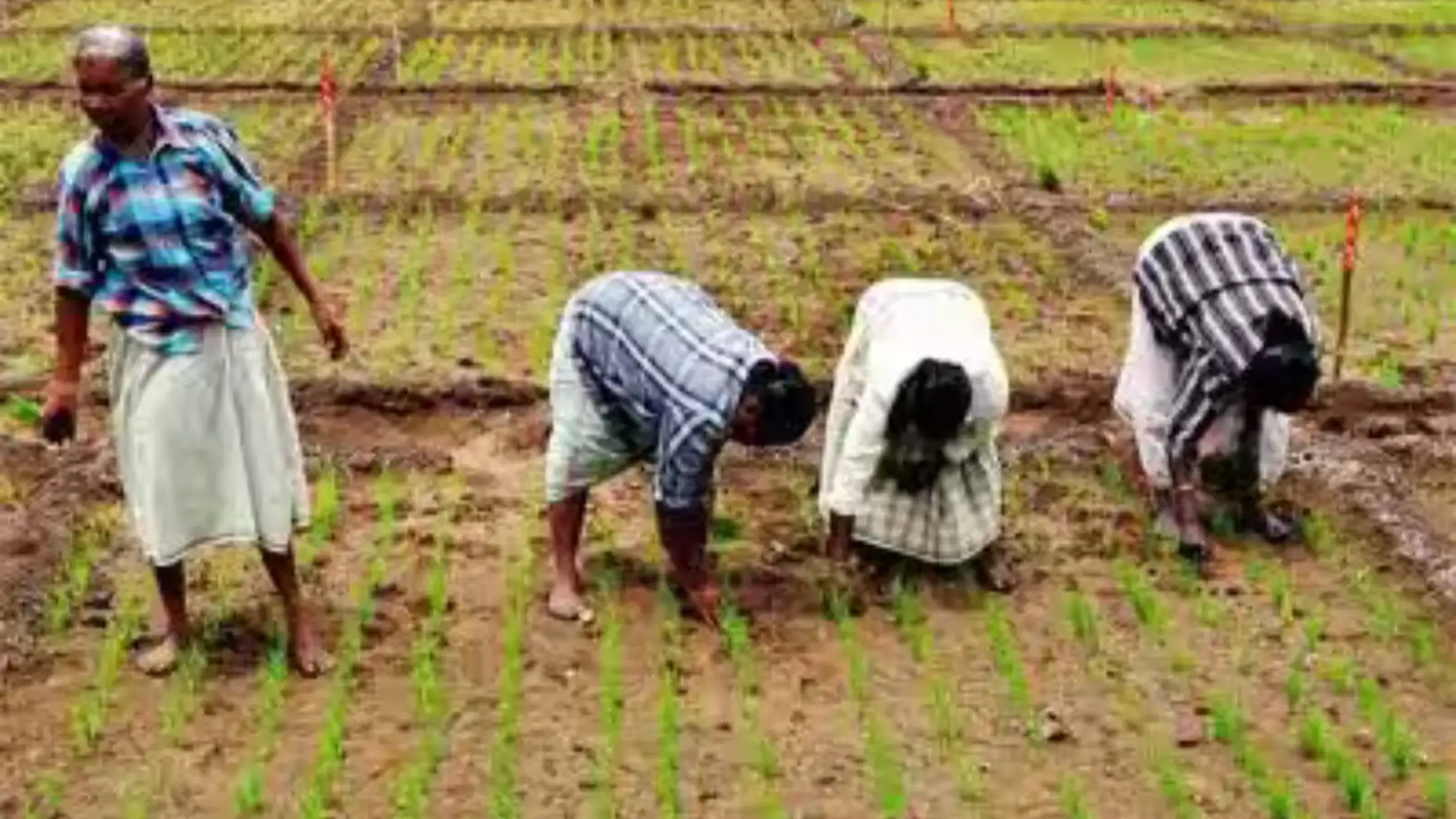
The card covers 12 key soil parameters, including:
Under the scheme, sampling grids cover around 2.5 hectares in irrigated areas and 10 hectares in rain-fed areas. This allows soil samples to be collected systematically across agricultural land.
Testing is carried out at government soil testing laboratories. Depending on the arrangements, samples may also be analysed by institutions such as ICAR institutes and state agricultural universities.
The Soil Health Card Scheme therefore encourages farmers to make fertiliser decisions based on soil-test results rather than applying nutrients without knowing the actual condition of the soil.
This approach supports balanced nutrient management and aims to promote more judicious use of fertilisers in agriculture.
This information can help farmers understand how the condition of their soil changes over time and adjust soil and fertiliser management practices accordingly.
The initiative focuses on soil testing, balanced nutrient management and appropriate fertiliser use, giving farmers useful information to manage their land according to its specific requirements.
What Is the Soil Health Card Scheme?
The Soil Health Card provides farmers with a detailed assessment of their soil based on laboratory testing. Instead of relying only on general fertiliser practices, farmers can use information about the nutrient status of their fields to make more informed decisions.The card covers 12 key soil parameters, including:
- pH
- Electrical conductivity
- Organic carbon
- Nitrogen
- Phosphorus
- Potassium
- Sulphur
- Zinc
- Copper
- Iron
- Boron
- Manganese
How Is Soil Tested Under the Scheme?
Soil samples are generally collected from a depth of around 15 to 20 centimetres. Samples from different parts of a field are collected and mixed before being sent for laboratory analysis.Under the scheme, sampling grids cover around 2.5 hectares in irrigated areas and 10 hectares in rain-fed areas. This allows soil samples to be collected systematically across agricultural land.
Testing is carried out at government soil testing laboratories. Depending on the arrangements, samples may also be analysed by institutions such as ICAR institutes and state agricultural universities.
Why Is Soil Health Testing Important?
The nutrient requirements of every field may not be the same. Soil testing helps farmers understand which nutrients are present and where additional inputs may be needed.The Soil Health Card Scheme therefore encourages farmers to make fertiliser decisions based on soil-test results rather than applying nutrients without knowing the actual condition of the soil.
This approach supports balanced nutrient management and aims to promote more judicious use of fertilisers in agriculture.
How Often Is a Soil Health Card Issued?
A Soil Health Card is generally issued to a farmer once every three years. Periodic testing makes it possible to track changes in soil nutrient levels over different cycles.This information can help farmers understand how the condition of their soil changes over time and adjust soil and fertiliser management practices accordingly.
How Can Farmers Benefit From the Scheme?
The scheme gives farmers field-specific information that can support better soil management. Key benefits include:- Understanding the nutrient status of agricultural soil
- Getting recommendations for fertiliser use
- Supporting balanced application of nutrients
- Monitoring changes in soil health over time
- Making soil-management decisions based on testing
Soil Health Card Supports Better Farm Management
Healthy soil plays an important role in sustainable agricultural production. By providing information about soil nutrients and suitable input requirements, the Soil Health Card Scheme helps farmers make more informed decisions about their fields.The initiative focuses on soil testing, balanced nutrient management and appropriate fertiliser use, giving farmers useful information to manage their land according to its specific requirements.
Next Story