
TDS Vs TCS Explained: Key Differences Every Taxpayer Should Know Before Filing ITR

Keeping tax collection efficient and reducing the chances of tax evasion are among the key objectives of India's tax administration. To achieve this, the Income Tax Department has introduced advance tax collection mechanisms such as Tax Deducted at Source (TDS) and Tax Collected at Source (TCS). While both ensure taxes are collected before the final tax liability is determined, they operate differently. Understanding these systems can help salaried employees, professionals, investors and business owners manage their tax obligations more effectively and avoid unnecessary complications during Income Tax Return (ITR) filing.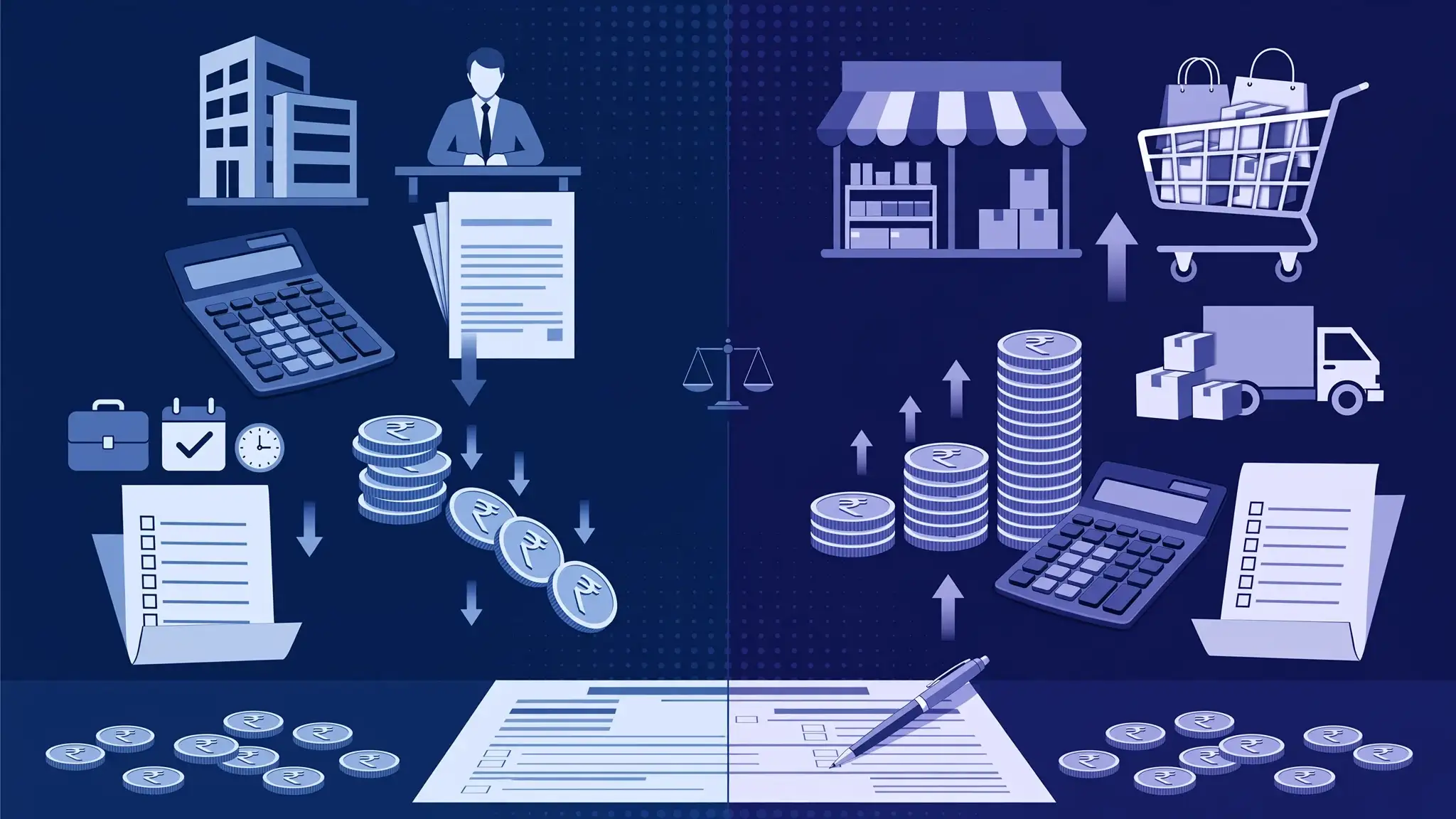
Although TDS and TCS are often mentioned together, they are designed for different situations. The distinction lies in who deducts or collects the tax, the nature of the transaction and the purpose behind the collection.
This mechanism commonly applies to several categories of income, including:
It enables the government to receive tax revenue throughout the financial year instead of waiting until annual returns are filed. It also helps maintain a transparent record of taxable income, making it easier for authorities to monitor compliance. According to experts, this system significantly reduces opportunities for under-reporting income.
TCS generally comes into effect in transactions identified under the Income-tax Act, such as:
According to tax professionals, it strengthens financial reporting, discourages tax evasion and ensures that taxes linked to significant purchases are collected in advance. Taxpayers can later claim credit for the amount collected while filing their Income Tax Return.
TCS, on the other hand, is collected when specified goods or services are sold.
For TCS, it is the seller who collects the tax from the buyer and deposits it with the government.
TCS mainly applies to notified purchases and transactions, including certain vehicles, overseas travel packages, foreign remittances and specified goods.
TCS focuses on recording specified purchases and high-value transactions while collecting tax in advance.
While filing an Income Tax Return, taxpayers can claim credit for both. If the combined amount of TDS and TCS exceeds the final tax liability calculated during the assessment, the excess amount may be refunded after the return is processed.
Maintaining an updated PAN with banks, employers and other relevant institutions is also essential, as incorrect or missing PAN details may result in higher tax deductions in situations specified under the Income-tax Act.
Those who make purchases attracting TCS should preserve relevant receipts and supporting documents. Finally, filing the Income Tax Return within the prescribed deadline is crucial for claiming tax credits and receiving any eligible refund without unnecessary delays.
Disclaimer: This content is for informational purposes only. Tax laws and their applicability may change over time. Taxpayers should consult a qualified tax professional or refer to the latest provisions under the Income-tax Act before making financial or tax-related decisions.
Image Courtesy: Meta AI
Why Advance Tax Collection Is Important
Rather than collecting taxes only after the end of a financial year, the government gathers a portion of tax as income is earned or specified transactions take place. According to tax experts, this approach creates a steady flow of revenue while improving compliance among taxpayers.Although TDS and TCS are often mentioned together, they are designed for different situations. The distinction lies in who deducts or collects the tax, the nature of the transaction and the purpose behind the collection.
What Is Tax Deducted At Source (TDS)?
TDS is a system under which tax is deducted before certain payments are made to an individual or organisation. The responsibility lies with the person or entity making the payment, who deducts the applicable amount and deposits it with the government on behalf of the recipient.This mechanism commonly applies to several categories of income, including:
- Salary
- Interest earned on eligible bank fixed deposits
- Rent
- Professional or consultancy fees
- Commission and other notified payments
Why TDS Plays A Crucial Role
TDS serves multiple purposes beyond simply collecting tax.It enables the government to receive tax revenue throughout the financial year instead of waiting until annual returns are filed. It also helps maintain a transparent record of taxable income, making it easier for authorities to monitor compliance. According to experts, this system significantly reduces opportunities for under-reporting income.
What Is Tax Collected At Source (TCS)?
Unlike TDS, TCS is collected by the seller from the buyer when specified goods or services are sold. After collecting the tax, the seller deposits it with the government.TCS generally comes into effect in transactions identified under the Income-tax Act, such as:
- Purchase of specified high-value motor vehicles
- Overseas tour packages
- Eligible foreign remittances under prescribed rules
- Sale of scrap and other notified goods
Why The Government Collects TCS
TCS allows authorities to keep track of high-value financial transactions that may otherwise go unnoticed.According to tax professionals, it strengthens financial reporting, discourages tax evasion and ensures that taxes linked to significant purchases are collected in advance. Taxpayers can later claim credit for the amount collected while filing their Income Tax Return.
TDS Vs TCS : The Major Differences
Although both systems contribute to advance tax collection, their functioning differs in several important ways.Timing
TDS is deducted at the time specified income or payments are made.TCS, on the other hand, is collected when specified goods or services are sold.
Who Is Responsible?
For TDS, the responsibility rests with the payer, who deducts the applicable tax before making the payment.For TCS, it is the seller who collects the tax from the buyer and deposits it with the government.
Transactions Covered
TDS generally covers earnings such as salary, interest, rent, commission and professional fees.You may also like
- Payday winners: India's salary hikes projected at 8.6%-10.2%; who gets the most?
- Rail accidents fall nearly 90 pc in a decade as govt improves safety measures: Govt
- Sensex jumps 889 points, Nifty reclaims 24,250 as IT, FMCG stocks rally
- Lower trading volumes could hit revenue: NSE in Rs 30,000-crore IPO papers
- Key financial changes from August 1, 2026: What you need to know
TCS mainly applies to notified purchases and transactions, including certain vehicles, overseas travel packages, foreign remittances and specified goods.
Objective
The primary purpose of TDS is to monitor taxable income and ensure timely tax collection from earnings.TCS focuses on recording specified purchases and high-value transactions while collecting tax in advance.
Can Taxpayers Claim Credit For TDS And TCS?
Yes. Both TDS and TCS are linked to a taxpayer's Permanent Account Number ( PAN ) and appear in tax records maintained by the Income Tax Department.While filing an Income Tax Return, taxpayers can claim credit for both. If the combined amount of TDS and TCS exceeds the final tax liability calculated during the assessment, the excess amount may be refunded after the return is processed.
Important Points To Remember Before Filing ITR
Taxpayers should ensure they collect Form 16 from employers or Form 16A wherever applicable. It is equally important to review Form 26AS and the Annual Information Statement ( AIS ) to verify that all TDS and TCS entries have been correctly recorded.Maintaining an updated PAN with banks, employers and other relevant institutions is also essential, as incorrect or missing PAN details may result in higher tax deductions in situations specified under the Income-tax Act.
Those who make purchases attracting TCS should preserve relevant receipts and supporting documents. Finally, filing the Income Tax Return within the prescribed deadline is crucial for claiming tax credits and receiving any eligible refund without unnecessary delays.
Disclaimer: This content is for informational purposes only. Tax laws and their applicability may change over time. Taxpayers should consult a qualified tax professional or refer to the latest provisions under the Income-tax Act before making financial or tax-related decisions.
Image Courtesy: Meta AI






Loving Newspoint? Download the app now
