
From Billboards to Reels: How Influencers Are Changing Indian Marketing

Traditional advertising in the Indian market took place through TV commercials, newspapers, and billboards. However the rise of social media platforms like Instagram, Youtube, and short videos has changed how brands connect with consumers. The influencers have become more popular and trustworthy due to the transparency of their life they show, brands use them as an opportunity to advertise their products. Now the influencers are not only entertainers but powerful voices shaping buying decisions.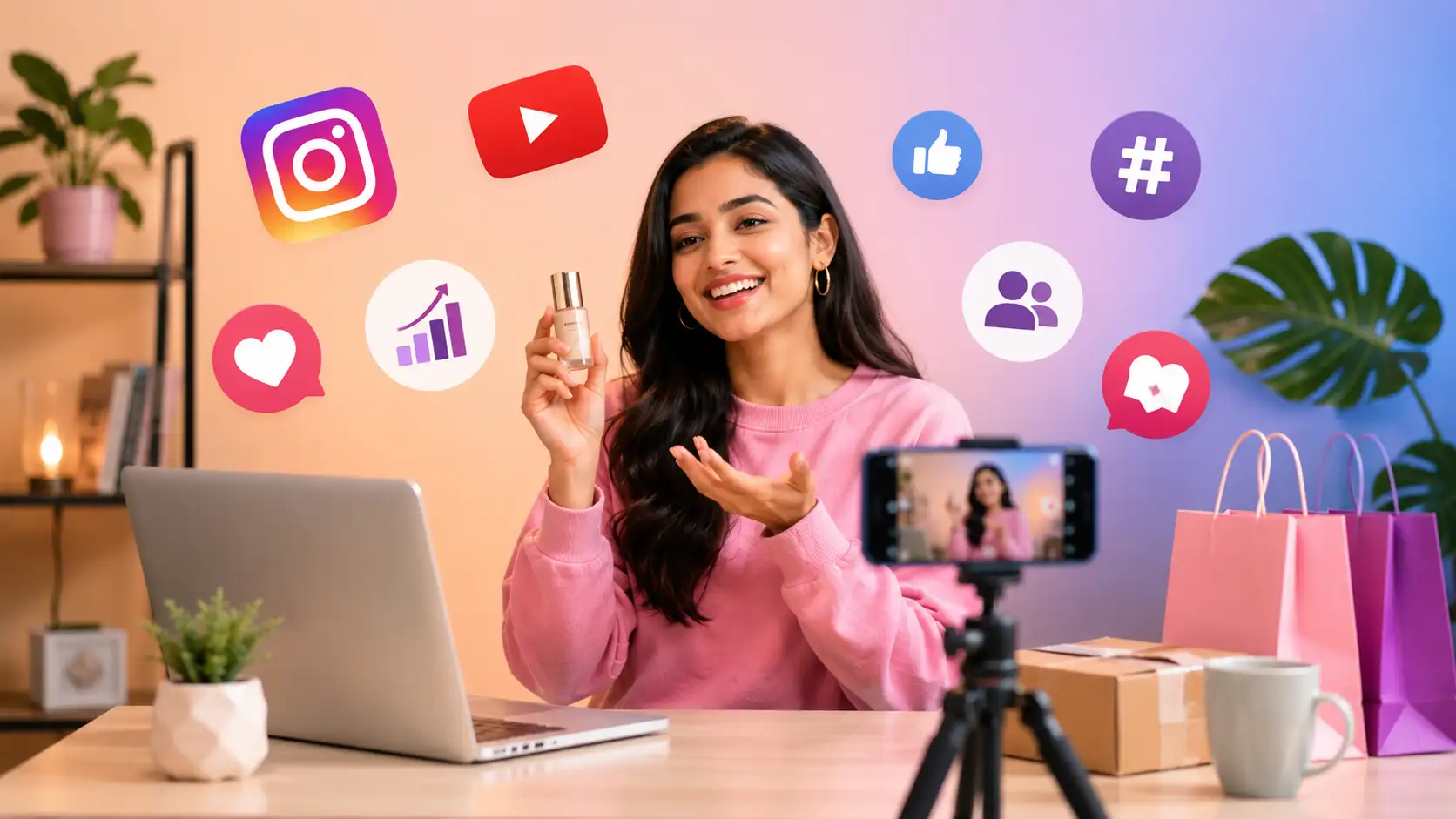
Also Read : Friendships in Your 20s: Why Everyone Feels Temporary Now
Influencer lead advertising is dominating Indian marketing because it combines technology, storytelling, and personal connections. Consumers today want recommendations they can relate to and influencers provide that bridge between brands and audience. The future of advertising in India is moving beyond simply showing products it is about creating conversations, communities and trust.
Shift from celebrity to relatable creators
Earlier the films and shows were very influential on the public and hence brands used them as a medium to promote their products. They are named as influencers as they create a more personal connection with the audience, consumers often trust influencers because they appear more relatable and accessible. A beauty creator reviewing skincare or tech influencer testing any gadget feels like a recommendation from a friend rather than a paid advertisement. This trust factor makes influencer campaigns more effective.Growth of Social Media Consumption In India
India has one of the world’s largest audiences, millions of users who daily watch reels, short videos, reviews and lifestyle content. Influencers have already established communities, allowing companies to reach specific groups based on age, interest, location and lifestyle. This targeted approach is more efficient than traditional mass advertising.Authenticity and Human Connection
Modern consumers, especially GenZ and millennials, prefer genuine experience over traditional promotional messages. Influencers integrate products naturally into their content,so making advertisements feels less forced. Personal stories, tutorials, reviews and daily life content create emotional connections. A fitness influencer sharing their workout routine with a sports brand and a fashion creator styling outfits from a clothing brand. These types of story telling influence purchase decisions.Also Read : Friendships in Your 20s: Why Everyone Feels Temporary Now
Cost Effective Marketing Strategy
The traditional advertisements often require high budgets for television slots, celebrity fees and production. Influencer's budget is decided according to different criterias depending on the brand itself. Small businesses and startups can collaborate without spending a lot of money. Brands also track performance through views, likes, comments, share, and conversations. This makes influencer marketing measurable and flexible.Impact on consumers buying behaviour
Influencers have become a part of decision making in all sorts of categories, beauty, fashion, food, travel, technology, fitness, lifestyle products. Product reviews, unboxing videos and recommendations influence consumers before they make a purchase. Many users also discover new brands through creators rather than traditional advertisements.Challenges of Influencer Advertising
While this idea is growing, it also faces challenges, fake followers and low engagement may not help the brand enough. Lack of transparency in paid promotion, where the influencer may not share the proper details to the brand. Over- commercialisation reduces trust, brands now focus on genuine creators with real audience connections rather than just follower numbers. Regulations around advertising disclosure are also becoming important.Influencer lead advertising is dominating Indian marketing because it combines technology, storytelling, and personal connections. Consumers today want recommendations they can relate to and influencers provide that bridge between brands and audience. The future of advertising in India is moving beyond simply showing products it is about creating conversations, communities and trust.






More from our partners


Loving Newspoint? Download the app now
