
This ₹50 Note Could Make You Lakhs or Even Crores Richer: Here's How to Sell It Online

Have you ever checked the serial number on the ₹50 note in your wallet? You might want to take a closer look, especially if it has the number 786 printed on it. The ₹50 note sell trend has gained attention online, with claims that certain currency notes featuring special serial numbers can fetch thousands or even lakhs of rupees. But is your old ₹50 note really worth a fortune? Who buys these notes, how can you sell them, and what precautions should you take? Here is everything you need to know before trying to cash in on a potentially rare currency note.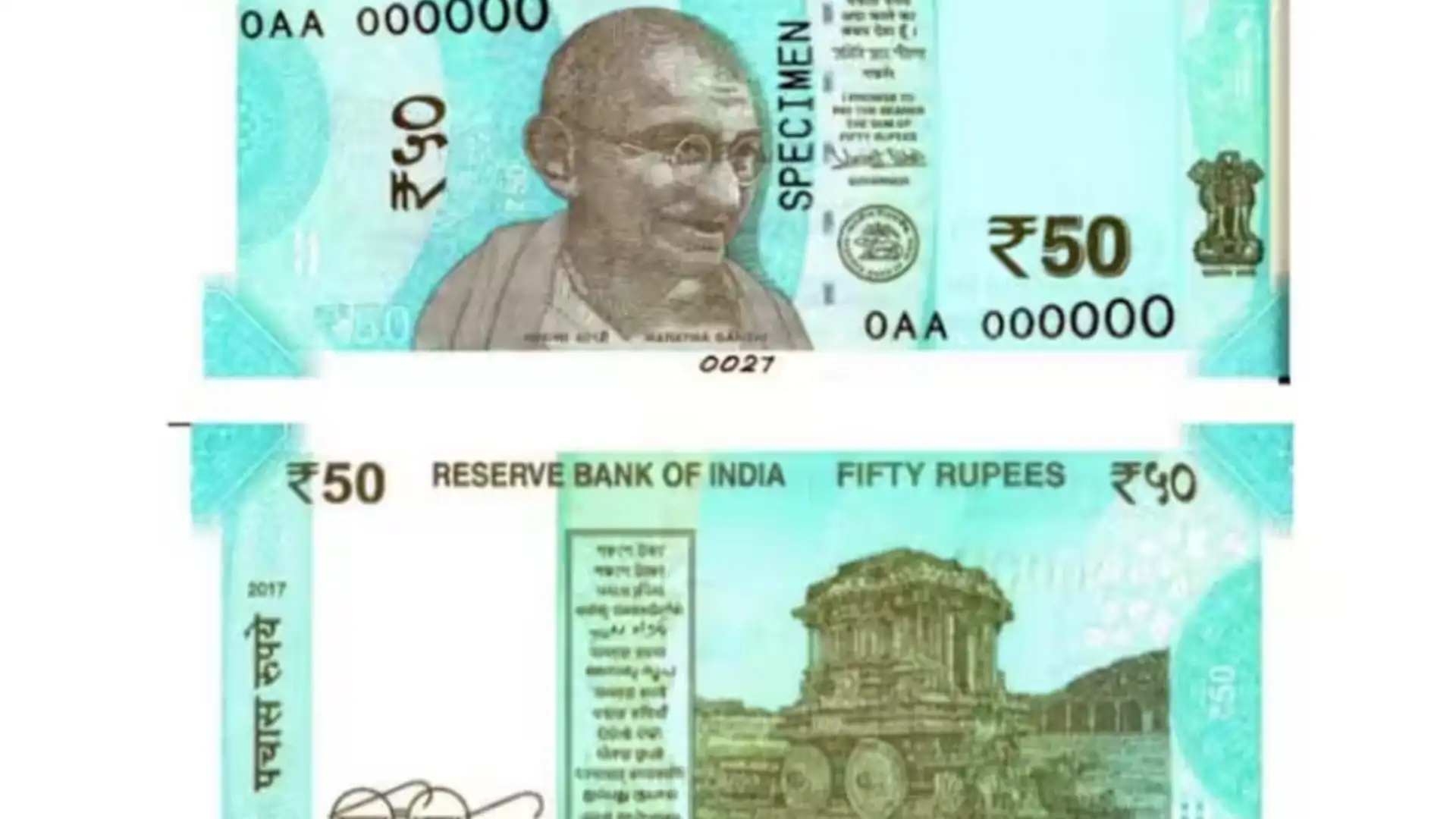
For some people, the number 786 holds religious and cultural significance and is considered auspicious. This has also made currency notes carrying this number interesting to certain collectors.
A ₹50 note featuring 786 in its serial number, along with Mahatma Gandhi's portrait on the front, may attract interest from people who collect unusual or special currency notes.
However, simply having 786 printed on your note does not mean it will automatically sell for lakhs. Its value depends on factors such as its condition, rarity, demand and whether a genuine buyer is willing to pay for it.
This is not true.
The RBI does not offer special payments for currency notes simply because they have unique serial numbers, historical significance or collector appeal. A ₹50 note remains worth its printed denomination when used as regular currency.
The buying and selling of collectible notes is a separate activity involving private collectors and dealers. Therefore, visiting a bank with a ₹50 note featuring the number 786 will not get you a special payment.
Some collectors may be interested in notes featuring 786, repeated digits or other distinctive serial number patterns.
Depending on the note and the buyer's interest, sellers may receive different offers. While online advertisements sometimes claim that such notes can fetch thousands or even lakhs of rupees, these amounts should not be treated as guaranteed market prices.
There is no fixed rate for a ₹50 note with a special serial number. You may receive a reasonable offer, a much lower amount or no offers at all.
Here are a few platforms where you can explore listing options:
Remember that an advertised price is not proof that someone has actually purchased a similar note for that amount. Always verify the buyer and the transaction before proceeding.
Notes with unusual serial number combinations, printing variations, distinctive patterns or historical significance can sometimes become interesting additions to a collection.
However, age alone does not make a currency note valuable. Its condition, rarity and demand among collectors play an important role in determining its potential worth.
If you have old currency notes at home, check their serial numbers and physical condition before exploring the collectors' market.
Scammers may contact sellers pretending to be buyers, agents or representatives of government authorities. They might promise a high payment but demand money first in the name of registration, processing charges, GST or an “RBI Permission Letter”.
Do not fall for such requests.
The RBI has clarified that it does not deal in the buying and selling of old banknotes and coins through individuals or companies. It also does not authorise any person or organisation to collect charges or commissions on its behalf for such transactions.
Keep these safety tips in mind:
Before putting your note up for sale, research the market, compare offers and understand the risks involved. Most importantly, never pay anyone an advance fee in the hope of receiving a huge amount later.
An unusual currency note can certainly be an interesting collectible, but it is not a guaranteed way to become a millionaire. If you happen to own one, take your time, verify potential buyers and make an informed decision before selling it.
Why Is the 786 Number So Special?
Not every ₹50 note has the same appeal among currency collectors. One particular feature that attracts attention is the serial number 786.For some people, the number 786 holds religious and cultural significance and is considered auspicious. This has also made currency notes carrying this number interesting to certain collectors.
A ₹50 note featuring 786 in its serial number, along with Mahatma Gandhi's portrait on the front, may attract interest from people who collect unusual or special currency notes.
However, simply having 786 printed on your note does not mean it will automatically sell for lakhs. Its value depends on factors such as its condition, rarity, demand and whether a genuine buyer is willing to pay for it.
Will RBI Pay Lakhs for Your ₹50 Note?
One of the biggest misconceptions surrounding old currency notes is that the Reserve Bank of India (RBI) purchases them at exceptionally high prices.This is not true.
The RBI does not offer special payments for currency notes simply because they have unique serial numbers, historical significance or collector appeal. A ₹50 note remains worth its printed denomination when used as regular currency.
The buying and selling of collectible notes is a separate activity involving private collectors and dealers. Therefore, visiting a bank with a ₹50 note featuring the number 786 will not get you a special payment.
Who Buys Rare ₹50 Notes and How Much Can You Earn?
The value of collectible currency is determined by demand in the private collectors' market. People interested in numismatics, the study and collection of coins and currency, sometimes look for notes with unusual serial numbers, printing errors or historical importance.Some collectors may be interested in notes featuring 786, repeated digits or other distinctive serial number patterns.
Depending on the note and the buyer's interest, sellers may receive different offers. While online advertisements sometimes claim that such notes can fetch thousands or even lakhs of rupees, these amounts should not be treated as guaranteed market prices.
There is no fixed rate for a ₹50 note with a special serial number. You may receive a reasonable offer, a much lower amount or no offers at all.
How to Sell a ₹50 Note Online?
If you own a ₹50 note with a distinctive serial number and want to explore its collector value, you can look for interested buyers through online marketplaces.Here are a few platforms where you can explore listing options:
- OLX: You can create a listing with clear photographs of the note, its serial number and condition to attract potential buyers.
- eBay: The platform offers access to buyers and collectors in different markets. Check its currency and collectibles listing policies before posting.
- Quikr: You can explore its classified listings to connect with people interested in collectible items.
Remember that an advertised price is not proof that someone has actually purchased a similar note for that amount. Always verify the buyer and the transaction before proceeding.
Do Old ₹10 and ₹20 Notes Also Have Collector Value?
The interest in collectible currency is not limited to ₹50 notes. Certain old ₹10 and ₹20 notes may also attract attention from currency enthusiasts.Notes with unusual serial number combinations, printing variations, distinctive patterns or historical significance can sometimes become interesting additions to a collection.
However, age alone does not make a currency note valuable. Its condition, rarity and demand among collectors play an important role in determining its potential worth.
If you have old currency notes at home, check their serial numbers and physical condition before exploring the collectors' market.
Beware of Online Scams While Selling Old Currency Notes
While the idea of earning a substantial amount from an old ₹50 note may sound exciting, sellers need to be extremely careful. Several fraudulent schemes target people who are looking to sell rare currency notes online.Scammers may contact sellers pretending to be buyers, agents or representatives of government authorities. They might promise a high payment but demand money first in the name of registration, processing charges, GST or an “RBI Permission Letter”.
Do not fall for such requests.
The RBI has clarified that it does not deal in the buying and selling of old banknotes and coins through individuals or companies. It also does not authorise any person or organisation to collect charges or commissions on its behalf for such transactions.
Keep these safety tips in mind:
- Never pay advance fees: Do not transfer money for registration, verification or processing charges to someone promising to purchase your note.
- Verify the buyer: Check the identity and credibility of anyone contacting you with an offer.
- Avoid sharing financial details: Never disclose your banking passwords, OTPs, PINs or other confidential information.
- Do not trust unrealistic offers: Be cautious if someone promises lakhs of rupees without even examining the note.
- Use secure payment methods: Make sure the payment is received and verified before handing over the currency note.
Is Your ₹50 Note Really Worth Lakhs?
A ₹50 note featuring the number 786 may attract the attention of currency collectors, but that does not make it a guaranteed source of income. The actual selling price depends on the note's rarity, condition and demand among genuine buyers.Before putting your note up for sale, research the market, compare offers and understand the risks involved. Most importantly, never pay anyone an advance fee in the hope of receiving a huge amount later.
An unusual currency note can certainly be an interesting collectible, but it is not a guaranteed way to become a millionaire. If you happen to own one, take your time, verify potential buyers and make an informed decision before selling it.
Next Story