
Vaibhav Sooryavanshi Has an Estimated Net Worth of ₹7 Crore at 15: How Does Income Tax Work for Minors?

Teen cricket sensation Vaibhav Sooryavanshi has created buzz for building an estimated net worth of around ₹7 Crores at the young age of 15 years old.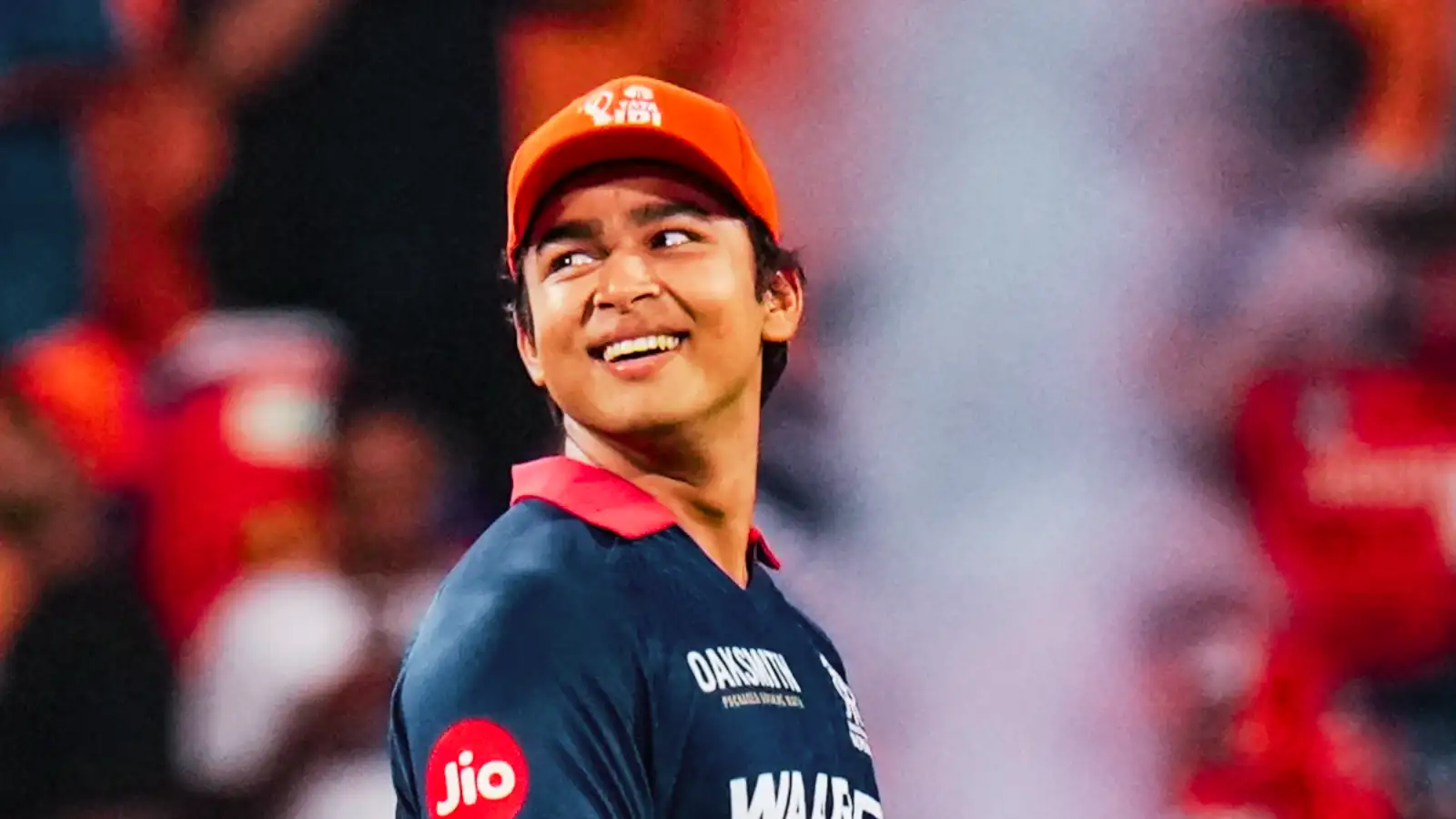
Under Indian income tax laws, the taxation of minors differs from that of adults. In most situations, a minor’s income is clubbed with the income of a parent. However, there are some exceptions.
Minors generally earn an income in the following ways:
If a minor's income is less than ₹1,500 in a financial year then the entire amount is exempt from income tax and in such a case the parent can claim an exemption of ₹1,500 for each minor child whose income is clubbed under section 10(32) of the income tax act but if the income tax exceeds ₹1,500 then only that amount can be exempted from tax.
Examples include income earned through:
According to experts, this exception exists because the earnings arise from the minor’s own efforts and abilities rather than from parental assets or investments.
Where the minor carries on a profession or business, ITR-3 is generally applicable, while ITR-4 may be used if the conditions for presumptive taxation are satisfied. The return is filed in the minor’s name through a parent or legal guardian acting as the representative assessee, the expert noted.
Since Vaibhav Sooryavanshi's earnings arise from his personal skills and talent as a cricketer, his income is not subject to the clubbing provisions and is taxable in his own hands.
Under Indian income tax laws, the taxation of minors differs from that of adults. In most situations, a minor’s income is clubbed with the income of a parent. However, there are some exceptions.
How Does Income Tax Work for Minors ?
Any individual below the age of 18 is considered a minor. According to Section 64(1A) of the Income Tax Act, a minor’s income is generally clubbed with the income of the parent who has the higher taxable income. The income is then taxed in the tax computation sheets of the parent.Minors generally earn an income in the following ways:
- Savings in a bank account or fixed deposits.
- Investments made in their name by the parents
If a minor's income is less than ₹1,500 in a financial year then the entire amount is exempt from income tax and in such a case the parent can claim an exemption of ₹1,500 for each minor child whose income is clubbed under section 10(32) of the income tax act but if the income tax exceeds ₹1,500 then only that amount can be exempted from tax.
You may also like
- Aur Koi Raasta Nahi Tha: Shilpa Shinde Admits Sexual Harassment Allegation Against 'Bhabiji' Producer Was False
- Delhi Hotel Fire Tragedy: 21 Dead, Dozens Injured in Massive Blaze at Malviya Nagar Restaurant Building
- India's Blue Economy emerging as powerful engine of growth: Piyush Goyal
- Accident on S J Suryah's 'Killer' set leaves one dead, three injured
- Sensex recovers 1K pts from day's low. One big reason behind market rebound!
Tax Rules for Different Family Situations
If Both Parents Are Earning
The minor’s income is added to the income of the parent with the higher taxable income.If Parents Are Divorced
The minor’s income is clubbed with the income of the parent who has custody of the child.If Both Parents Are Deceased
The minor’s income is not clubbed with the guardian’s income. Instead, a separate income tax return is filed for the child.When Does a Minor Need to File a Separate ITR?
Income earned by a minor through personal skills, talent, specialised knowledge, or manual work is treated differently. Such income is taxed directly in the minor’s own hands and is not clubbed with the parent’s income.Examples include income earned through:
- Cricket
- Acting
- Singing
- Chess
- Content creation
- Brand endorsements
- Television competitions and reality shows
According to experts, this exception exists because the earnings arise from the minor’s own efforts and abilities rather than from parental assets or investments.
ITR filing for minors
The income earned by a minor is taxed according to the normal tax slab rates applicable to an individual taxpayer. Depending on the nature of the activity, it is commonly reported under ‘Profits and Gains from Business or Profession (PGBP)’, particularly in cases involving professional services, sponsorships, endorsements, content creation, or tournament earnings.Where the minor carries on a profession or business, ITR-3 is generally applicable, while ITR-4 may be used if the conditions for presumptive taxation are satisfied. The return is filed in the minor’s name through a parent or legal guardian acting as the representative assessee, the expert noted.
Since Vaibhav Sooryavanshi's earnings arise from his personal skills and talent as a cricketer, his income is not subject to the clubbing provisions and is taxable in his own hands.






More from our partners


Loving Newspoint? Download the app now
