Bengaluru Engineer Leaves Tech Job, Starts Falooda Chain With ₹22 Lakh, Grows To 18+ Outlets

Many professionals dream of leaving high-pressure corporate roles to pursue personal passions, but few take the leap. In 2019, Pradeep Kannan chose conviction over comfort when he resigned from his well-paid position as Operations Head at a global technology firm. Walking away from financial security, he returned to Karur in Tamil Nadu with a simple yet ambitious idea — to build a business centred on India’s beloved dessert beverage, falooda.
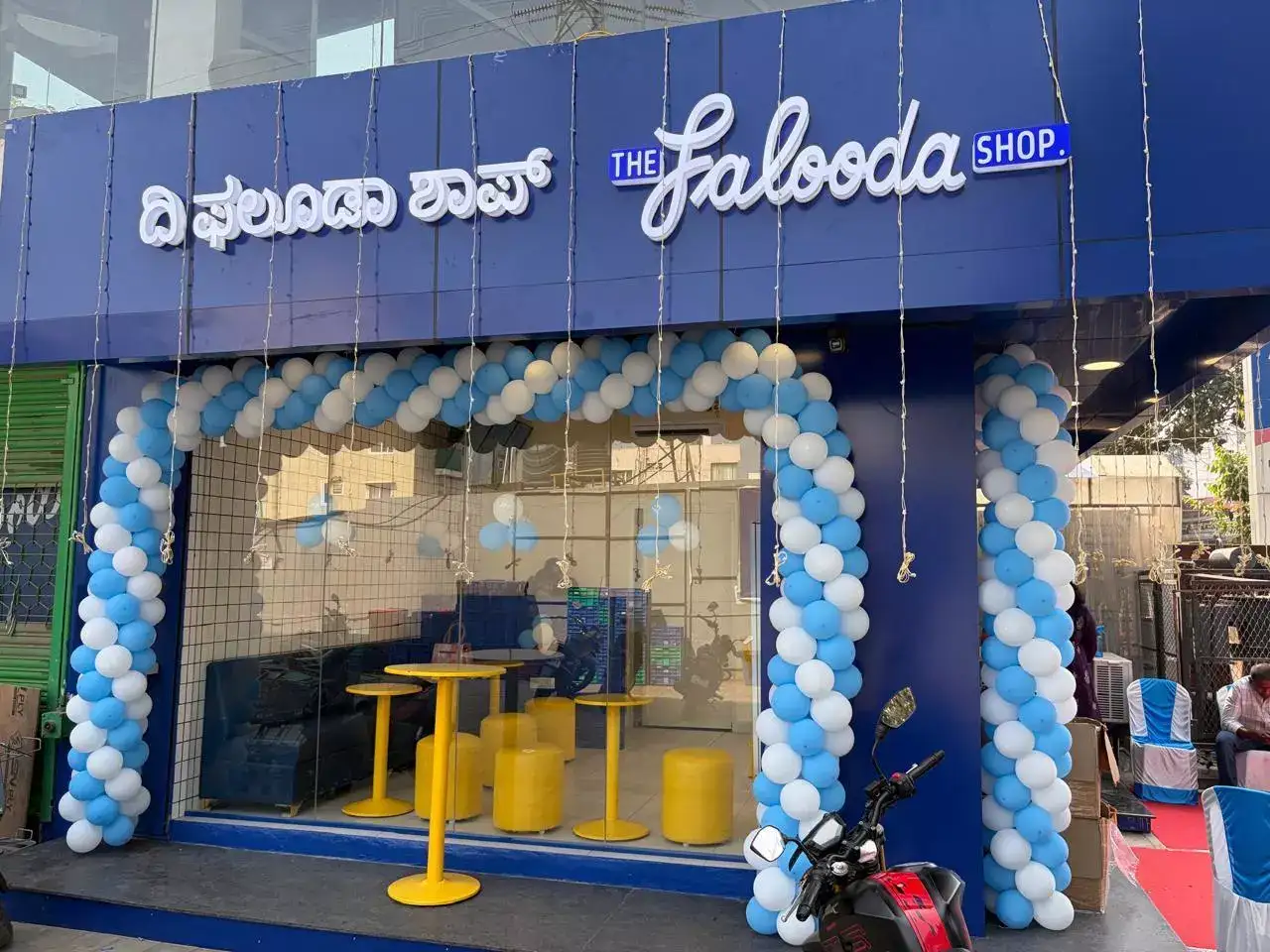
Hero Image


What began as a modest outlet named ‘The Falooda Shop’ was driven purely by passion rather than scale. At the time, peers and observers questioned the practicality of leaving a top corporate role for a niche food venture. Yet, Kannan remained focused on his vision of building a brand rooted in taste, quality, and nostalgia.

Seven years on, the decision once labelled “crazy” has matured into a flourishing entrepreneurial success, inspiring many aspiring founders contemplating unconventional paths.


Building The First Outlet, Investment Insights

Kannan recently offered rare transparency into the financial realities of launching a food startup. Sharing a detailed cost structure on social media, he revealed that opening his first outlet in Bengaluru required an investment of ₹22 lakh.

A rental deposit accounted for ₹2.4 lakh, while licences and regulatory registrations cost ₹60,000. Equipment expenses were kept controlled at ₹2 lakh by opting for basic and pre-owned machinery, reflecting a lean startup mindset.


The largest share of the budget — ₹10 lakh — went into furniture and interior setup, underscoring the high cost of physical ambience in food businesses. Raw materials and packaging required ₹3.2 lakh, ensuring operational readiness from day one.

Staffing costs for the first month stood at ₹80,000 for a four-member team. Branding and launch promotions added another ₹1 lakh. Though he initially planned ₹3 lakh as working capital, he eventually operated with a ₹2 lakh buffer.

The granular breakdown offered practical insights for aspiring food entrepreneurs evaluating startup investment realities.

The Core Business Lesson

Reflecting on his journey, Kannan highlighted a principle that reshaped his business thinking. He said, “You don’t need fancy interiors. You need repeat customers."

This philosophy underscores a crucial distinction in the food and beverage sector — visual appeal may attract first-time visitors, but sustainability depends on customer retention.


By prioritising product quality and consistency over luxury décor, he built a loyal customer base that fuelled organic growth. The approach also allowed better cash-flow management, a critical factor in surviving the early stages of hospitality ventures.

His strategy reflects a shift from capital-heavy aesthetics to value-driven operations — a model increasingly relevant for bootstrapped startups.

Social Media Applauds The Transparency

Kannan’s investment disclosure triggered strong engagement online, particularly among founders and food industry professionals.

One user observed, “Solid breakdown. In F&B, interiors bring the first visit… but taste, consistency, and cash-flow bring survival. Most outlets don’t shut because of low hype. They shut because working capital runs out before repeat customers build."

Another comment read, “The best décor in the food business is a queue outside the door. May there be a long queue always. BEST OF LUCK."


Industry observers also emphasised the role of location strategy, local marketing, and digital presence in scaling such ventures. Promotional campaigns, combo pricing, and targeted discounts were cited as effective tools to drive repeat footfall.

A particularly striking remark stated, “Fancy interiors are CapEx. Loyalty is revenue. Confusing the two is how businesses die beautifully."

The conversations highlighted how real-world cost transparency can educate and guide emerging entrepreneurs.

Scaling Through Customer Loyalty

The success of The Falooda Shop illustrates a wider truth about India’s evolving food startup ecosystem — authenticity and specialisation can outperform scale-driven models.

Rather than diversifying too quickly, Kannan focused on perfecting a single product category. This helped build brand recall while maintaining operational efficiency.