
Khamma Ghani to Padharo Sa: 8 Jaipur Greetings and What They Mean

A city's character lives in how its people say hello. In Jaipur , a greeting is rarely just a greeting, it carries social memory, desert warmth, and a particular idea of respect that the Pink City has held onto across generations.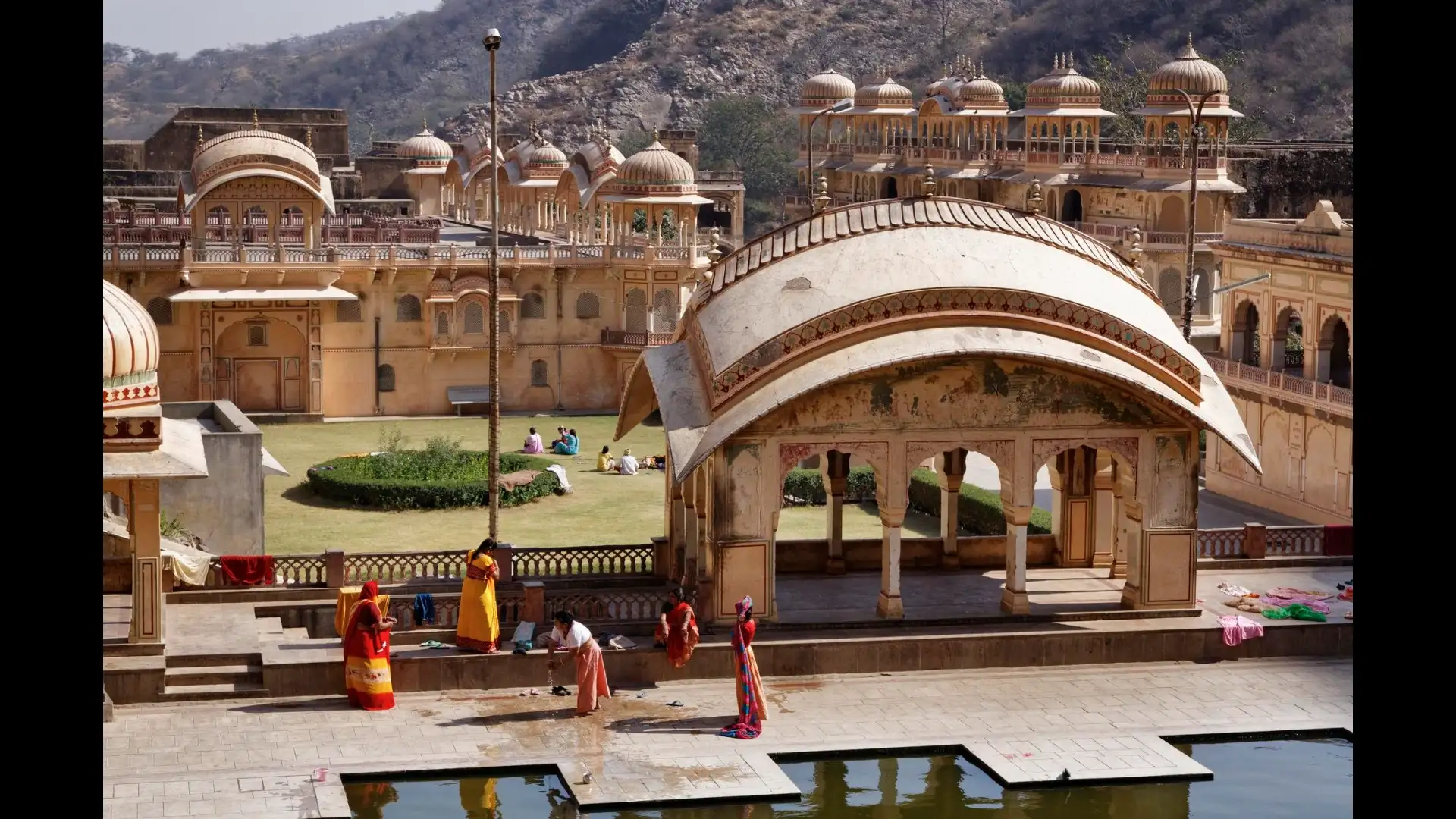
It was the traditional salutation offered to a superior, a thakur, or a respected elder. The one who receives it traditionally replies with Ghani Khamma reversing the words to return the courtesy in equal measure or with a warm nod acknowledging the respect.
What sounds like an apology is actually an act of profound humility. The speaker places himself lower so the other person may stand taller. In old Jaipur, this exchange opened courtly audiences, household visits, and respectful meetings, and it is still heard in the city's historic quarters.
Padharo Sa does not simply mean welcome. It says: your arrival is itself an honour. The distinction matters. A welcome can be perfunctory. Padharo Sa cannot. It assumes the guest has done the host a favour by appearing at the door. This is why Rajasthani hospitality has the reputation it does the guest is not merely being served, they are being thanked for arriving.
You hear it at thresholds: at the entrance to a haveli, at the beginning of a meal, whenever someone crosses from outside to inside.
Ram Ram is an invocation of the divine name, but its daily use has worn it smooth; it no longer feels like a formal prayer so much as a warm acknowledgement of shared humanity.
The Sa at the end keeps the respect intact. Two people passing on a narrow lane in the old city will exchange Ram Ram Sa the way people elsewhere exchange a nod. It is brief, sincere, and carries no weight of formality.
The greeting honours both the divine and the person standing before you. In the lanes around Tripolia Bazaar and the older residential mohallas, you still hear it exchanged at dawn when neighbours step out to start their morning routines.
It carries a distinct Dhundhari flavour, the local Rajasthani dialect spoken across Jaipur's commercial quarters for generations. Hearing it in a cloth or jewellery shop, exchanged between two merchants who have done business together for decades, is to hear a language of trust compressed into two words.
A young person visiting an elderly relative in a Jaipur neighbourhood will open with Mharo Pranam and touch the elder's feet. The elder's reply is typically a blessing jeete raho, live long rather than the same phrase returned. The greeting flows in one direction because respect, in this tradition, is generational.
What makes it distinctly Jaipuri is the completeness of its meaning it is an invitation, a welcome, and a statement of warmth simultaneously. A shopkeeper calls it from across the lane. A homemaker says it when a neighbour appears at the door. It is never said to someone you do not want inside. Saying it is a genuine invitation.
Ghani, the same word that intensifies Khamma Ghani, here intensifies the pleasure of reunion. It is warmer than a formal salutation and more personal than Ram Ram Sa, it speaks directly to the joy of this specific meeting and this moment.
Old Jaipur families use it when a relative returns from a long journey, or when an old friend reappears after years. It is the greeting that admits the other person was truly missed.
These eight phrases are not museum pieces. They move through the old city's lanes every morning, at the chai stall outside Hawa Mahal, at the shops of Johari Bazaar, and at the door of a haveli where the same family has lived for generations.
Each one encodes a different idea of what it means to meet another person: reverence, gratitude, devotion, trust, joy. Together they describe a city that thought carefully about how people should greet each other, and then kept doing it.
Khamma Ghani, The Greeting That Asks for Forgiveness
Khamma Ghani is the greeting most visitors hear first and understand least. Khamma comes from the Sanskrit root kshama, meaning to forgive or to pardon. Ghani means greatly, abundantly. Put together, the phrase says: I ask your great forgiveness.It was the traditional salutation offered to a superior, a thakur, or a respected elder. The one who receives it traditionally replies with Ghani Khamma reversing the words to return the courtesy in equal measure or with a warm nod acknowledging the respect.
What sounds like an apology is actually an act of profound humility. The speaker places himself lower so the other person may stand taller. In old Jaipur, this exchange opened courtly audiences, household visits, and respectful meetings, and it is still heard in the city's historic quarters.
Padharo Sa, You Have Honoured Us by Coming
Padharo comes from the verb padharna, meaning to grace a place with one's presence. Sa is an honorific suffix, the Rajasthani equivalent of ji, but softer, more intimate.Padharo Sa does not simply mean welcome. It says: your arrival is itself an honour. The distinction matters. A welcome can be perfunctory. Padharo Sa cannot. It assumes the guest has done the host a favour by appearing at the door. This is why Rajasthani hospitality has the reputation it does the guest is not merely being served, they are being thanked for arriving.
You hear it at thresholds: at the entrance to a haveli, at the beginning of a meal, whenever someone crosses from outside to inside.
Ram Ram Sa, The Everyday Sacred
Ram Ram Sa is how Jaipur says good morning, good afternoon, and goodbye all at once. It is the most common greeting on the street, in the market, and between neighbours who have known each other thirty years.Ram Ram is an invocation of the divine name, but its daily use has worn it smooth; it no longer feels like a formal prayer so much as a warm acknowledgement of shared humanity.
The Sa at the end keeps the respect intact. Two people passing on a narrow lane in the old city will exchange Ram Ram Sa the way people elsewhere exchange a nod. It is brief, sincere, and carries no weight of formality.
Jai Mataji, Greeting Through Devotion
Jai Mataji, victory to the Mother Goddess, is a greeting deeply rooted in communities with a strong Shakti tradition, which in Jaipur includes a large portion of the old city's population. It is used between women, between a devotee and an elder, and at the entrance to a temple. The response is the same: Jai Mataji.The greeting honours both the divine and the person standing before you. In the lanes around Tripolia Bazaar and the older residential mohallas, you still hear it exchanged at dawn when neighbours step out to start their morning routines.
Saachi Baat, The Affirmation That Opens Conversation
Saachi baat literally means the true thing, or the right thing. Rather than a formal hello, it functions as a warm conversational opener and affirmation, yes, exactly, you have said it well used between people who already know each other well.It carries a distinct Dhundhari flavour, the local Rajasthani dialect spoken across Jaipur's commercial quarters for generations. Hearing it in a cloth or jewellery shop, exchanged between two merchants who have done business together for decades, is to hear a language of trust compressed into two words.
You may also like
- Coimbatore engineer loses Rs 1.44 lakh to fake traffic challan scam
- 'Sukhbir Badal sitting at feet of BJP...': Punjab CM Bhagwant Mann hits out at renewed BJP-SAD tie-up
- Ponnam accuses BJP of diverting public attention over SIR concerns, demands special session of Parliament
- Man held for damaging two Karunanidhi statues, glass panels of DMK library and office in Erode
- Laundry whitener, caustic soda used to make paneer: UP FDA busts adulteration unit; destroys 3 quintals of product, 1,500 litres of milk
Mharo Pranam, My Reverence to You
Pranam is Sanskrit for bowing, for the act of respectful salutation before someone worthy of reverence. Mharo means mine, in the Rajasthani first person. So Mharo Pranam says: I offer you my reverence. It is used toward elders, toward teachers, and toward anyone whose age or learning commands it.A young person visiting an elderly relative in a Jaipur neighbourhood will open with Mharo Pranam and touch the elder's feet. The elder's reply is typically a blessing jeete raho, live long rather than the same phrase returned. The greeting flows in one direction because respect, in this tradition, is generational.
Aao Ji, Come In, Please
Aao Ji is not a greeting in the formal sense, yet it functions as one at the threshold. Aao means come, and ji is the universal Hindi honorific. Together they say: please come inside, you are wanted here.What makes it distinctly Jaipuri is the completeness of its meaning it is an invitation, a welcome, and a statement of warmth simultaneously. A shopkeeper calls it from across the lane. A homemaker says it when a neighbour appears at the door. It is never said to someone you do not want inside. Saying it is a genuine invitation.
Ghani Khushi, I Am Very Happy to See You
Ghani Khushi means great happiness or abundant joy. As a greeting, it is used when someone you have not seen for a long time appears.Ghani, the same word that intensifies Khamma Ghani, here intensifies the pleasure of reunion. It is warmer than a formal salutation and more personal than Ram Ram Sa, it speaks directly to the joy of this specific meeting and this moment.
Old Jaipur families use it when a relative returns from a long journey, or when an old friend reappears after years. It is the greeting that admits the other person was truly missed.
These eight phrases are not museum pieces. They move through the old city's lanes every morning, at the chai stall outside Hawa Mahal, at the shops of Johari Bazaar, and at the door of a haveli where the same family has lived for generations.
Each one encodes a different idea of what it means to meet another person: reverence, gratitude, devotion, trust, joy. Together they describe a city that thought carefully about how people should greet each other, and then kept doing it.






Loving Newspoint? Download the app now
