
The Indian Village Where Twins Are Everywhere and Why It Matters

Kodinhi is a village in Kerala's Malappuram district where you may notice something familiar within minutes of walking its lanes. Pairs of faces repeat. Brothers who resemble one another sit near a local tea shop. Sisters in matching clothes walk toward school. The village has an unusually high number of twins, and over generations, that visibility has become part of everyday life there.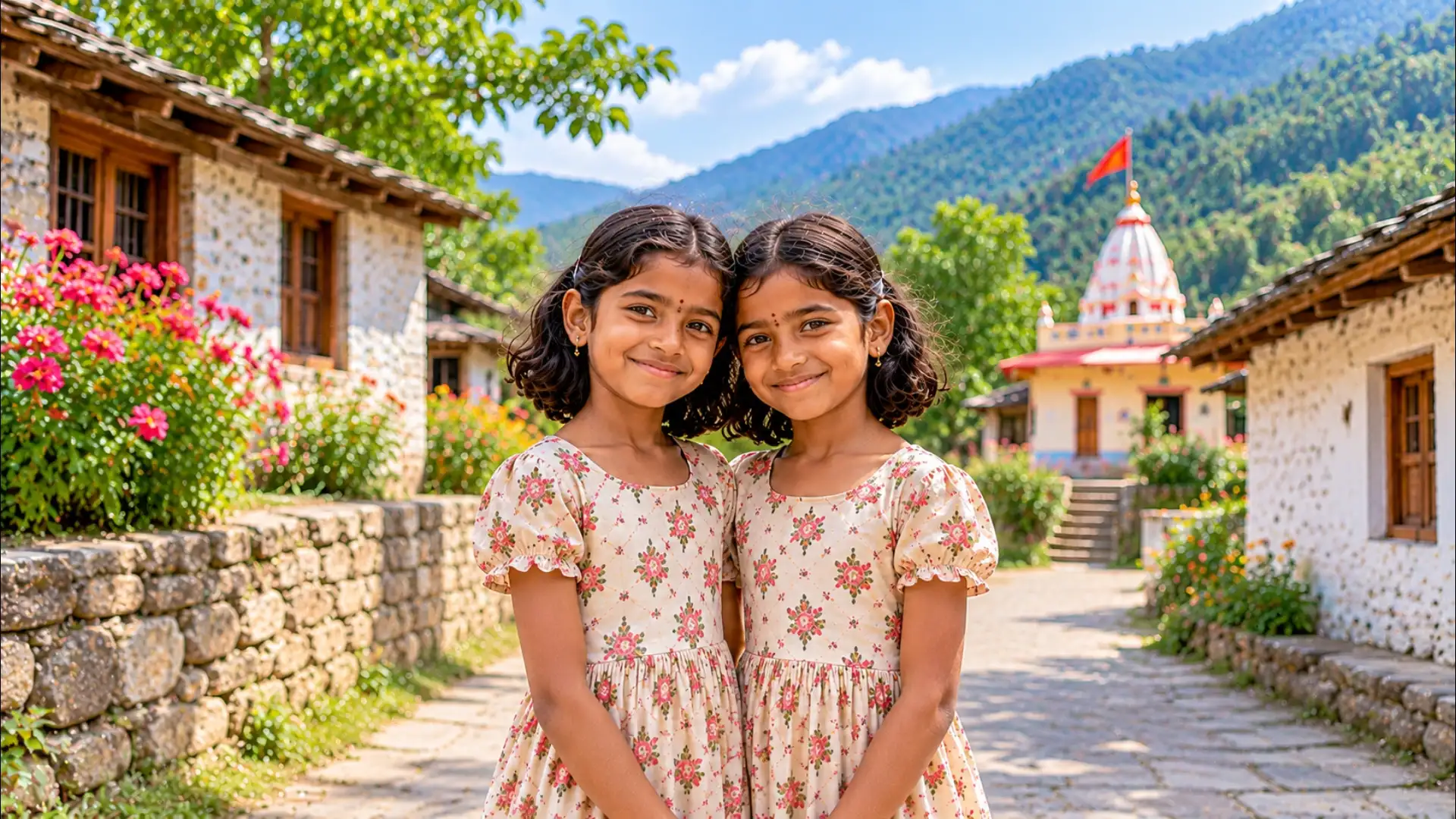
Researchers from India and abroad have visited to study the pattern, and while no single cause has been confirmed, the high incidence itself is well documented. Families often keep informal track of new twin births and households with multiple pairs.
In stories from the village, older relatives joke or advise younger couples not to be caught off guard if twins arrive. Some families prepare for two from the start with side-by-side cradles or double portions and teachers and neighbors routinely encounter lookalike siblings in classrooms and local gatherings.
Whatever explanation a household favors, twins in Kodinhi are widely embraced as a point of local pride and community identity, supported locally through groups such as the Twins and Kins Association.
Broadly in human reproduction, fraternal (dizygotic) twinning is known to have a hereditary link through maternal hyperovulation, and both fraternal and identical (monozygotic) twins appear in Kodinhi, though researchers have not established a confirmed genetic or environmental trigger specific to the village. That unanswered question keeps Kodinhi on the radar of demographic and reproductive researchers.
Many twins in the village describe a sense of familiarity and ease around being paired or mistaken for a sibling that feels natural in daily life. Over time, Kodinhi has turned a rare statistical occurrence into a familiar part of its social rhythm.
A Village That Counts Its Twins
Twin births in Kodinhi occur at a rate well above typical Indian and global averages for a community of its size. Local estimates and community surveys have placed the number of twin pairs in the hundreds across roughly 2,000 families, with twinning rates widely cited around 42 to 45 per 1,000 live births.Researchers from India and abroad have visited to study the pattern, and while no single cause has been confirmed, the high incidence itself is well documented. Families often keep informal track of new twin births and households with multiple pairs.
How Twins Shape Family Life Here
In much of India, a twin birth comes as a surprise, whereas in Kodinhi residents are far more accustomed to seeing twins in their extended families and neighborhoods.In stories from the village, older relatives joke or advise younger couples not to be caught off guard if twins arrive. Some families prepare for two from the start with side-by-side cradles or double portions and teachers and neighbors routinely encounter lookalike siblings in classrooms and local gatherings.
Belief and Local Identity Around the Twin Pattern
Residents of Kodinhi offer different theories for why twins are so common in the village, reflecting how a community interprets a striking local pattern. Some people mention the local water or everyday diet, while others view it as a blessing or a family trait passed down through generations even though researchers note that diets here look broadly similar to much of Kerala.Whatever explanation a household favors, twins in Kodinhi are widely embraced as a point of local pride and community identity, supported locally through groups such as the Twins and Kins Association.
What Researchers Have Found and Not Found
Scientists have examined Kodinhi's water, food habits, genetics, and history of marriage within the community, yet no single factor has been proven as the cause.Broadly in human reproduction, fraternal (dizygotic) twinning is known to have a hereditary link through maternal hyperovulation, and both fraternal and identical (monozygotic) twins appear in Kodinhi, though researchers have not established a confirmed genetic or environmental trigger specific to the village. That unanswered question keeps Kodinhi on the radar of demographic and reproductive researchers.
A Community Shaped by Repetition
The lasting mark of Kodinhi's twin population is cultural as much as statistical. Growing up in a place where twins are a common sight changes how children and adults experience sharing a likeness with someone else.Many twins in the village describe a sense of familiarity and ease around being paired or mistaken for a sibling that feels natural in daily life. Over time, Kodinhi has turned a rare statistical occurrence into a familiar part of its social rhythm.
Next Story