
Leheriya: The Wave-Patterned Tie-Dye That Defines Jaipur's Sawan

A single leheriya dupatta begins as a length of plain muslin or georgette and ends, hours later, as a river of colour. The stripes appear to flow in one direction across the cloth, catching light differently at each angle. What looks like a printed pattern is actually a resist-dye technique, the fabric is never touched by a brush or a screen.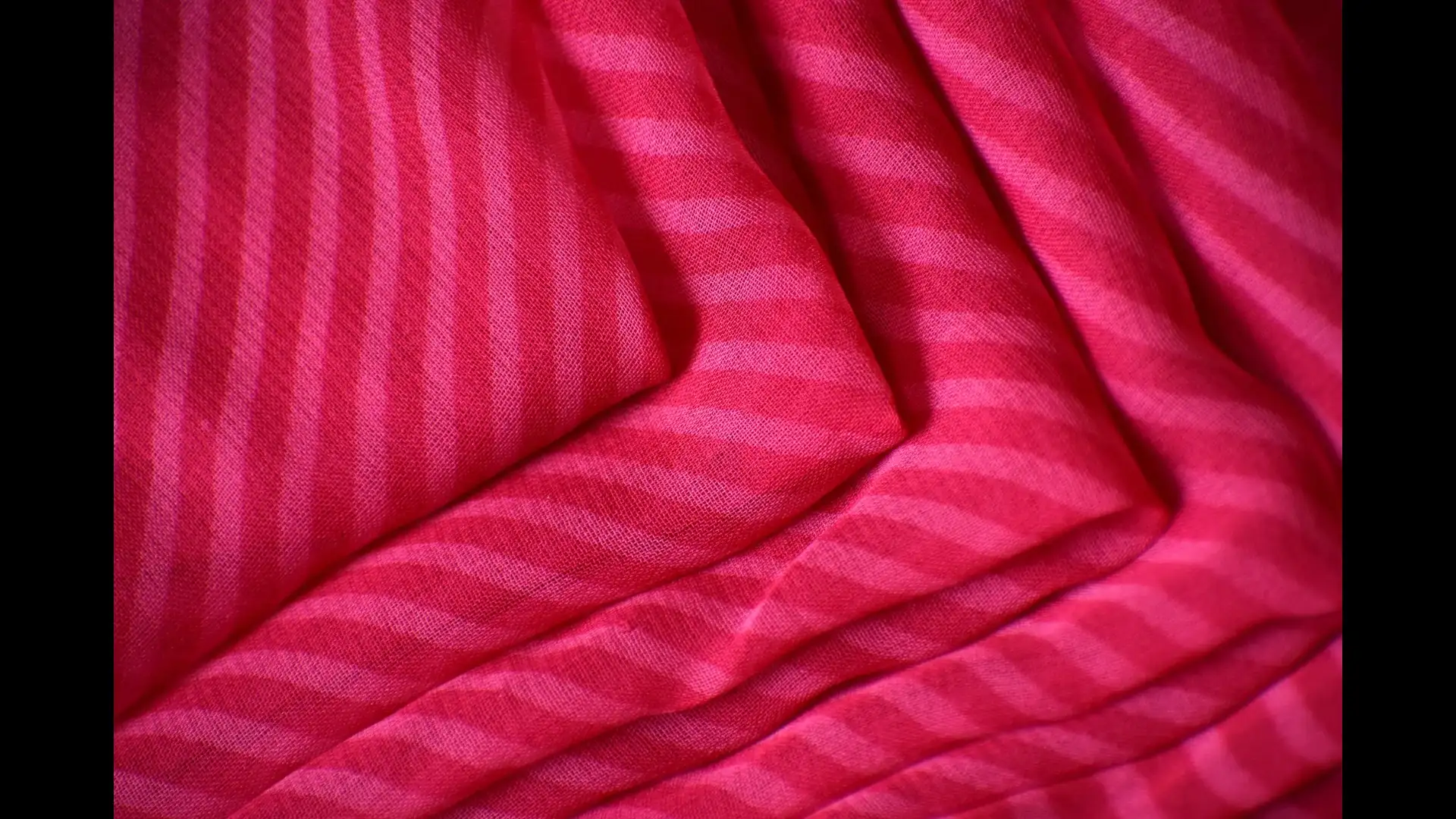
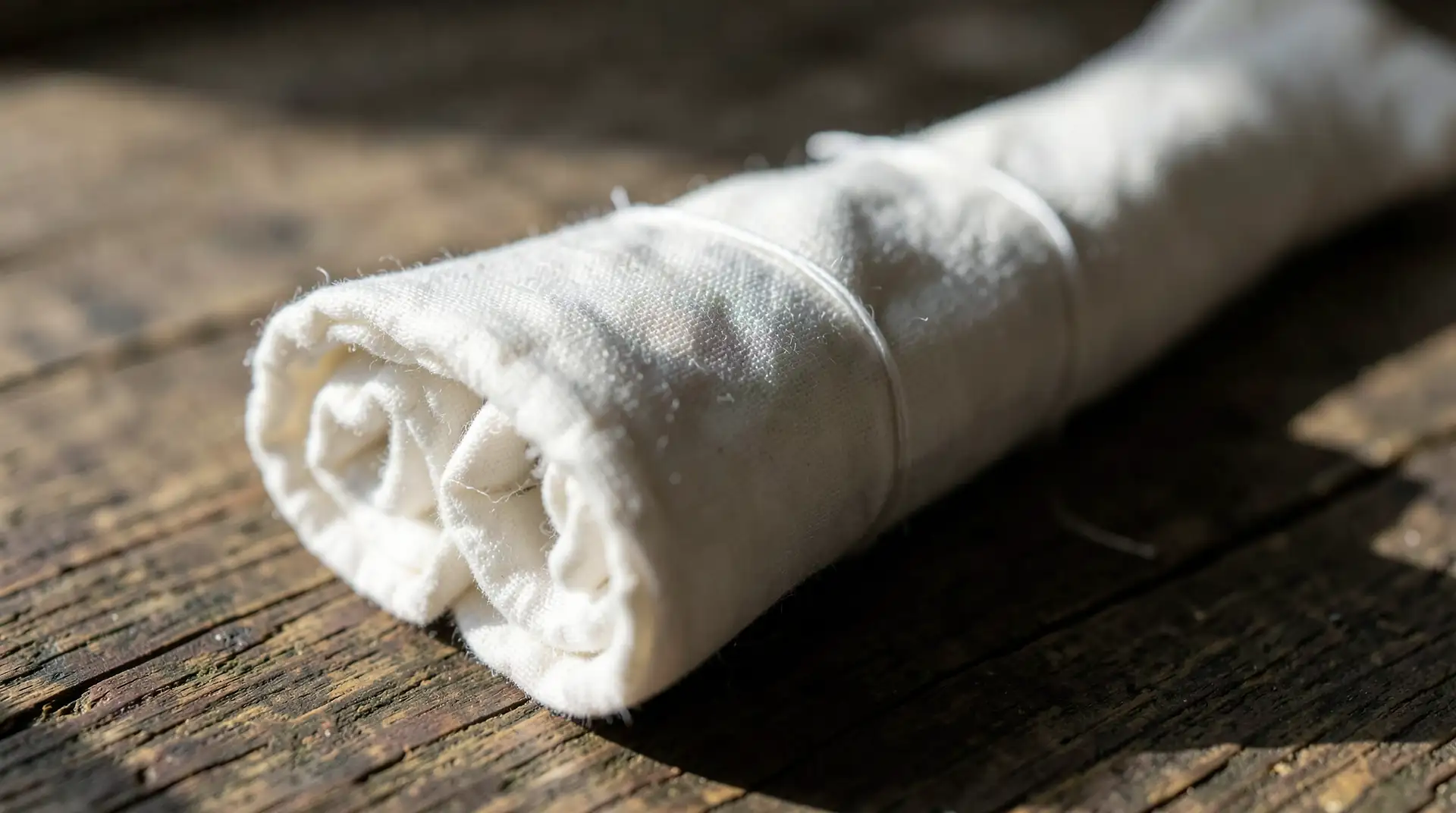
Once rolled, the cloth is tied at intervals with thread, each binding point will resist the dye and emerge as a pale line against the saturated ground. A single piece of cloth can carry dozens of these bindings, each placed by hand and by feel rather than measurement.
The crossing of two dye directions creates the motif known as mothda, a small diamond where the two sets of stripes intersect. The fabric is then washed, wrung, and dried in the open air, often on rooftops or along the edges of lanes in the old city's dyeing quarters.
Saffron and yellow followed as festival colours. The wave pattern itself echoes the rain, the river, and the movement of water across flat land, an association the tradition holds, though the technique likely predates any such symbolic reading.
The knowledge passes through watching and doing rather than formal instruction, a child in a dyeing household learns the angle of the roll and the tightness of the binding before learning to name the steps.
The craft has no machine equivalent that replicates the variation of hand-tied resist, which is why two pieces from the same dye bath are never identical. The slight irregularity in the stripe is not a flaw; it is the signature of the process.
In Jaipur's bazaars, particularly along Johari Bazaar and the lanes off Bapu Bazaar, leheriya stalls run year-round, though the weeks before teej bring the largest stocks and the most concentrated range of colour. The wave pattern has also moved into block-printed and screen-printed imitations, which are cheaper and faster to produce.
The hand-tied original can be identified by the soft blur at the edge of each stripe, where the dye crept slightly under the binding, a line that no screen can replicate.
How the Cloth Is Rolled and Tied
The artisan lays the fabric flat, then rolls it diagonally along a thin bamboo stick or a reed. The tightness of the roll and the angle of the diagonal determine the width and direction of the eventual stripe.Once rolled, the cloth is tied at intervals with thread, each binding point will resist the dye and emerge as a pale line against the saturated ground. A single piece of cloth can carry dozens of these bindings, each placed by hand and by feel rather than measurement.
The Dye Bath and What Comes After
The bound roll is dipped into a dye bath, sometimes more than once. When the ties are removed and the cloth is unrolled, the pale lines appear where the thread held the fabric away from the colour. For a two-colour leheriya, the cloth is re-rolled in the opposite diagonal, re-tied, and dipped in a second dye.The crossing of two dye directions creates the motif known as mothda, a small diamond where the two sets of stripes intersect. The fabric is then washed, wrung, and dried in the open air, often on rooftops or along the edges of lanes in the old city's dyeing quarters.
Why Sawan Became Leheriya's Season
In Rajasthani tradition, Sawan, the monsoon month, carries the colour green. It is the season of the teej festival, of swings hung from trees, of songs sung by women for the return of rain after months of dry heat. Green leheriya became the cloth of teej the way red sindoor marks a wedding: through long repetition until the association became inseparable.Saffron and yellow followed as festival colours. The wave pattern itself echoes the rain, the river, and the movement of water across flat land, an association the tradition holds, though the technique likely predates any such symbolic reading.
Where It Is Made and Who Makes It
The craft is concentrated in Jaipur's older neighbourhoods, particularly around the areas that have housed dyers and block printers for generations. The families who practise leheriya typically belong to communities with hereditary ties to the textile trades.The knowledge passes through watching and doing rather than formal instruction, a child in a dyeing household learns the angle of the roll and the tightness of the binding before learning to name the steps.
The craft has no machine equivalent that replicates the variation of hand-tied resist, which is why two pieces from the same dye bath are never identical. The slight irregularity in the stripe is not a flaw; it is the signature of the process.
The Cloth Beyond the Festival
Leheriya left the festival context long ago. It appears in saris, turbans, kurtas, and scarves sold across Rajasthan and beyond. The turban version, a long strip of leheriya fabric wound around the head, is worn by men at weddings and celebrations across the state.In Jaipur's bazaars, particularly along Johari Bazaar and the lanes off Bapu Bazaar, leheriya stalls run year-round, though the weeks before teej bring the largest stocks and the most concentrated range of colour. The wave pattern has also moved into block-printed and screen-printed imitations, which are cheaper and faster to produce.
The hand-tied original can be identified by the soft blur at the edge of each stripe, where the dye crept slightly under the binding, a line that no screen can replicate.
Next Story