5 Historic Bazaars in India That Have Survived for Centuries

Long before modern shopping malls and e-commerce platforms reshaped how people shop, bustling traditional bazaars served as the true pulse of Indian cities. These vibrant historic markets were far more than simple commerce hubs. They functioned as vital centers of culture, craftsmanship, and local community life. For generations, international merchants from across Asia, Europe, and the Middle East traveled through these famous trade routes, exchanging everything from fragrant spices and delicate silks to precious gemstones and intricate textiles.
Hero Image


Remarkably, several of these ancient shopping destinations continue to flourish today. They seamlessly combine deep-rooted heritage with everyday modern trade. Here are five of the oldest surviving markets in India that remain well worth exploring.


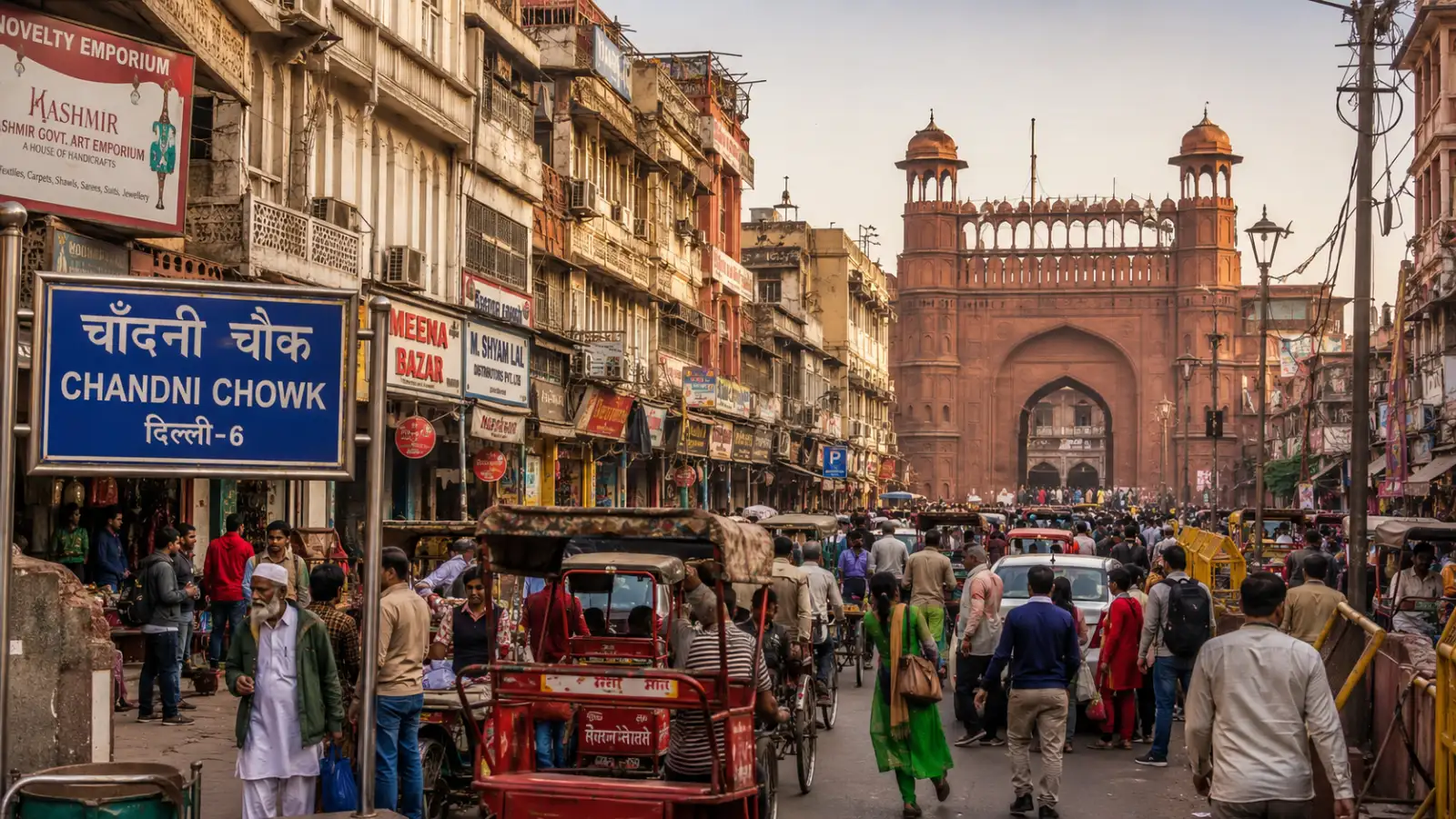
Chandni Chowk, Delhi

Commissioned by Mughal emperor Shah Jahan and thoughtfully designed by his daughter Jahanara Begum, Chandni Chowk stands as one of the most iconic historical bazaars in the country. The iconic shopping hub was originally constructed around a scenic moonlit canal, which inspired its evocative name meaning moonlight. Over the generations, it has transformed into an energetic maze of narrow alleys filled with traditional jewelry shops, textile stores, spice merchants, and legendary street food eateries.


Don't miss: Khari Baoli (Asia's largest wholesale spice market), Paranthe Wali Gali, Dariba Kalan and Kinari Bazaar.


Johari Bazaar, Jaipur

Carefully laid out during the founding of the Pink City around 1727 by Maharaja Sawai Jai Singh II, Johari Bazaar ranks among the earliest planned traditional markets in India. This famous shopping destination is world-renowned for handcrafted jewelry, precious gemstones, fine meenakari work, lac bangles, and vibrant Rajasthani textiles. Its uniform pink building facades and symmetrical urban layout make it one of the most picturesque heritage street markets in the region.


Famous for: Kundan jewellery, gemstones, handcrafted silver and bridal shopping.


Laad Bazaar, Hyderabad

Running alongside the world-famous Charminar, Laad Bazaar traces its roots back to the reign of the Qutb Shahi dynasty in the late 1500s. Affectionately called the Bangle Bazaar, this historic trading lane remains the ultimate destination for authentic lacquer bangles, cultured pearls, traditional perfumes, embroidered fabrics, and classic Hyderabadi wedding shopping. The colorful marketplace buzzes with extra energy during major festive occasions, particularly throughout Ramadan and Eid.


Ima Keithel, Imphal

Standing out as perhaps the most extraordinary historic marketplace in the country, Ima Keithel, or the Mother's Market, has been managed exclusively by women vendors for centuries. Located in the heart of Imphal, this landmark trade center is widely recognized as one of the world's largest all-women markets. Thousands of female entrepreneurs gather daily to sell fresh vegetables, local fish, handloom textiles, artisan handicrafts, and essential household goods. Deeply intertwined with the social and economic fabric of Manipur, it remains an enduring symbol of women's entrepreneurship.


Crawford Market (Mahatma Jyotiba Phule Mandai), Mumbai

Constructed during the British colonial era, Crawford Market elegantly blends Victorian Gothic architecture with classic Indian craftsmanship. While notably younger than the other ancient commercial hubs on this list, it remains one of the oldest continuously operating municipal markets in India. Shoppers flock to this heritage destination for farm-fresh produce, imported food items, aromatic spices, premium dry fruits, fresh flowers, and festive supplies, all housed beneath a striking historic building structure.