
Here's how new Tamil Nadu govt can help unorganized workers


R Geetha and Priti Narayan
The labour codes, which came into force in Nov 2025, have compromised hard-won protections and benefits enjoyed by workers in India. However, as labour is a concurrent subject which Centre and state can legislate on, there are many ways the new Tamil Nadu govt can consider to ensure the state’s workers do not lose the protections they have had for years.
That labour is in the concurrent list allows for federal legislative capacities across Centre and states. A recent analysis published by the Centre for Labour Studies, National Law School of India University (NLSIU), Bengaluru, in collaboration with a working group of unorganized workers , emphasizes that the notification of the labour codes by Centre “does not denude state legislatures of their power to enact labour legislation. An analysis of the codes reveals they contemplate, rather than exclude, state legislation on similar subjects”. Further, the analysis notes that the codes do contain provisions that explicitly preserve more favourable benefits offered by other laws, including those created by states.
“States can be proactive about crafting new laws that are careful to avoid direct confrontation with the codes, while also upholding stronger protections and benefits for workers,” says professor Babu Mathew of NLSIU.
All four codes allow for the preservation of some existing rules and notifications as long as they are not in conflict with the new codes, the analysis reveals. This includes actions taken under some repealed laws including the Minimum Wages Act of 1948. Thus, while the codes provide legal backing for a “floor wage”, which poses the danger of driving minimum wages down towards the floor, states can be strategic by maintaining higher minimum wage rates. The codes on social security and occupational safety allow for responsiveness to local conditions and retention of older, beneficial provisions.
The most significant differences between labour codes and state protections for workers lie in the delineation of social security and occupational health and safety, particularly with regard to sector-specific worker needs. The new Social Security Code accords organized workers some benefits, while informal workers are to receive vaguely defined “welfare schemes”. The abolition of various cesses as part of the Goods and Services Tax reforms has huge repercussions for the ability to provide welfare for informal sector workers, as there is no replacement funding to support workers in the beedi, salt, mining and other sectors. More broadly, the centralization of social security benefits, such as pensions, is likely only to hamper their reach to workers.
In contrast, the Tamil Nadu Manual Workers (Regulation of Employment and Conditions of Work) Act 1982 protects unorganized workers across multiple sectors. There are 20 functional welfare boards , enabled by the legislation under the labour department, that offer registered workers several benefits and protections, including old-age pension, educational assistance for children and marriage, and maternity assistance. In addition to these, there are 18 welfare boards administered by various departments, including the Tamil Nadu Fishermen and Labourers (Social Security and Welfare) Act 2007 and the Agricultural Labourers – Farmers Act 2006, which cover workers in the fisheries and agricultural sectors. About two crore workers are registered across various welfare boards. The fate of these boards remains unclear, even after the labour codes were notified.
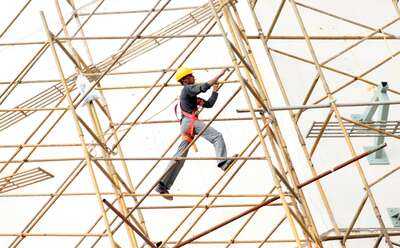
The Manual Workers Act regulates employment, working conditions, wages, and social security. Registration of workers with their respective sectoral welfare boards also enabled enrollment in the Employees’ State Insurance (ESI). The new code of occupational health and safety does not cover or recognize unorganized workers across many sectors including agriculture, fisheries, home-based and domestic work. It remains unclear who will undertake identification, treatment, rehabilitation and compensation in the event of occupational diseases, especially given that unorganized workers are not covered by ESI. Much-needed safety provisions for construction workers were present in the Building and Other Construction Workers Act of 1997, but absent in the new code. Safety, and therefore the Right to Life, of construction workers engaged in extremely hazardous work has been left to the employer under the central rules, with no role for the govt. The repeal of sector-specific laws has already had devastating impacts: dedicated hospitals for beedi workers have been shut down, and so have medical camps and the provision of educational assistance for the children of workers.
To examine the codes closely and their implications for the state, the Kerala govt passed an order in Dec 2025 to constitute a committee to identify provisions that might harm workers and recommend state-level legislative and policy responses, in consultation with trade unions, employers, govt officials and experts. Tamil Nadu must take similar steps.
The labour codes, which came into force in Nov 2025, have compromised hard-won protections and benefits enjoyed by workers in India. However, as labour is a concurrent subject which Centre and state can legislate on, there are many ways the new Tamil Nadu govt can consider to ensure the state’s workers do not lose the protections they have had for years.
That labour is in the concurrent list allows for federal legislative capacities across Centre and states. A recent analysis published by the Centre for Labour Studies, National Law School of India University (NLSIU), Bengaluru, in collaboration with a working group of unorganized workers , emphasizes that the notification of the labour codes by Centre “does not denude state legislatures of their power to enact labour legislation. An analysis of the codes reveals they contemplate, rather than exclude, state legislation on similar subjects”. Further, the analysis notes that the codes do contain provisions that explicitly preserve more favourable benefits offered by other laws, including those created by states.
“States can be proactive about crafting new laws that are careful to avoid direct confrontation with the codes, while also upholding stronger protections and benefits for workers,” says professor Babu Mathew of NLSIU.
All four codes allow for the preservation of some existing rules and notifications as long as they are not in conflict with the new codes, the analysis reveals. This includes actions taken under some repealed laws including the Minimum Wages Act of 1948. Thus, while the codes provide legal backing for a “floor wage”, which poses the danger of driving minimum wages down towards the floor, states can be strategic by maintaining higher minimum wage rates. The codes on social security and occupational safety allow for responsiveness to local conditions and retention of older, beneficial provisions.
The most significant differences between labour codes and state protections for workers lie in the delineation of social security and occupational health and safety, particularly with regard to sector-specific worker needs. The new Social Security Code accords organized workers some benefits, while informal workers are to receive vaguely defined “welfare schemes”. The abolition of various cesses as part of the Goods and Services Tax reforms has huge repercussions for the ability to provide welfare for informal sector workers, as there is no replacement funding to support workers in the beedi, salt, mining and other sectors. More broadly, the centralization of social security benefits, such as pensions, is likely only to hamper their reach to workers.
In contrast, the Tamil Nadu Manual Workers (Regulation of Employment and Conditions of Work) Act 1982 protects unorganized workers across multiple sectors. There are 20 functional welfare boards , enabled by the legislation under the labour department, that offer registered workers several benefits and protections, including old-age pension, educational assistance for children and marriage, and maternity assistance. In addition to these, there are 18 welfare boards administered by various departments, including the Tamil Nadu Fishermen and Labourers (Social Security and Welfare) Act 2007 and the Agricultural Labourers – Farmers Act 2006, which cover workers in the fisheries and agricultural sectors. About two crore workers are registered across various welfare boards. The fate of these boards remains unclear, even after the labour codes were notified.
The Manual Workers Act regulates employment, working conditions, wages, and social security. Registration of workers with their respective sectoral welfare boards also enabled enrollment in the Employees’ State Insurance (ESI). The new code of occupational health and safety does not cover or recognize unorganized workers across many sectors including agriculture, fisheries, home-based and domestic work. It remains unclear who will undertake identification, treatment, rehabilitation and compensation in the event of occupational diseases, especially given that unorganized workers are not covered by ESI. Much-needed safety provisions for construction workers were present in the Building and Other Construction Workers Act of 1997, but absent in the new code. Safety, and therefore the Right to Life, of construction workers engaged in extremely hazardous work has been left to the employer under the central rules, with no role for the govt. The repeal of sector-specific laws has already had devastating impacts: dedicated hospitals for beedi workers have been shut down, and so have medical camps and the provision of educational assistance for the children of workers.
To examine the codes closely and their implications for the state, the Kerala govt passed an order in Dec 2025 to constitute a committee to identify provisions that might harm workers and recommend state-level legislative and policy responses, in consultation with trade unions, employers, govt officials and experts. Tamil Nadu must take similar steps.
Next Story