
Pehle Aap: How Lucknow Became the City of Tehzeeb

In most Indian cities, the street is a negotiation. In Lucknow, at least in the way the city remembers itself, the street is a stage for a different kind of exchange, one where the first move is always to give way. The phrase 'pehle aap', meaning 'you first', sits at the heart of what Lucknow calls tehzeeb: a culture of refinement, courtesy and elaborate mutual regard that the city has carried as part of its identity for centuries.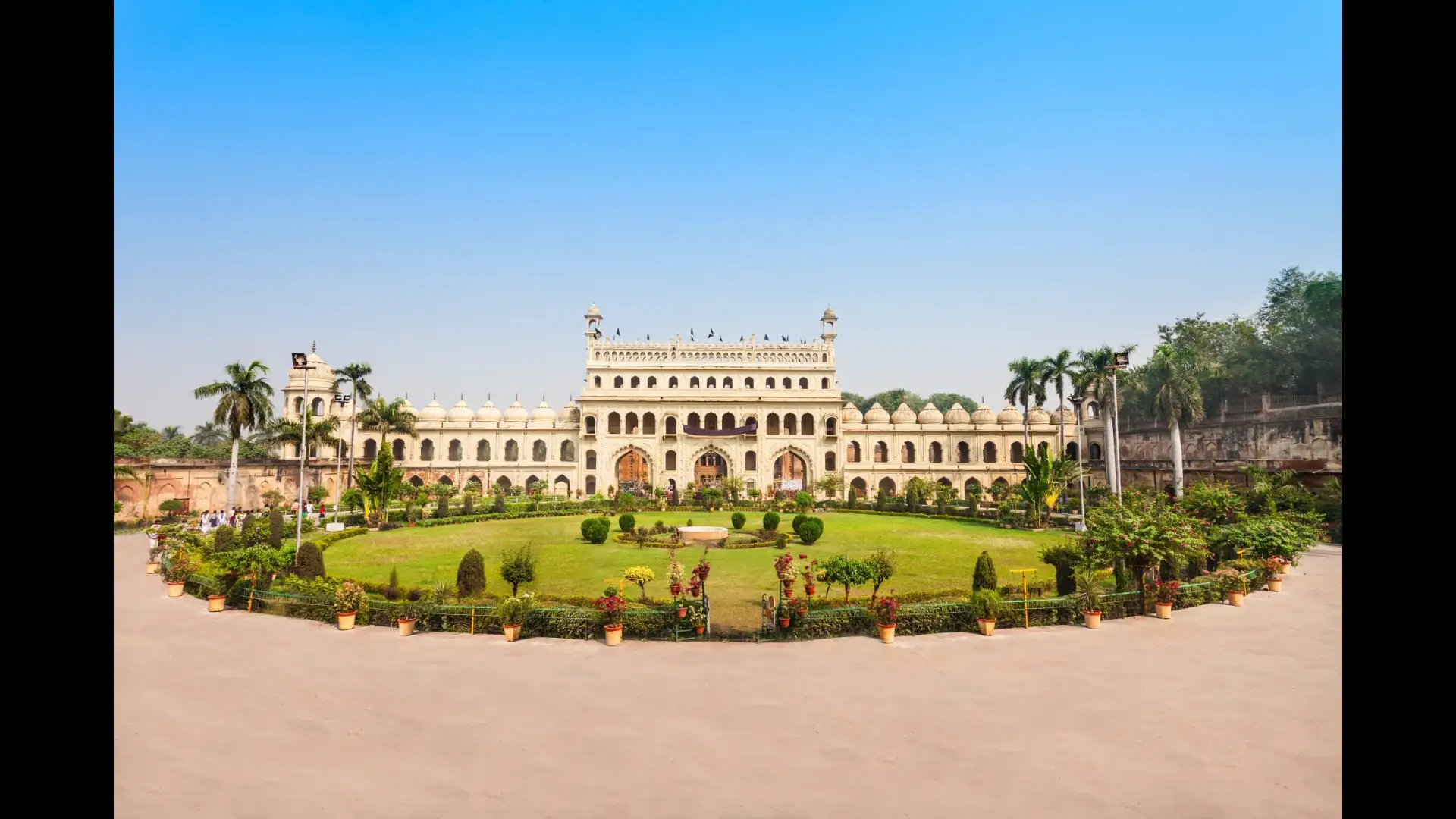
The Nawabs, particularly Asaf-ud-Daula, invested heavily in Lucknow's architecture and cultural life. Palaces, imambaras, gardens and bazaars expanded along the Gomti. But their influence extended beyond buildings. The court became an important centre for cultivating poetry, music, dance, cuisine and refined social manners.
The Nawabi court attracted poets, musicians, dancers, craftsmen and scholars from across the subcontinent. Urdu poetry flourished in Lucknow, developing distinctive literary traditions.
Kathak, which had older roots in devotional storytelling and temple traditions, evolved into a prominent courtly dance form here, particularly through the development of the Lucknow gharana. The competition for patronage also made refinement in dress, speech and manner an important marker of social standing.
The 'pehle aap' tradition is perhaps its most famous expression. The story most often told, probably apocryphal but instructive, is of two Lucknawi gentlemen who met at a narrow doorway, each insisting that the other enter first.
They stood there so long that a third person walked through between them. The joke is on the excess, but the excess is also the point. The performance of courtesy was itself a form of honour. To rush through a door was to signal that your own business mattered more than the other person's dignity.
Honorific forms such as 'baithiye' rather than 'baitho' are common examples of this linguistic politeness, although they are not exclusive to Lucknow. Expressions such as 'tashreef rakhiye', a formal and respectful invitation to take a seat, add another layer of courtesy to everyday conversation.
This linguistic delicacy was not merely ornamental. It reflected an ideal of social interaction in which the person being addressed deserved consideration and respect. Such forms of speech were used in a range of settings, from markets and homes to formal gatherings. Over time, the city's association with refined Urdu became an important part of its cultural identity, extending well beyond the Nawabi court.
Aminabad developed into a prominent commercial area during the nineteenth century. In these neighbourhoods, the bazaar culture that grew around Lucknow's courtly and urban life continued to shape local customs.
In Chowk, traditional trades such as perfumery, embroidery and chikankari became closely associated with the city's cultural heritage. The skills passed down through families were accompanied by local customs of hospitality and interaction. The attar sellers and artisans of the old city are often remembered for a style of welcome that is unhurried and attentive, though such experiences naturally vary from shop to shop.
Hazratganj, whose origins date to the Nawabi period and which was subsequently reshaped under British rule, absorbed tehzeeb into a different register. Its promenades, shops and social spaces became associated with the evening walk, the adda and leisurely conversation. The area came to represent a version of urban sociability in which being present, meeting people and taking one's time were part of the experience.
What the legend sometimes leaves out is the social structure that made the original tehzeeb possible. The Nawabi court was a court, with all the hierarchy that implies. Elaborate courtesy could also function as a system of status signals. Knowing exactly how much deference to offer, and to whom, was a skill that distinguished insiders from outsiders. The warmth was real, but so was the stratification beneath it.
As the court faded and the city changed, elements of this etiquette gradually extended into broader public life. The tradition became part of Lucknow's cultural self-image, although its reach and practice have never been uniform across the city.
The 'pehle aap' that a shopkeeper offers a customer today may carry little of the original courtly social calculus. It can carry something simpler: the idea that the city has a way of doing things, and that way involves making the other person feel like they came first.
The Court That Built a Culture
Lucknow became the capital of the Nawabs of Awadh in 1775, when Asaf-ud-Daula moved his court from Faizabad to the city. This came at a time when Mughal authority was weakening and regional powers were gaining greater autonomy.The Nawabs, particularly Asaf-ud-Daula, invested heavily in Lucknow's architecture and cultural life. Palaces, imambaras, gardens and bazaars expanded along the Gomti. But their influence extended beyond buildings. The court became an important centre for cultivating poetry, music, dance, cuisine and refined social manners.
The Nawabi court attracted poets, musicians, dancers, craftsmen and scholars from across the subcontinent. Urdu poetry flourished in Lucknow, developing distinctive literary traditions.
Kathak, which had older roots in devotional storytelling and temple traditions, evolved into a prominent courtly dance form here, particularly through the development of the Lucknow gharana. The competition for patronage also made refinement in dress, speech and manner an important marker of social standing.
What Tehzeeb Actually Means
Tehzeeb is an Arabic-rooted Urdu word that carries more than its usual English translations of 'culture' or 'etiquette' can convey. It is associated with cultivation, refinement and the shaping of one's conduct. In Lucknow's cultural usage, it came to describe a broader system of social behaviour: how you greeted someone, how you declined an offer, and how you spoke about a person who was not in the room.The 'pehle aap' tradition is perhaps its most famous expression. The story most often told, probably apocryphal but instructive, is of two Lucknawi gentlemen who met at a narrow doorway, each insisting that the other enter first.
They stood there so long that a third person walked through between them. The joke is on the excess, but the excess is also the point. The performance of courtesy was itself a form of honour. To rush through a door was to signal that your own business mattered more than the other person's dignity.
Language as the Carrier
Lucknow's tehzeeb lives particularly visibly in its language. The Urdu spoken in Lucknow has long been associated with refinement, not because of its vocabulary alone, but because of its emphasis on respectful forms of address and expression.You may also like
- 'Riders flung 15-20 metres': Thar at 120 kmph crashes into motorcycle; 3 killed in UP
- Punjab records 4,657 stubble-burning cases till Nov 9; 1,442 FIRs registered, Rs 7.28 crore fines imposed
- Chandigarh man's car meets with accident in July 2025, United India Insurance rejects claim over date-entry error; consumer panel orders Rs 2.93 lakh with 9% interest, Rs 10,000 compensation for mental agony and Rs 10,000 litigation costs
- 'Distance penalty' for justice: Tamil Nadu lawyers back CM Vijay's push for Supreme Court bench in Chennai
- Petrol testing by third party: Government sets condition
Honorific forms such as 'baithiye' rather than 'baitho' are common examples of this linguistic politeness, although they are not exclusive to Lucknow. Expressions such as 'tashreef rakhiye', a formal and respectful invitation to take a seat, add another layer of courtesy to everyday conversation.
This linguistic delicacy was not merely ornamental. It reflected an ideal of social interaction in which the person being addressed deserved consideration and respect. Such forms of speech were used in a range of settings, from markets and homes to formal gatherings. Over time, the city's association with refined Urdu became an important part of its cultural identity, extending well beyond the Nawabi court.
The Neighbourhoods That Kept It
The parts of Lucknow most associated with tehzeeb are its historic neighbourhoods, including Chowk, Aminabad and Hazratganj. Chowk is part of the city's old cultural core, known for its traditional markets, crafts and food.Aminabad developed into a prominent commercial area during the nineteenth century. In these neighbourhoods, the bazaar culture that grew around Lucknow's courtly and urban life continued to shape local customs.
In Chowk, traditional trades such as perfumery, embroidery and chikankari became closely associated with the city's cultural heritage. The skills passed down through families were accompanied by local customs of hospitality and interaction. The attar sellers and artisans of the old city are often remembered for a style of welcome that is unhurried and attentive, though such experiences naturally vary from shop to shop.
Hazratganj, whose origins date to the Nawabi period and which was subsequently reshaped under British rule, absorbed tehzeeb into a different register. Its promenades, shops and social spaces became associated with the evening walk, the adda and leisurely conversation. The area came to represent a version of urban sociability in which being present, meeting people and taking one's time were part of the experience.
What Survives and What It Cost
Tehzeeb is not a museum piece, but it is also not unchanged. Lucknow grew rapidly through the twentieth century, and the city today is far larger and more diverse than the one shaped by the Nawabs. The courtesy tradition survives in different forms: in the way some older residents greet one another, in the persistence of respectful Urdu expressions in everyday conversation, and in the pride the city takes in its cultural identity.What the legend sometimes leaves out is the social structure that made the original tehzeeb possible. The Nawabi court was a court, with all the hierarchy that implies. Elaborate courtesy could also function as a system of status signals. Knowing exactly how much deference to offer, and to whom, was a skill that distinguished insiders from outsiders. The warmth was real, but so was the stratification beneath it.
As the court faded and the city changed, elements of this etiquette gradually extended into broader public life. The tradition became part of Lucknow's cultural self-image, although its reach and practice have never been uniform across the city.
The 'pehle aap' that a shopkeeper offers a customer today may carry little of the original courtly social calculus. It can carry something simpler: the idea that the city has a way of doing things, and that way involves making the other person feel like they came first.






Loving Newspoint? Download the app now
