
Why Connaught Place Was Built as a Ring of White Colonnades

Delhi had been the seat of Mughal power for centuries when the British decided, in 1911, to shift their Indian capital from Calcutta. The new city needed a commercial heart, a place where European traders and officials could shop, bank, and do business without wandering into the old walled city. Connaught Place was the answer, and almost nothing about it was left to chance.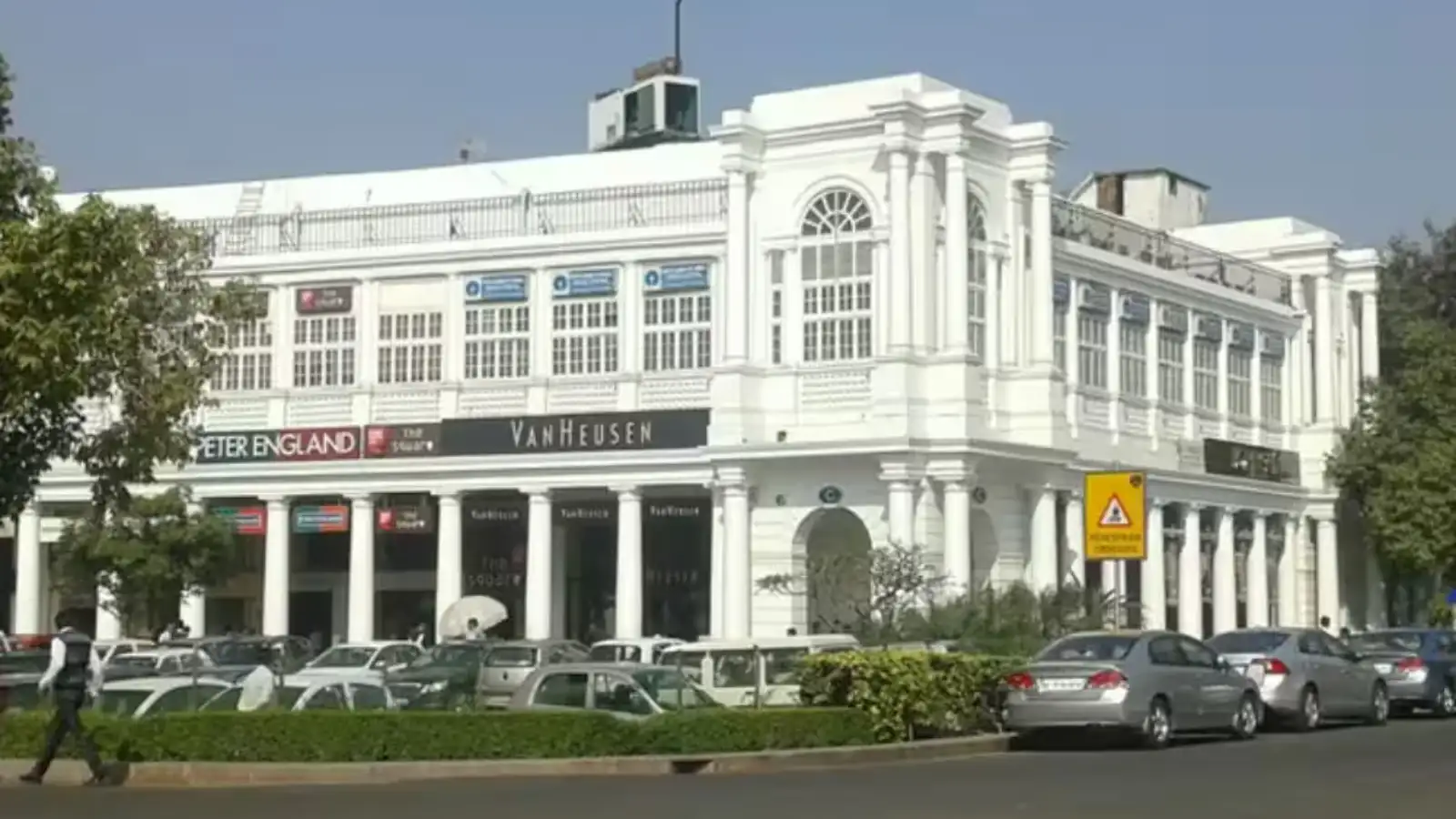
The choice of a circle was not only aesthetic. It created a contained, legible space. A visitor arriving by any of the seven radial roads would immediately understand where the centre was and how to navigate back out. In a city being built from scratch on flat scrubland, that legibility mattered. There were no old lanes to follow, no river bend to orient by.
This was not a new idea. Covered walkways for commerce appear in Roman forums, in the arcades of Bologna, in the Palais-Royal in Paris. Russell was drawing on a long tradition of using shade as a commercial incentive. The colonnades kept the shops cooler, kept the goods from fading in direct light, and kept customers on their feet longer.
The uniformity also carried a message. Colonial urban planning used visual order as a statement of authority. A ring of identical white facades said that the people who built this city could impose coherence on a landscape. The contrast with Shahjahanabad, dense, organic, its skyline broken by domes and minarets, was not accidental. The two cities sat a few kilometres apart and were meant to read as different kinds of order.
The radial roads connecting the inner and outer circles to the rest of Lutyens' Delhi were not just traffic routes. They were sightlines. Standing at the centre of Connaught Place, a person could look down each spoke and see the city receding in a straight line. That geometry was the point: a capital that announced itself as planned, measured, and permanent.
The colonnades still carry foot traffic. The cream stucco has been repainted many times. The shops beneath the arches have changed hands across generations. What has not changed is the form itself, the ring, the shade, the spokes, because it was never just decoration. It was the structure of an argument about what a city should look like, made in lime and brick on the flat plain south of the old walls.
A Georgian Crescent Transplanted to India
The architects Herbert Baker and Robert Tor Russell, working under Edwin Lutyens, looked to Bath and Edinburgh for the form. The Royal Crescent in Bath and the curved terraces of Edinburgh's New Town had shown that a continuous curved facade of colonnaded buildings could make a commercial district feel monumental without being fortress-like. Russell, who designed Connaught Place directly, took that idea and bent it into a full circle, two concentric rings of colonnaded blocks, joined by radial roads that spoke outward like the spokes of a wheel.The choice of a circle was not only aesthetic. It created a contained, legible space. A visitor arriving by any of the seven radial roads would immediately understand where the centre was and how to navigate back out. In a city being built from scratch on flat scrubland, that legibility mattered. There were no old lanes to follow, no river bend to orient by.
What the Colonnades Were Actually For
The deep, shaded walkways that run beneath the buildings are the most recognisable feature of Connaught Place, and they solved a practical problem before they became an architectural signature. Delhi's summers are brutal. A shopper moving from one shop to the next under open sky in May would simply stop shopping. The colonnades, wide enough for two people to pass comfortably, roofed by the first-floor overhang, created a continuous shaded corridor all the way around both rings. A person could walk the full circuit of the inner block without stepping into direct sun.This was not a new idea. Covered walkways for commerce appear in Roman forums, in the arcades of Bologna, in the Palais-Royal in Paris. Russell was drawing on a long tradition of using shade as a commercial incentive. The colonnades kept the shops cooler, kept the goods from fading in direct light, and kept customers on their feet longer.
The White That Was Never Quite White
The buildings are described as white, and from a distance they read that way. Up close, the material is a pale cream stucco over brick, with the pilasters and arches picked out in slightly brighter lime wash. The effect of uniform whiteness was deliberate: it made the ring read as a single object rather than a collection of separate buildings, reinforcing the sense that this was a designed ensemble, not a street that had accumulated over time.The uniformity also carried a message. Colonial urban planning used visual order as a statement of authority. A ring of identical white facades said that the people who built this city could impose coherence on a landscape. The contrast with Shahjahanabad, dense, organic, its skyline broken by domes and minarets, was not accidental. The two cities sat a few kilometres apart and were meant to read as different kinds of order.
The Name and the Node
The place was named after the Duke of Connaught, Prince Arthur, who visited India in 1921 and laid the foundation stone of the YMCA building nearby. The name stuck to the whole development. By the time the complex was completed and opened for business in the early 1930s, it had already begun to function as the commercial and social hub Lutyens and Baker had imagined, a place where the new capital's residents converged.The radial roads connecting the inner and outer circles to the rest of Lutyens' Delhi were not just traffic routes. They were sightlines. Standing at the centre of Connaught Place, a person could look down each spoke and see the city receding in a straight line. That geometry was the point: a capital that announced itself as planned, measured, and permanent.
The colonnades still carry foot traffic. The cream stucco has been repainted many times. The shops beneath the arches have changed hands across generations. What has not changed is the form itself, the ring, the shade, the spokes, because it was never just decoration. It was the structure of an argument about what a city should look like, made in lime and brick on the flat plain south of the old walls.