
Kaali-Peeli: How Mumbai's Taxis Got Their Black and Yellow Colours

Long before app-based cabs arrived, Mumbai already had a colour code on its streets. The kaali-peeli, black body, yellow roof, was the city's first mass taxi system, and for decades it was how millions of people moved across one of the world's most crowded cities. The colours look obvious now, almost inevitable. They were not.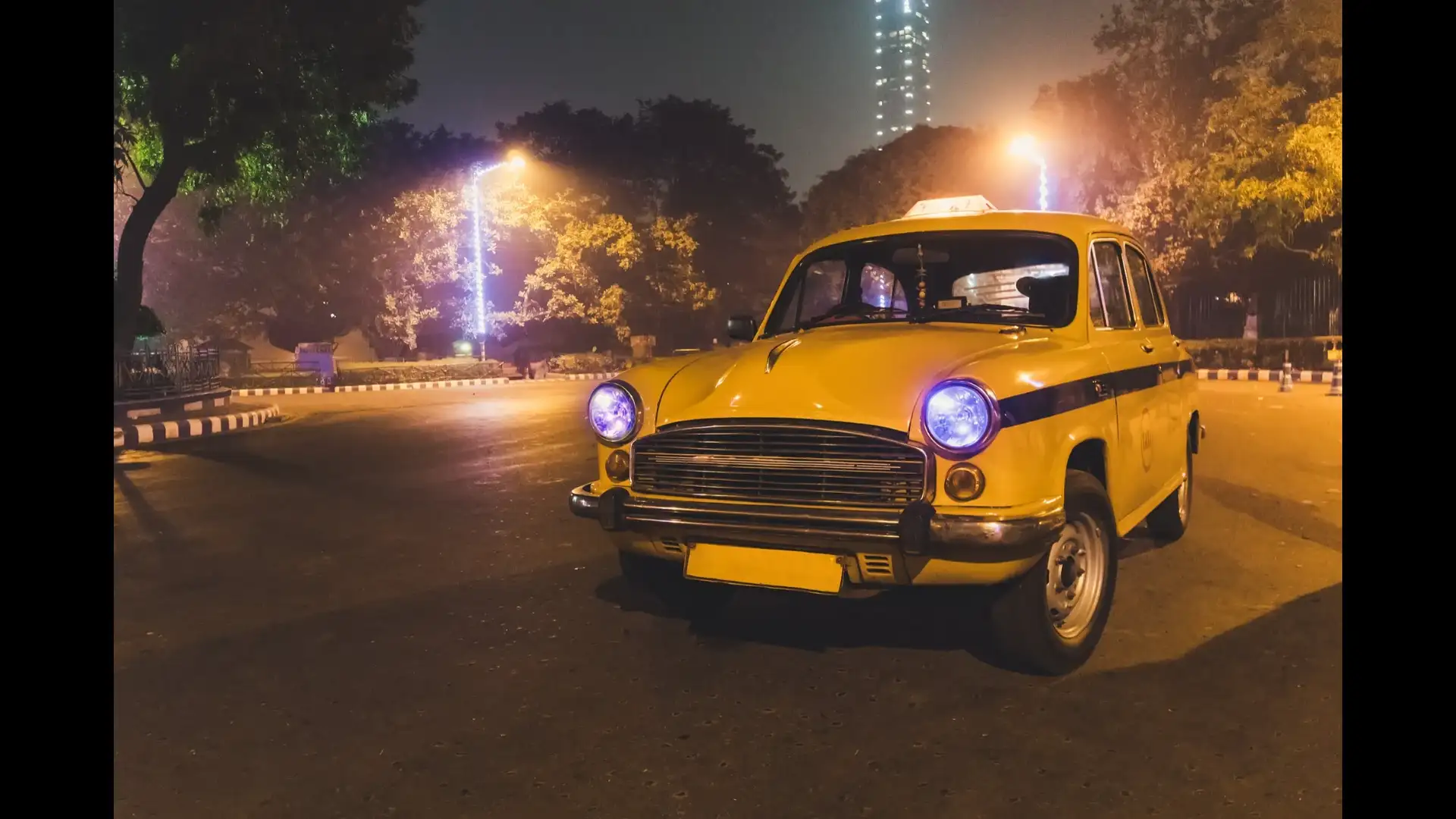
High-visibility, two-tone colour schemes were already in use in British cities for the same reason: a cab had to be readable from a distance, in rain, and at night.
Black was chosen for the body because it was the standard colour for official and commercial vehicles of the era, durable, cheap to repaint, and easy to maintain. Yellow was added to the roof because it reads clearly against a dark body and remains visible in overcast monsoon light.
Together, the combination created what designers now call a high-contrast pairing: the eye catches it before the brain registers it.
A yellow roof above a dark body creates the maximum contrast ratio possible with two colours, which is why the combination appeared independently in taxi systems across several cities, New York's yellow cabs, London's black cabs with yellow licence plates, and Bombay's kaali-peeli all arrived at similar logic from different directions.
In Mumbai's specific case, the monsoon mattered. For roughly four months each year, the city operates under a grey sky with reduced visibility and wet, reflective roads. A yellow roof cuts through that grey in a way that a white or cream roof does not. The choice was functional before it was iconic.
The Padmini became so associated with the kaali-peeli that many Mumbaikars assumed the colours belonged to the car rather than the other way around. When newer vehicles began replacing it, the colours stayed. The regulatory requirement for black-and-yellow remained in force because the colour had become a civic identifier, it told passengers, traffic police, and other drivers what the vehicle was and what rules applied to it.
It appeared in Bollywood films as shorthand for Bombay itself. It became the subject of a specific kind of nostalgia, the long conversation with the driver, the meter that clicked audibly, the particular smell of the vinyl seats in the heat.
The drivers, many of them from specific communities in Maharashtra and Uttar Pradesh, built their own economy around the taxi. Particular routes, particular times of day, and particular negotiations over the meter became part of the city's texture in a way that no regulatory document planned for.
At the city's edges, where app connectivity is unreliable and fares are negotiated rather than calculated by an algorithm, the kaali-peeli is still the practical choice.
The colours that began as a colonial visibility solution have become one of the few things in Mumbai that residents across every neighbourhood, income level, and decade of arrival recognise without explanation. A black body and a yellow roof do not need a sign. The city already knows what they mean.
A Colonial Decision That Stuck
The first metered taxis in Bombay appeared in the early twentieth century, when the city was still under British administration. The colonial administration needed a way to distinguish licensed taxis from private cars at a glance, especially as traffic on the city's narrow mill-district roads grew heavier.High-visibility, two-tone colour schemes were already in use in British cities for the same reason: a cab had to be readable from a distance, in rain, and at night.
Black was chosen for the body because it was the standard colour for official and commercial vehicles of the era, durable, cheap to repaint, and easy to maintain. Yellow was added to the roof because it reads clearly against a dark body and remains visible in overcast monsoon light.
Together, the combination created what designers now call a high-contrast pairing: the eye catches it before the brain registers it.
Why Yellow Works on a Roof
Yellow has been used as a visibility marker across transport systems worldwide, and the reason is physiological. The human eye processes yellow faster than almost any other colour in the spectrum, particularly in low-light and diffuse-light conditions.A yellow roof above a dark body creates the maximum contrast ratio possible with two colours, which is why the combination appeared independently in taxi systems across several cities, New York's yellow cabs, London's black cabs with yellow licence plates, and Bombay's kaali-peeli all arrived at similar logic from different directions.
In Mumbai's specific case, the monsoon mattered. For roughly four months each year, the city operates under a grey sky with reduced visibility and wet, reflective roads. A yellow roof cuts through that grey in a way that a white or cream roof does not. The choice was functional before it was iconic.
The Padmini and the Shape of a City
For much of the twentieth century, the kaali-peeli was almost exclusively a Premier Padmini, a compact, boxy car built in India under licence from Fiat. The Padmini's proportions suited the colour scheme: a flat, wide roof gave the yellow maximum surface area, and the car's upright silhouette made it readable even when partially blocked by a bus or a handcart.The Padmini became so associated with the kaali-peeli that many Mumbaikars assumed the colours belonged to the car rather than the other way around. When newer vehicles began replacing it, the colours stayed. The regulatory requirement for black-and-yellow remained in force because the colour had become a civic identifier, it told passengers, traffic police, and other drivers what the vehicle was and what rules applied to it.
From Regulation to Identity
Colour in a city's transport system starts as regulation and, if it lasts long enough, becomes something else entirely. The kaali-peeli crossed that line somewhere in the middle of the twentieth century.It appeared in Bollywood films as shorthand for Bombay itself. It became the subject of a specific kind of nostalgia, the long conversation with the driver, the meter that clicked audibly, the particular smell of the vinyl seats in the heat.
The drivers, many of them from specific communities in Maharashtra and Uttar Pradesh, built their own economy around the taxi. Particular routes, particular times of day, and particular negotiations over the meter became part of the city's texture in a way that no regulatory document planned for.
What the Colour Carries Now
The kaali-peeli fleet has shrunk significantly as the city's transport options have multiplied. But the colour scheme has not been retired, it remains the legal requirement for any metered taxi operating in Mumbai, and a small fleet still runs.At the city's edges, where app connectivity is unreliable and fares are negotiated rather than calculated by an algorithm, the kaali-peeli is still the practical choice.
The colours that began as a colonial visibility solution have become one of the few things in Mumbai that residents across every neighbourhood, income level, and decade of arrival recognise without explanation. A black body and a yellow roof do not need a sign. The city already knows what they mean.
Next Story