
Why Bengaluru’s Streets Turn Pink Each Spring With British-Era Blossoms

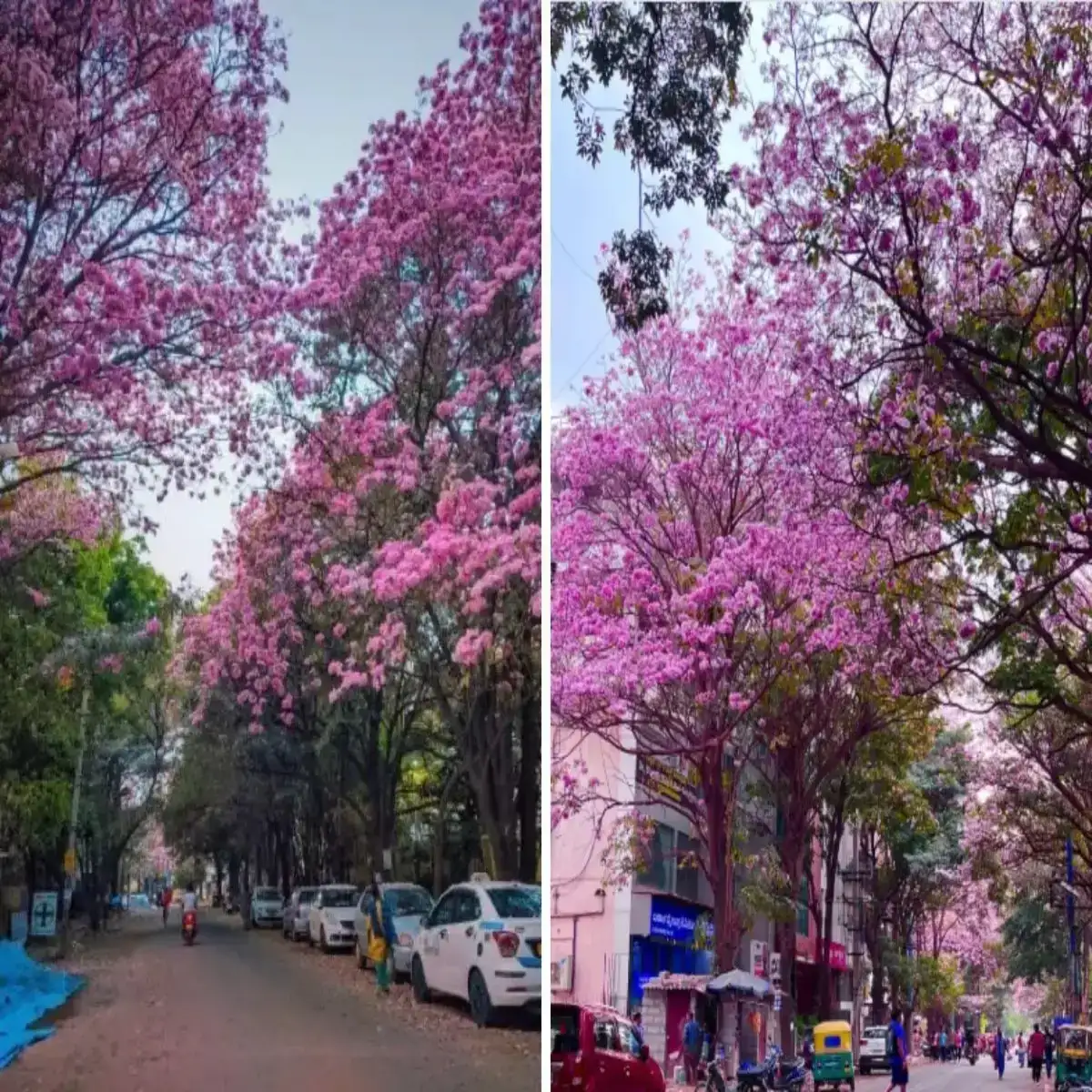
For a few magical weeks every year between late February and mid March, Bengaluru transforms into a city washed in shades of pink. Streets that usually buzz with traffic and office commuters suddenly look softer and calmer as flowering trees burst into bloom. Entire avenues become covered with delicate pink petals that fall gently onto roads, footpaths and parked vehicles. People slow down to admire the view, take photographs and simply enjoy a rare moment of calm in the busy city.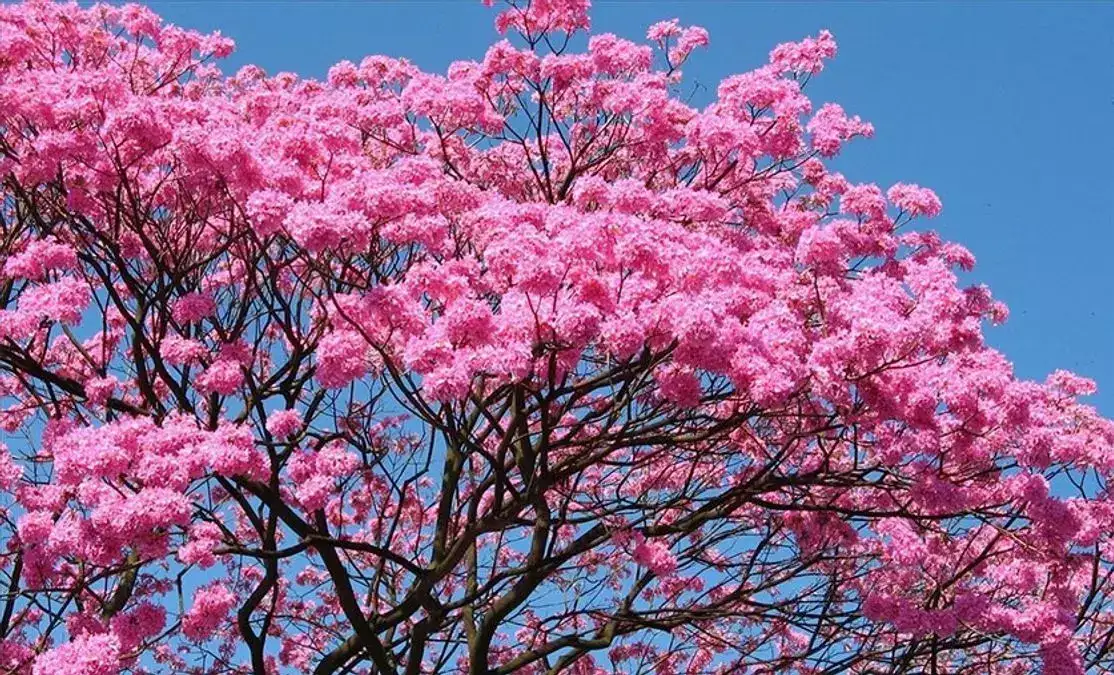
This seasonal transformation has become one of the most charming natural spectacles in an Indian urban landscape.
The Flowers That Create Bengaluru’s Pink Season
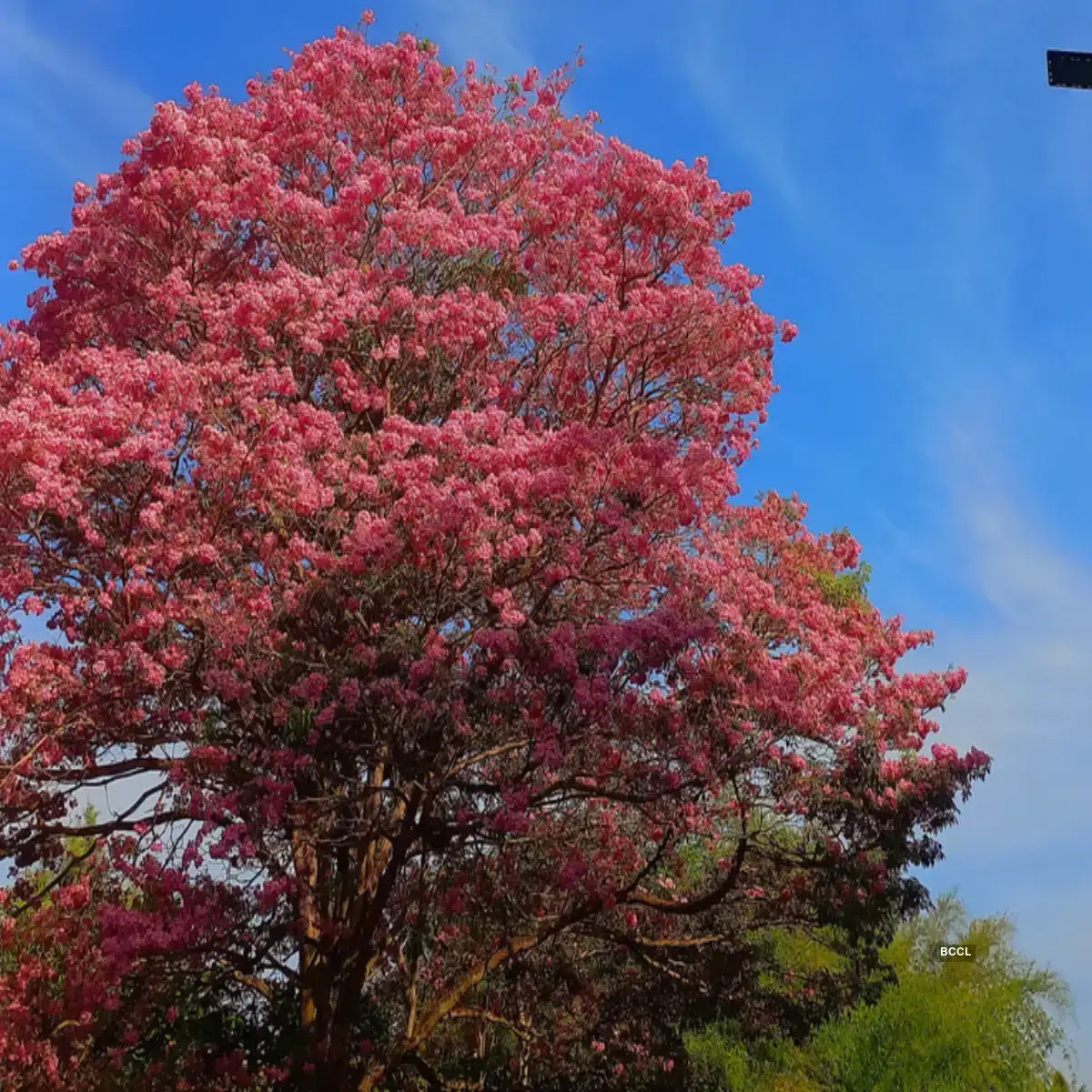
The trees responsible for this breathtaking display are known as Tabebuia, often mistaken for cherry blossom trees because of their pastel pink flowers and bare branches. The most commonly seen species is Tabebuia rosea, a tree native to Central and South America. It belongs to the Bignoniaceae family and produces trumpet shaped flowers that bloom in thick clusters.
These trees usually grow between 20 and 30 feet tall and develop wide spreading canopies. During the flowering season, the leaves fall off almost completely, leaving branches covered entirely with blossoms. This creates the dramatic effect of pink clouds floating above city roads.
Bengaluru also hosts several other varieties of Tabebuia. The soft baby pink Tabebuia avellanedae, the deeper rose coloured Tabebuia rosea, and the bright yellow Tabebuia argentea all contribute to the colourful landscape. While the pink flowers attract the most attention, the yellow blooms bring a sunny contrast that brightens many neighbourhoods.
Apart from their beauty, these trees are environmentally valuable. They help absorb carbon dioxide, improve air quality and strengthen soil in areas that receive heavy rainfall. Historically, parts of the tree have also been used in traditional medicine.
How These Trees Arrived in Bengaluru
The story of how these trees reached Bengaluru dates back to the late nineteenth century during British colonial rule. When the British developed army cantonments and gardens around the city, they introduced several exotic plants and ornamental trees from different parts of the world.
The rulers of the Mysore Kingdom were fascinated by these flowering trees and supported their cultivation across the city. Large numbers were planted in Lalbagh Botanical Garden and along major streets to enhance the beauty of Bengaluru.
Two European horticulturists played an important role in shaping the city’s greenery during that period. John Cameron and Gustav Hermann Krumbiegel worked as botanical experts and supervisors of Lalbagh. Their work helped transform Bengaluru into a city known for its well planned gardens and tree lined roads. Krumbiegel in particular influenced the planting style that still defines many of Bengaluru’s iconic avenues.
The Urban Planning That Made the Bloom Spectacular
While the trees were introduced earlier, their large scale presence across Bengaluru became more organised decades later. In 1980, renowned horticulturist and Indian Forest Officer S. G. Neginhal initiated a systematic programme to plant Tabebuia trees along city roads.
Instead of planting them randomly, the trees were placed in long rows along avenues. This strategy ensured that when they bloom, entire roads flower at the same time. The result is the stunning canopy effect that turns several parts of the city pink every spring.
This thoughtful urban design decision is one of the reasons why the blooming season has become such a striking visual experience today.
A Foreign Flower That Became a Local Symbol
Although Tabebuia trees originally came from tropical regions of Central and South America, they have become deeply woven into Bengaluru’s identity. Many residents now look forward to the flowering season each year and consider it one of the city’s most special natural events.
The pink bloom has also become popular on social media, where photographers and travellers share images of roads covered with petals and flowering trees arching above traffic.
In fact, technology enthusiasts in the city created an online bloom tracker where residents record sightings of flowering trees across different neighbourhoods. The interactive map helps people see where the bloom is currently at its peak and plan visits to the most colourful streets.
When the Pink Bloom Appears
The flowering season usually begins toward the end of December and continues until late March. However, the most dramatic display typically occurs around mid March when the trees lose most of their leaves and the branches are filled entirely with flowers.
The exact timing can vary slightly depending on weather conditions. Cooler winters may delay the bloom while warmer and drier weather can cause it to appear earlier.
For those hoping to witness the city at its most colourful, planning a visit during mid March generally offers the best chance.
Best Time of Day to Enjoy the Flowers
Early morning is considered one of the best times to admire the pink canopy. The sunlight is softer, the streets are quieter and the petals are still fresh after falling overnight. Walking along tree lined roads at this time allows visitors to truly appreciate the beauty of the blossoms.
Evenings can also be stunning. As the sun sets, golden light filters through the branches and petals, creating a dreamy tunnel effect along older avenues. The city looks calmer and more poetic during these hours.
A Brief Yet Beautiful Natural Spectacle
What makes this seasonal bloom so special is its short duration. The flowers appear suddenly, transform the landscape for a few weeks and then slowly disappear until the following year.
During that brief window, Bengaluru reveals a softer and more romantic side of itself. Beneath the pink canopy of Tabebuia trees, the city reminds everyone that even in the middle of rapid urban growth, nature still has the power to surprise and delight.
Where to See Bengaluru’s Stunning Pink Blossom Season
For a few magical weeks every year, Bengaluru’s streets transform into a soft pink paradise as trumpet trees burst into bloom. The sight of petals drifting across roads and sidewalks creates a beautiful contrast to the city’s otherwise busy routine. If you want to experience this seasonal wonder, several places across the city offer unforgettable views of these delicate flowers.
Cubbon Park
One of the most popular places to see the blooms is Cubbon Park. Established in 1870 and spread across nearly 300 acres, the park is home to many mature trumpet trees that create breathtaking pink canopies. The area near the Central Library is particularly beautiful during the flowering season. The tall trees form a roof of blossoms overhead while petals gather on the ground below, creating a peaceful and picturesque setting.
Lalbagh Botanical Garden
Lalbagh Botanical Garden is another iconic location where visitors can enjoy the pink bloom. This historic garden has played a key role in introducing and nurturing many plant species in the city. During bloom season, trumpet trees across the garden create stunning floral displays. Walking through Lalbagh in the morning while the flowers are fresh is an experience many nature lovers cherish.
Malleshwaram
Malleshwaram offers a unique way to enjoy the bloom because the trees blend seamlessly into everyday life. Pink flowers appear above busy vegetable markets, old homes and neighbourhood cafés. The blossoms feel less like a planned attraction and more like a natural part of the area’s charm. It is one of the most authentic ways to witness the seasonal beauty of the city.
Jayanagar and Basavanagudi
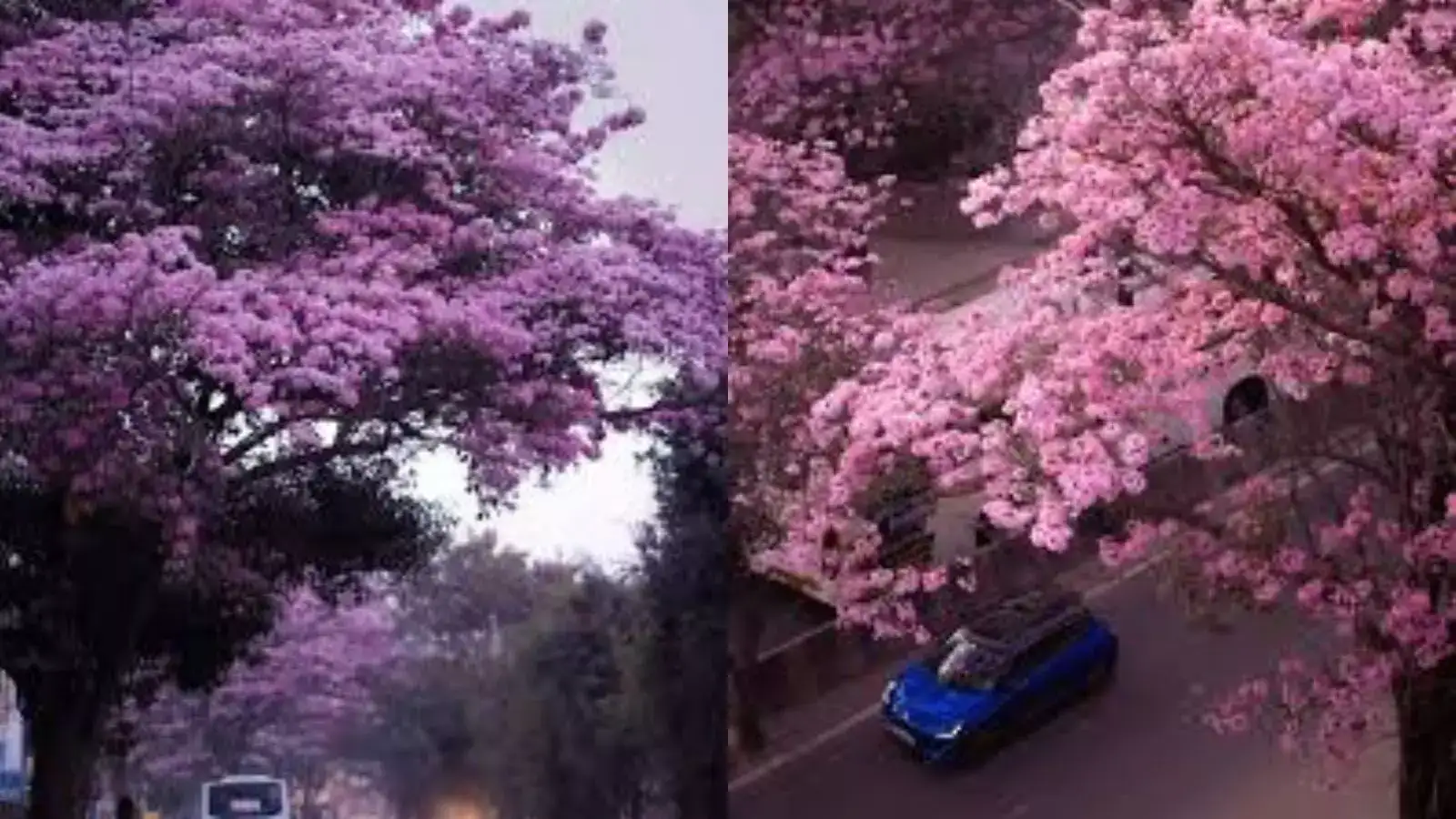
These well planned neighbourhoods are famous for their wide, tree lined streets. During the bloom season, many roads turn into tunnels of pink flowers. The 3rd and 4th blocks of Jayanagar are particularly known for this stunning effect. A slow drive or relaxed walk through these areas during mid March can reveal some of the city’s most beautiful floral views.
Yelahanka and Koramangala
Both Yelahanka and Koramangala have a large number of trumpet trees spread across their streets. Yelahanka, in particular, has several older trees that existed long before the area expanded into a major residential zone. These trees produce dense blooms that create impressive displays each spring.
Bannerghatta Road and the IIM Bangalore Area
The surroundings of the IIM Bangalore campus along Bannerghatta Road are also known for their flowering trees. The soft pink blossoms look especially striking against the campus architecture and green spaces nearby. The area makes a pleasant half day outing, especially if you combine the visit with a drive toward the Bannerghatta region.
Silk Board Junction
Silk Board Junction is usually known for heavy traffic, yet during bloom season it surprises visitors with rows of flowering trees. Seeing pink blossoms around one of the city’s busiest intersections feels almost surreal. It is a reminder that nature can still bring beauty even to the most unexpected urban spaces.
Kundanahalli Gate
For those who prefer quieter locations, Kundanahalli Gate offers a more relaxed experience. The area has a noticeable concentration of trumpet trees but does not attract the same crowds as major parks. This makes it a great place to admire the blossoms without the usual rush of visitors.
Why the Bloom Season Feels So Special
Bengaluru is often discussed in terms of traffic, rapid development and expanding technology hubs. While these realities shape the city, the annual bloom season tells a different story. Every year the trumpet trees flower with perfect timing, covering streets in pink regardless of the pace of urban life around them.
For a few weeks the city lives up to its long standing reputation as the Garden City. Residents pause during their daily commute to take photographs or simply look up at the flowers overhead.
A Short Season That Leaves a Lasting Memory
What makes the bloom even more special is its brief life. The flowers appear suddenly, transform entire neighbourhoods and then fade away within a few weeks. Petals gather on the ground for a short time before wind or rain clears them away.
Many people who have lived in the city for years often realise they have never truly stopped to admire the bloom. Each season offers another chance to notice it.
When the trees are in full flower, Bengaluru feels different. The streets soften, the air feels lighter and the city reveals a quieter kind of beauty. Those few weeks of pink remind everyone that even a fast moving city can still surprise you with moments of calm and wonder.
This seasonal transformation has become one of the most charming natural spectacles in an Indian urban landscape.
The Flowers That Create Bengaluru’s Pink Season
The trees responsible for this breathtaking display are known as Tabebuia, often mistaken for cherry blossom trees because of their pastel pink flowers and bare branches. The most commonly seen species is Tabebuia rosea, a tree native to Central and South America. It belongs to the Bignoniaceae family and produces trumpet shaped flowers that bloom in thick clusters.These trees usually grow between 20 and 30 feet tall and develop wide spreading canopies. During the flowering season, the leaves fall off almost completely, leaving branches covered entirely with blossoms. This creates the dramatic effect of pink clouds floating above city roads.
Bengaluru also hosts several other varieties of Tabebuia. The soft baby pink Tabebuia avellanedae, the deeper rose coloured Tabebuia rosea, and the bright yellow Tabebuia argentea all contribute to the colourful landscape. While the pink flowers attract the most attention, the yellow blooms bring a sunny contrast that brightens many neighbourhoods.
Apart from their beauty, these trees are environmentally valuable. They help absorb carbon dioxide, improve air quality and strengthen soil in areas that receive heavy rainfall. Historically, parts of the tree have also been used in traditional medicine.
How These Trees Arrived in Bengaluru
The story of how these trees reached Bengaluru dates back to the late nineteenth century during British colonial rule. When the British developed army cantonments and gardens around the city, they introduced several exotic plants and ornamental trees from different parts of the world. The rulers of the Mysore Kingdom were fascinated by these flowering trees and supported their cultivation across the city. Large numbers were planted in Lalbagh Botanical Garden and along major streets to enhance the beauty of Bengaluru.
Two European horticulturists played an important role in shaping the city’s greenery during that period. John Cameron and Gustav Hermann Krumbiegel worked as botanical experts and supervisors of Lalbagh. Their work helped transform Bengaluru into a city known for its well planned gardens and tree lined roads. Krumbiegel in particular influenced the planting style that still defines many of Bengaluru’s iconic avenues.
The Urban Planning That Made the Bloom Spectacular
While the trees were introduced earlier, their large scale presence across Bengaluru became more organised decades later. In 1980, renowned horticulturist and Indian Forest Officer S. G. Neginhal initiated a systematic programme to plant Tabebuia trees along city roads. Instead of planting them randomly, the trees were placed in long rows along avenues. This strategy ensured that when they bloom, entire roads flower at the same time. The result is the stunning canopy effect that turns several parts of the city pink every spring.
This thoughtful urban design decision is one of the reasons why the blooming season has become such a striking visual experience today.
A Foreign Flower That Became a Local Symbol
Although Tabebuia trees originally came from tropical regions of Central and South America, they have become deeply woven into Bengaluru’s identity. Many residents now look forward to the flowering season each year and consider it one of the city’s most special natural events.The pink bloom has also become popular on social media, where photographers and travellers share images of roads covered with petals and flowering trees arching above traffic.
In fact, technology enthusiasts in the city created an online bloom tracker where residents record sightings of flowering trees across different neighbourhoods. The interactive map helps people see where the bloom is currently at its peak and plan visits to the most colourful streets.
When the Pink Bloom Appears
The flowering season usually begins toward the end of December and continues until late March. However, the most dramatic display typically occurs around mid March when the trees lose most of their leaves and the branches are filled entirely with flowers. The exact timing can vary slightly depending on weather conditions. Cooler winters may delay the bloom while warmer and drier weather can cause it to appear earlier.
For those hoping to witness the city at its most colourful, planning a visit during mid March generally offers the best chance.
Best Time of Day to Enjoy the Flowers
Early morning is considered one of the best times to admire the pink canopy. The sunlight is softer, the streets are quieter and the petals are still fresh after falling overnight. Walking along tree lined roads at this time allows visitors to truly appreciate the beauty of the blossoms. Evenings can also be stunning. As the sun sets, golden light filters through the branches and petals, creating a dreamy tunnel effect along older avenues. The city looks calmer and more poetic during these hours.
A Brief Yet Beautiful Natural Spectacle
What makes this seasonal bloom so special is its short duration. The flowers appear suddenly, transform the landscape for a few weeks and then slowly disappear until the following year. During that brief window, Bengaluru reveals a softer and more romantic side of itself. Beneath the pink canopy of Tabebuia trees, the city reminds everyone that even in the middle of rapid urban growth, nature still has the power to surprise and delight.
Where to See Bengaluru’s Stunning Pink Blossom Season
For a few magical weeks every year, Bengaluru’s streets transform into a soft pink paradise as trumpet trees burst into bloom. The sight of petals drifting across roads and sidewalks creates a beautiful contrast to the city’s otherwise busy routine. If you want to experience this seasonal wonder, several places across the city offer unforgettable views of these delicate flowers. Cubbon Park
One of the most popular places to see the blooms is Cubbon Park. Established in 1870 and spread across nearly 300 acres, the park is home to many mature trumpet trees that create breathtaking pink canopies. The area near the Central Library is particularly beautiful during the flowering season. The tall trees form a roof of blossoms overhead while petals gather on the ground below, creating a peaceful and picturesque setting. Lalbagh Botanical Garden
Lalbagh Botanical Garden is another iconic location where visitors can enjoy the pink bloom. This historic garden has played a key role in introducing and nurturing many plant species in the city. During bloom season, trumpet trees across the garden create stunning floral displays. Walking through Lalbagh in the morning while the flowers are fresh is an experience many nature lovers cherish. Malleshwaram
Malleshwaram offers a unique way to enjoy the bloom because the trees blend seamlessly into everyday life. Pink flowers appear above busy vegetable markets, old homes and neighbourhood cafés. The blossoms feel less like a planned attraction and more like a natural part of the area’s charm. It is one of the most authentic ways to witness the seasonal beauty of the city. Jayanagar and Basavanagudi
These well planned neighbourhoods are famous for their wide, tree lined streets. During the bloom season, many roads turn into tunnels of pink flowers. The 3rd and 4th blocks of Jayanagar are particularly known for this stunning effect. A slow drive or relaxed walk through these areas during mid March can reveal some of the city’s most beautiful floral views.You may also like
- Watermelons scattered on road after lorry overturns near Doddaballapur
- Did Yami Gautam Like A Video Questioning Kriti Sanon's Best Actress Win?
- Assam Congress MLAs Kamalakhya De Purakayastha, Sashikanta Das, Basanta Das join ruling BJP ahead of assembly polls
- Lokayukta raids govt officials in Karnataka
- Woman dies by suicide in Bengaluru over alleged dowry harassment
Yelahanka and Koramangala
Both Yelahanka and Koramangala have a large number of trumpet trees spread across their streets. Yelahanka, in particular, has several older trees that existed long before the area expanded into a major residential zone. These trees produce dense blooms that create impressive displays each spring. Bannerghatta Road and the IIM Bangalore Area
The surroundings of the IIM Bangalore campus along Bannerghatta Road are also known for their flowering trees. The soft pink blossoms look especially striking against the campus architecture and green spaces nearby. The area makes a pleasant half day outing, especially if you combine the visit with a drive toward the Bannerghatta region. Silk Board Junction
Silk Board Junction is usually known for heavy traffic, yet during bloom season it surprises visitors with rows of flowering trees. Seeing pink blossoms around one of the city’s busiest intersections feels almost surreal. It is a reminder that nature can still bring beauty even to the most unexpected urban spaces. Kundanahalli Gate
For those who prefer quieter locations, Kundanahalli Gate offers a more relaxed experience. The area has a noticeable concentration of trumpet trees but does not attract the same crowds as major parks. This makes it a great place to admire the blossoms without the usual rush of visitors. Why the Bloom Season Feels So Special
Bengaluru is often discussed in terms of traffic, rapid development and expanding technology hubs. While these realities shape the city, the annual bloom season tells a different story. Every year the trumpet trees flower with perfect timing, covering streets in pink regardless of the pace of urban life around them. For a few weeks the city lives up to its long standing reputation as the Garden City. Residents pause during their daily commute to take photographs or simply look up at the flowers overhead.
A Short Season That Leaves a Lasting Memory
What makes the bloom even more special is its brief life. The flowers appear suddenly, transform entire neighbourhoods and then fade away within a few weeks. Petals gather on the ground for a short time before wind or rain clears them away. Many people who have lived in the city for years often realise they have never truly stopped to admire the bloom. Each season offers another chance to notice it.
When the trees are in full flower, Bengaluru feels different. The streets soften, the air feels lighter and the city reveals a quieter kind of beauty. Those few weeks of pink remind everyone that even a fast moving city can still surprise you with moments of calm and wonder.






More from our partners


Loving Newspoint? Download the app now
