
Which City Is Known as India's Leather Capital? Here's Why It Is Famous

India has a rich history of leather craftsmanship, with several cities contributing to its manufacturing and export industry. However, Kanpur, Uttar Pradesh, is widely known as India's Leather Capital because of its long-standing tannery industry, skilled artisans and extensive leather manufacturing network. From durable footwear and stylish accessories to military saddles and harnesses, the city has built a strong reputation in the leather trade over several generations. Its colonial-era industrial roots, specialised craftsmanship and large-scale production facilities have made Kanpur an important name in India's leather industry.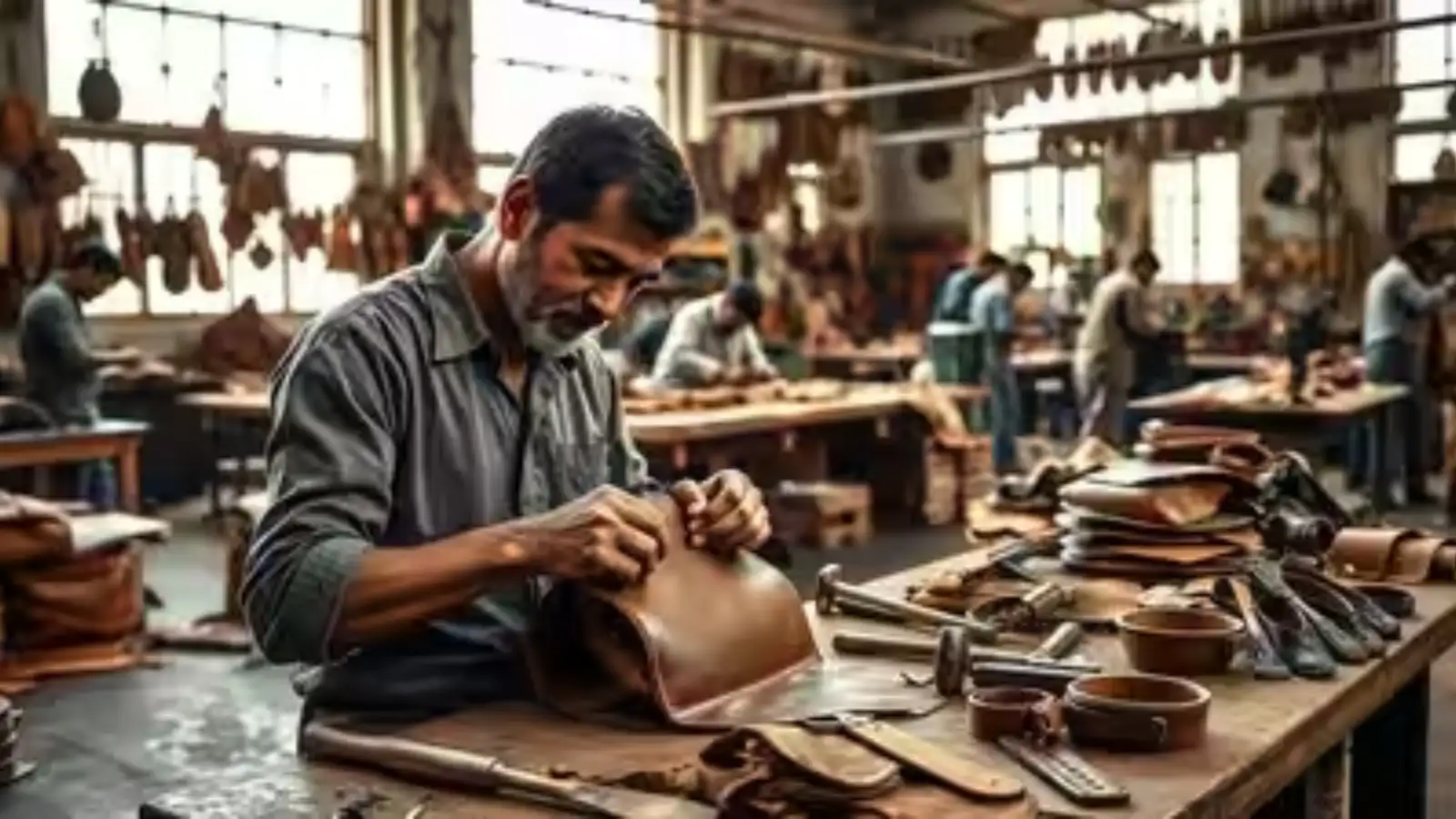
Kanpur's journey as a leather manufacturing hub gained momentum during the 19th century under British rule. Military establishments in the region required large quantities of leather boots, saddles, harnesses and other equipment. This growing demand encouraged local entrepreneurs and manufacturers to establish workshops and factories.
One of the notable establishments from this period was the British India Corporation's Harness Factory. Its contribution to military leather production helped strengthen Kanpur's position in the industry and laid the foundation for its specialised manufacturing capabilities.
Local manufacturers became skilled in producing saddles, bridles, reins, harnesses and other leather goods required for military and transport purposes.
During British rule and the two World Wars, the demand for such equipment increased considerably. Manufacturers in the city developed specialised techniques to produce durable leather products that could withstand demanding conditions.
This expertise gradually became an important part of Kanpur's industrial identity. Even today, the city retains a strong presence in the saddlery business, with traditional craftsmanship continuing alongside modern production methods.
Jajmau houses numerous tanneries and leather-processing facilities where raw hides and skins are converted into usable leather. The processed material is then supplied to manufacturers producing footwear, bags, belts, accessories and various industrial products.
The concentration of tanning and processing businesses has made Jajmau a crucial part of Kanpur's leather supply chain. It also supports several related businesses and provides employment to people involved in different stages of leather production.
These facilities undertake different stages of leather processing, including the treatment of raw hides, semi-finished leather production and the preparation of finished leather.
This extensive network allows manufacturers to source processed materials and supply products to different markets. The presence of businesses handling multiple stages of production has helped Kanpur maintain its position as a major leather manufacturing destination.
Buffalo hides are processed into finished leather that is used in several product categories, including footwear, industrial shoes, saddlery and leather accessories. The city's established tanning facilities and processing expertise have helped manufacturers develop a strong presence in this segment.
This specialisation also gives Kanpur an important advantage in supplying leather materials to different manufacturing businesses across the country and overseas.
The city is particularly recognised for its sole leather and safety footwear manufacturing. While everyday shoes cater to regular consumers, industrial footwear is designed for workers who need durable and protective shoes in demanding work environments.
Both large manufacturing companies and smaller enterprises contribute to this sector, helping Kanpur serve different customer segments and market requirements.
Local businesses produce a variety of products, such as wallets, handbags, belts and other leather accessories. These items are supplied to Indian consumers as well as international buyers.
The availability of processed leather, an established supply chain and experienced workers allows manufacturers to operate across multiple product categories. This diversity has helped the city maintain its relevance in the domestic and global leather markets.
Saddlery manufacturing, in particular, demands precision and attention to detail because products such as saddles and harnesses must be strong, durable and properly constructed.
Many of these skills have been passed down through generations of workers and artisans. While modern machinery and manufacturing technologies have improved production capabilities, traditional craftsmanship continues to play an important role in the city's leather industry.
The state's leather manufacturing network also includes other important centres such as Agra, Unnao and Noida, each contributing to different segments of the industry.
According to a July 2026 report by India Today, leather exports from the Kanpur region had increased to nearly Rs 7,000 crore. This figure highlights the region's growing importance in India's leather trade and its contribution to the country's export economy.
Government-supported initiatives and proposed industrial developments, including the Mega Leather Cluster project, are expected to strengthen the region's manufacturing ecosystem.
Improving infrastructure, adopting efficient processing technologies and meeting environmental standards will be important for the industry's long-term growth.
With its established tannery network, footwear manufacturing capabilities, saddlery expertise and experienced workforce, Kanpur continues to hold an important position in India's leather sector.
How Did Kanpur Become India's Leather Capital?
Situated along the banks of the Ganga in Uttar Pradesh, Kanpur has been one of India's prominent industrial centres for decades. The city was once popularly called the 'Manchester of the East' because of its flourishing textile mills. Over time, however, leather manufacturing emerged as another major pillar of its economy.Kanpur's journey as a leather manufacturing hub gained momentum during the 19th century under British rule. Military establishments in the region required large quantities of leather boots, saddles, harnesses and other equipment. This growing demand encouraged local entrepreneurs and manufacturers to establish workshops and factories.
One of the notable establishments from this period was the British India Corporation's Harness Factory. Its contribution to military leather production helped strengthen Kanpur's position in the industry and laid the foundation for its specialised manufacturing capabilities.
The Colonial-Era Connection With Saddlery
Kanpur's leather industry initially developed a strong association with saddlery and equestrian equipment.Local manufacturers became skilled in producing saddles, bridles, reins, harnesses and other leather goods required for military and transport purposes.
During British rule and the two World Wars, the demand for such equipment increased considerably. Manufacturers in the city developed specialised techniques to produce durable leather products that could withstand demanding conditions.
This expertise gradually became an important part of Kanpur's industrial identity. Even today, the city retains a strong presence in the saddlery business, with traditional craftsmanship continuing alongside modern production methods.
Jajmau: The Heart of Kanpur's Leather Industry
When discussing Kanpur's leather industry, Jajmau deserves special attention. Located on the outskirts of the city, this area is one of the most recognised leather manufacturing and tanning clusters in the region.Jajmau houses numerous tanneries and leather-processing facilities where raw hides and skins are converted into usable leather. The processed material is then supplied to manufacturers producing footwear, bags, belts, accessories and various industrial products.
The concentration of tanning and processing businesses has made Jajmau a crucial part of Kanpur's leather supply chain. It also supports several related businesses and provides employment to people involved in different stages of leather production.
More Than 400 Tanneries Support the Industry
The size of Kanpur's leather manufacturing ecosystem is reflected in the number of tanning units operating across the region. According to a sectoral report by the Bureau of Energy Efficiency (BEE), the Kanpur leather cluster has more than 400 tannery units spread across areas such as Jajmau, Unnao and Banthar.These facilities undertake different stages of leather processing, including the treatment of raw hides, semi-finished leather production and the preparation of finished leather.
This extensive network allows manufacturers to source processed materials and supply products to different markets. The presence of businesses handling multiple stages of production has helped Kanpur maintain its position as a major leather manufacturing destination.
Why Is Kanpur Famous for Buffalo Leather ?
One of the distinguishing features of Kanpur's leather industry is its specialisation in buffalo-based leather production. According to the Bureau of Energy Efficiency's sectoral report, Kanpur is India's largest centre for buffalo-based leather.Buffalo hides are processed into finished leather that is used in several product categories, including footwear, industrial shoes, saddlery and leather accessories. The city's established tanning facilities and processing expertise have helped manufacturers develop a strong presence in this segment.
This specialisation also gives Kanpur an important advantage in supplying leather materials to different manufacturing businesses across the country and overseas.
From Everyday Shoes to Industrial Footwear
Footwear is among the most prominent products associated with Kanpur's leather industry. Manufacturers in the city produce a wide variety of products, including formal shoes, casual footwear, sandals, chappals, shoe uppers and industrial footwear.The city is particularly recognised for its sole leather and safety footwear manufacturing. While everyday shoes cater to regular consumers, industrial footwear is designed for workers who need durable and protective shoes in demanding work environments.
Both large manufacturing companies and smaller enterprises contribute to this sector, helping Kanpur serve different customer segments and market requirements.
Leather Bags, Belts and Other Accessories
Kanpur's leather industry extends well beyond footwear. The city also has an established manufacturing base for leather accessories and finished goods.Local businesses produce a variety of products, such as wallets, handbags, belts and other leather accessories. These items are supplied to Indian consumers as well as international buyers.
The availability of processed leather, an established supply chain and experienced workers allows manufacturers to operate across multiple product categories. This diversity has helped the city maintain its relevance in the domestic and global leather markets.
Skilled Artisans Keep Traditional Craftsmanship Alive
Behind Kanpur's leather manufacturing success is a workforce with specialised skills and years of practical experience. Producing quality leather goods requires expertise in several processes, including cutting, stitching, shaping, finishing and assembling.Saddlery manufacturing, in particular, demands precision and attention to detail because products such as saddles and harnesses must be strong, durable and properly constructed.
Many of these skills have been passed down through generations of workers and artisans. While modern machinery and manufacturing technologies have improved production capabilities, traditional craftsmanship continues to play an important role in the city's leather industry.
Kanpur's Contribution to India's Leather Exports
Kanpur is an important contributor to Uttar Pradesh's leather export industry. Its manufacturers supply finished leather, footwear, saddlery and various leather accessories to international markets.The state's leather manufacturing network also includes other important centres such as Agra, Unnao and Noida, each contributing to different segments of the industry.
According to a July 2026 report by India Today, leather exports from the Kanpur region had increased to nearly Rs 7,000 crore. This figure highlights the region's growing importance in India's leather trade and its contribution to the country's export economy.
What Is the Future of Kanpur's Leather Industry?
Despite its long industrial history, Kanpur's leather sector is looking towards modernisation to remain competitive in international markets. Manufacturers are increasingly focusing on improved production infrastructure, advanced machinery, better product quality and environmental compliance.Government-supported initiatives and proposed industrial developments, including the Mega Leather Cluster project, are expected to strengthen the region's manufacturing ecosystem.
Improving infrastructure, adopting efficient processing technologies and meeting environmental standards will be important for the industry's long-term growth.
With its established tannery network, footwear manufacturing capabilities, saddlery expertise and experienced workforce, Kanpur continues to hold an important position in India's leather sector.
Why Is Kanpur Called the Leather Capital of India ?
Kanpur earned the title of India's Leather Capital because of its extensive tannery network, colonial-era leather manufacturing history, specialised buffalo leather production and large-scale footwear and saddlery businesses. Its contribution to domestic manufacturing and international exports has further strengthened this identity. Even as the industry embraces modern technology, Kanpur's traditional craftsmanship and industrial expertise continue to make it one of India's most recognised leather manufacturing hubs.Next Story