
From Hindi to Tamil, AI learns India's voice: IIT Bombay launches BharatGen, a model built for the nation's languages and people


AI is growing fast around the globe, but the language has been an issue for many people using such technologies. To overcome this problem, the Indian Institute of Technology Bombay has unveiled BharatGen .
BharatGen is a local AI venture that will help Indians comprehend and use multiple languages. This innovative initiative was started during Bharat Innovates 2026 held in Nice, France from June 14-16. This initiative has been created by the Computer Science and Engineering department of IIT Bombay . It intends to develop AI solutions that will help in communication, analysis, and creation of content in different Indian languages .
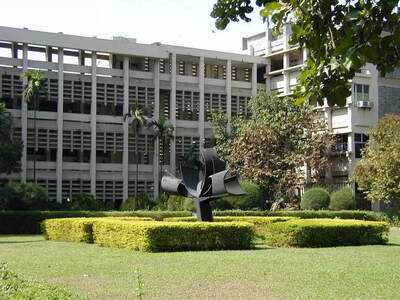
Led by Professor Ganesh Ramakrishnan, the initiative brings together a consortium of nine leading academic institutions. A team of more than 60 researchers, engineers, and linguists is working to build AI models covering all 22 scheduled Indian languages across text, speech, and document-based applications.
BharatGen’s AI models focus on Indian language needs
Param2 is the basic building block of BharatGen, which is an AI model capable of functions like reasoning, coding, and calling various tools. The model has been trained to work in all the scheduled Indian languages to allow interaction with AI in the language users prefer to use.
In addition, BharatGen also features Shrutam2, which is an AI model that converts spoken Indian languages into text format. There is yet another model named Sooktam2 that deals with text-to-speech technology and offers a zero-shot voice cloning facility.
BharatGen also features Patram, a document vision model created to understand Indian-specific documents. The model is expected to support applications where reading and processing regional documents is essential.
AI solutions for governance, education and healthcare
The developers behind BharatGen believe that AI must move beyond limited language access and become useful for everyday needs. The initiative is being developed for applications across sectors such as governance, healthcare, education, insurance, finance, and cultural preservation.
BharatGen is a local AI venture that will help Indians comprehend and use multiple languages. This innovative initiative was started during Bharat Innovates 2026 held in Nice, France from June 14-16. This initiative has been created by the Computer Science and Engineering department of IIT Bombay . It intends to develop AI solutions that will help in communication, analysis, and creation of content in different Indian languages .
Led by Professor Ganesh Ramakrishnan, the initiative brings together a consortium of nine leading academic institutions. A team of more than 60 researchers, engineers, and linguists is working to build AI models covering all 22 scheduled Indian languages across text, speech, and document-based applications.
BharatGen’s AI models focus on Indian language needs
Param2 is the basic building block of BharatGen, which is an AI model capable of functions like reasoning, coding, and calling various tools. The model has been trained to work in all the scheduled Indian languages to allow interaction with AI in the language users prefer to use.
In addition, BharatGen also features Shrutam2, which is an AI model that converts spoken Indian languages into text format. There is yet another model named Sooktam2 that deals with text-to-speech technology and offers a zero-shot voice cloning facility.
BharatGen also features Patram, a document vision model created to understand Indian-specific documents. The model is expected to support applications where reading and processing regional documents is essential.
AI solutions for governance, education and healthcare
The developers behind BharatGen believe that AI must move beyond limited language access and become useful for everyday needs. The initiative is being developed for applications across sectors such as governance, healthcare, education, insurance, finance, and cultural preservation.
Next Story