
Old Ganga River in India: Which River Is Called the Old Ganga and Why Is It Important?

The Old Ganga River in India is a fascinating part of the country’s vast river network, deeply tied to history, geography, and agriculture. Known for nourishing fertile plains and sustaining millions of lives, this river holds a unique identity within the mighty Ganga river system. But which river is actually called the Old Ganga? Let’s explore.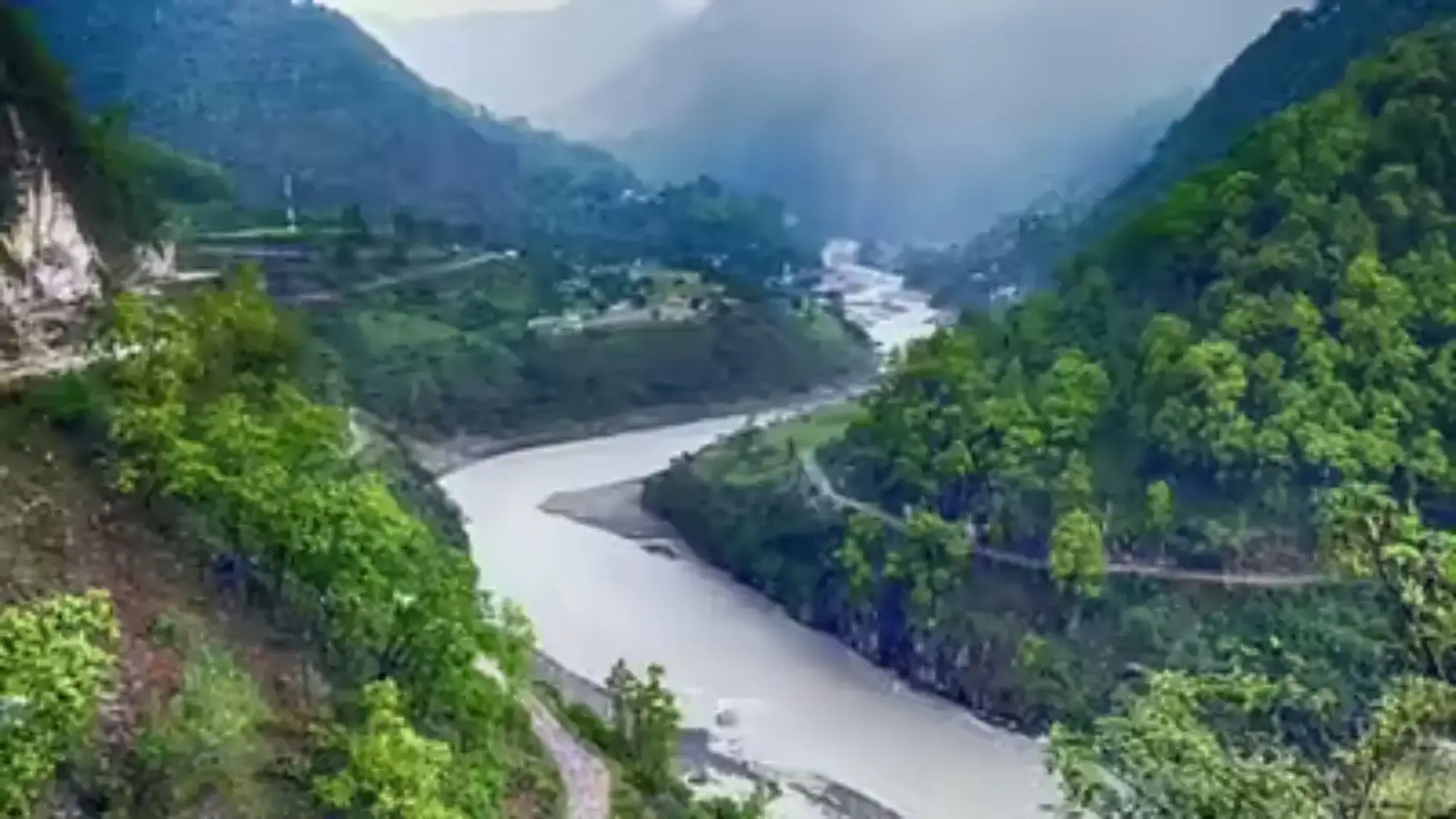
Which River Is Known as the Old Ganga?
The river famously referred to as the Old Ganga is the Ghaghara River. Originating from the glaciers of the Himalayas in Nepal, it flows into northern India before eventually merging with the Ganga River.
The Ghaghara carries a massive volume of water, fed by melting snow and seasonal rains, making it one of the most powerful and important tributaries of the Ganga.
Where Does the Old Ganga Flow in India?
After entering India, the Ghaghara River flows through the fertile plains of Uttar Pradesh and Bihar.
Finally, the river merges with the Ganga River, strengthening its overall flow.
Major Tributaries of the Ganga River
The Ganga river system is one of the largest in the world, supported by several important tributaries. Along with the Ghaghara River, other key tributaries include:
These rivers collectively play a crucial role in irrigation, farming, and sustaining livelihoods across northern India.
Why Is the Ghaghara Called the Old Ganga?
The name “Old Ganga” is linked to the river’s ancient connection with the Ganga River system.
This legacy is what gives the Ghaghara its unique identity as the Old Ganga.
Interesting Facts About the Old Ganga River
One of the Longest Tributaries
The Ghaghara River is among the longest tributaries of the Ganga and contributes a significant volume of water.
Origin in the Himalayas
It begins in the Himalayan glaciers, ensuring a continuous flow of water throughout the year.
Backbone of Agriculture
The river supports the cultivation of key crops such as rice, wheat, and sugarcane in northern India.
Creates Fertile Floodplains
Seasonal floods deposit nutrient-rich silt, improving soil fertility and boosting crop yields.
Flows Through Key States
The river passes through Uttar Pradesh and Bihar before joining the Ganga.
The Ghaghara River, known as the Old Ganga, is more than just a tributary—it is a lifeline for millions. From its Himalayan origins to its journey through fertile plains, the river continues to shape agriculture, culture, and livelihoods, making it an integral part of India’s river heritage.
Which River Is Known as the Old Ganga?
The river famously referred to as the Old Ganga is the Ghaghara River. Originating from the glaciers of the Himalayas in Nepal, it flows into northern India before eventually merging with the Ganga River.
The Ghaghara carries a massive volume of water, fed by melting snow and seasonal rains, making it one of the most powerful and important tributaries of the Ganga.
Where Does the Old Ganga Flow in India?
After entering India, the Ghaghara River flows through the fertile plains of Uttar Pradesh and Bihar.
- It supports irrigation and daily water needs in both rural and urban regions
- Deposits nutrient-rich soil along its banks
- Enhances agricultural productivity across vast farmlands
Finally, the river merges with the Ganga River, strengthening its overall flow.
Major Tributaries of the Ganga River
The Ganga river system is one of the largest in the world, supported by several important tributaries. Along with the Ghaghara River, other key tributaries include:
- Yamuna River
- Gandak River
- Kosi River
These rivers collectively play a crucial role in irrigation, farming, and sustaining livelihoods across northern India.
Why Is the Ghaghara Called the Old Ganga?
The name “Old Ganga” is linked to the river’s ancient connection with the Ganga River system.
- Historical accounts suggest it once followed older channels of the Ganga
- Over time, natural shifts in river courses changed its path
- Despite these changes, the traditional name remained widely used among local communities
This legacy is what gives the Ghaghara its unique identity as the Old Ganga.
Interesting Facts About the Old Ganga River
One of the Longest Tributaries
The Ghaghara River is among the longest tributaries of the Ganga and contributes a significant volume of water. Origin in the Himalayas
It begins in the Himalayan glaciers, ensuring a continuous flow of water throughout the year. Backbone of Agriculture
The river supports the cultivation of key crops such as rice, wheat, and sugarcane in northern India. Creates Fertile Floodplains
Seasonal floods deposit nutrient-rich silt, improving soil fertility and boosting crop yields. Flows Through Key States
The river passes through Uttar Pradesh and Bihar before joining the Ganga.The Ghaghara River, known as the Old Ganga, is more than just a tributary—it is a lifeline for millions. From its Himalayan origins to its journey through fertile plains, the river continues to shape agriculture, culture, and livelihoods, making it an integral part of India’s river heritage.
Next Story