
Planning a Germany trip? Here's how to apply for a Schengen visa


Germany remains one of the most visited destinations in Europe, attracting tourists, business travellers and people visiting family and friends. For citizens of countries that do not have a visa-free agreement with the Schengen Area, a Germany Schengen visa is required for short stays of up to 90 days.
The visa, officially known as the Schengen C Visa, allows travellers to visit Germany and other countries in the Schengen zone for tourism, sightseeing, leisure travel or family visits. The visa is generally valid for a maximum of 90 days within a 180-day period and may be issued as a single-entry, double-entry or multiple-entry visa depending on the applicant's circumstances.
Who needs a Germany tourist visa?
Travellers from countries such as India, China, Indonesia, the Philippines and South Africa must obtain a Schengen visa before travelling to Germany. Citizens of visa-free countries, including the United States, the United Kingdom, Japan, Australia and New Zealand, can visit Germany for up to 90 days without a visa.
However, visa-free travellers should note that an electronic travel authorisation requirement is expected to apply before travel to Germany from April 2027.
How to apply
Applicants must submit their visa request through a German embassy, consulate or an authorised visa application centre. In many countries, Germany works with visa service providers such as VFS Global and TLScontact to collect applications and biometric data.
The application process generally begins with completing the online visa form through Germany's VIDEX platform. Travellers must then book an appointment, gather the required documents and attend the appointment in person.
During the appointment, applicants provide fingerprints, photographs and supporting documents. Visa officers may also ask questions about the purpose of the trip, travel plans and financial arrangements.
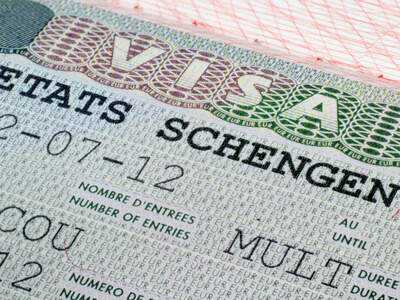
Once approved, the visa is placed as a sticker inside the applicant's passport, showing the authorised length of stay and number of entries permitted.
Documents required
A complete application package is essential to avoid delays or rejection.
Applicants typically need a valid passport, a completed and signed visa application form, two biometric photographs, proof of accommodation and evidence of travel plans such as flight bookings or itineraries.
Travel health insurance is mandatory and must provide emergency medical coverage of at least €30,000. Applicants must also submit proof that they can financially support themselves during their stay. This is usually demonstrated through bank statements or a sponsorship letter.
Those visiting relatives or friends may need to provide an invitation letter from their host in Germany.
Additional documents depend on the applicant's status. Employees may be asked for employment contracts and no-objection certificates from employers. Students may need proof of enrolment, while self-employed applicants can be required to submit business registration documents and financial records.
Important points to remember
A tourist visa does not permit employment in Germany. It is intended solely for short-term visits such as tourism, family visits and leisure travel.
Visa validity, length of stay and the number of entries are determined by the German authorities reviewing the application and can vary from one traveller to another.
Applicants should also be aware of the Schengen area's 90/180-day rule, which limits short-term stays across all Schengen countries combined.
For travellers planning a visit to Germany, early preparation, complete documentation and compliance with visa requirements remain the key steps to securing a smooth approval process.
The visa, officially known as the Schengen C Visa, allows travellers to visit Germany and other countries in the Schengen zone for tourism, sightseeing, leisure travel or family visits. The visa is generally valid for a maximum of 90 days within a 180-day period and may be issued as a single-entry, double-entry or multiple-entry visa depending on the applicant's circumstances.
Who needs a Germany tourist visa?
Travellers from countries such as India, China, Indonesia, the Philippines and South Africa must obtain a Schengen visa before travelling to Germany. Citizens of visa-free countries, including the United States, the United Kingdom, Japan, Australia and New Zealand, can visit Germany for up to 90 days without a visa.
However, visa-free travellers should note that an electronic travel authorisation requirement is expected to apply before travel to Germany from April 2027.
How to apply
Applicants must submit their visa request through a German embassy, consulate or an authorised visa application centre. In many countries, Germany works with visa service providers such as VFS Global and TLScontact to collect applications and biometric data.
The application process generally begins with completing the online visa form through Germany's VIDEX platform. Travellers must then book an appointment, gather the required documents and attend the appointment in person.
During the appointment, applicants provide fingerprints, photographs and supporting documents. Visa officers may also ask questions about the purpose of the trip, travel plans and financial arrangements.
Once approved, the visa is placed as a sticker inside the applicant's passport, showing the authorised length of stay and number of entries permitted.
Documents required
A complete application package is essential to avoid delays or rejection.
Applicants typically need a valid passport, a completed and signed visa application form, two biometric photographs, proof of accommodation and evidence of travel plans such as flight bookings or itineraries.
Travel health insurance is mandatory and must provide emergency medical coverage of at least €30,000. Applicants must also submit proof that they can financially support themselves during their stay. This is usually demonstrated through bank statements or a sponsorship letter.
Those visiting relatives or friends may need to provide an invitation letter from their host in Germany.
Additional documents depend on the applicant's status. Employees may be asked for employment contracts and no-objection certificates from employers. Students may need proof of enrolment, while self-employed applicants can be required to submit business registration documents and financial records.
Important points to remember
A tourist visa does not permit employment in Germany. It is intended solely for short-term visits such as tourism, family visits and leisure travel.
Visa validity, length of stay and the number of entries are determined by the German authorities reviewing the application and can vary from one traveller to another.
Applicants should also be aware of the Schengen area's 90/180-day rule, which limits short-term stays across all Schengen countries combined.
For travellers planning a visit to Germany, early preparation, complete documentation and compliance with visa requirements remain the key steps to securing a smooth approval process.
Next Story