
5 Anime That Inspired Naruto and Shaped Masashi Kishimoto’s Vision

Naruto became one of the most influential manga and anime series of its generation, inspiring countless artists and storytellers. However, before Masashi Kishimoto created Naruto Uzumaki and the world of hidden ninja villages, he was a fan learning from the manga and anime that had already transformed the industry.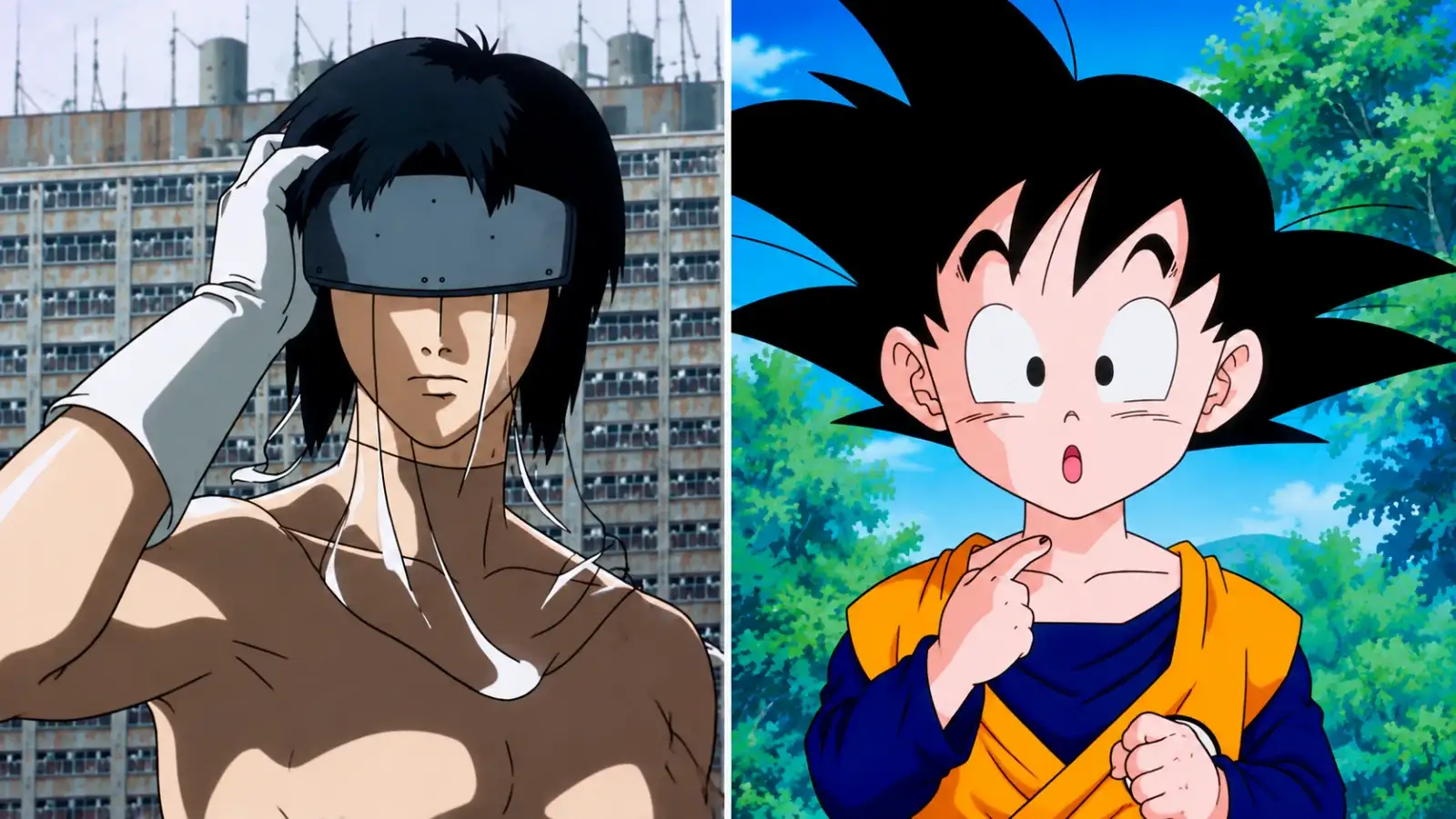
Kishimoto studied other creators to understand what made their work effective and to develop a distinctive style of his own. Some influences helped shape Naruto’s personality and character development, while others informed the series’ action sequences, visual storytelling and supernatural abilities.
Five anime stand out for the ways they helped shape the series that became one of the most recognisable names in shonen history.
Both characters begin their journeys with considerable room to grow. They repeatedly face opponents who appear far stronger than themselves, using each encounter as motivation to improve. Naruto’s progression from his early missions to the Chunin Exams and later confrontations with the Akatsuki follows this familiar battle-shonen structure.
Dragon Ball also demonstrated how humour could coexist with intense battles and emotional moments. Naruto developed its own mythology, characters and themes, but its balance of comedy, determination and escalating challenges reflects a storytelling approach that helped make Dragon Ball so influential.
The distinction makes the technique especially challenging to counter. Fighting several physical copies of an opponent requires a different strategy from dealing with visual illusions, creating a more complicated battle.
Yu Yu Hakusho’s influence can also be seen in its approach to combat. Battles frequently introduce seemingly overwhelming abilities before revealing ways that opponents might overcome them. Naruto uses a similar approach with techniques such as Neji’s Gentle Fist and Gaara’s automatic sand defence, encouraging viewers to consider how a seemingly unbeatable ability could be countered.
The Dark Tournament also helped establish the competitive battle structure that became familiar in shonen anime, providing a useful point of comparison for Naruto’s Chunin Exams.
That attention to detail is relevant to Naruto’s action sequences. Kishimoto often makes the physical positions and movements of characters easy to follow, allowing readers to understand how an attack unfolds rather than relying entirely on dramatic effects.
The surrounding environments also contribute to the action, giving battles a sense of physical space. This helps Naruto’s supernatural techniques feel more convincing because they operate within a world that remains visually coherent.
Akira demonstrated how manga and animation could achieve a cinematic quality without losing the strengths of their respective mediums. Studying that work helped Kishimoto develop his own approach to drawing movement, designing settings and presenting important confrontations.
Rather than simply repeating an existing interpretation of supernatural shinobi, Kishimoto needed to establish what would make Naruto different. The result was a world built around hidden villages, political hierarchies, personalised techniques and powerful ninja clans.
Chakra provided a shared foundation for the series’ supernatural abilities, while clan traditions allowed different families to develop distinctive skills passed down through generations. These elements gave Naruto’s ninja society a clear identity beyond its martial arts influences.
Ninku’s existence helped highlight the importance of differentiation. Naruto eventually established a version of the ninja world that was recognisable in its own right, supported by an extensive system of abilities, rivalries and village relationships.
However, Kishimoto has cited Ghost in the Shell among his inspirations. Its influence is best understood through visual storytelling rather than a direct connection to a particular Naruto character or technique.
Ghost in the Shell demonstrated how carefully staged animation could make complicated movement understandable. Characters occupy clear positions, actions follow readable directions, and the arrangement of each scene helps viewers follow what is happening.
Naruto applies similar principles to its fight sequences. Even when battles involve clones, elemental attacks or powerful supernatural abilities, the positioning of characters remains important to understanding the action.
Kishimoto drew inspiration from a wide range of animation and filmmaking, rather than limiting himself to traditional battle-shonen works. That broader visual education helped Naruto develop an action style that combined imaginative techniques with clear movement and spatial awareness.
Kishimoto studied other creators to understand what made their work effective and to develop a distinctive style of his own. Some influences helped shape Naruto’s personality and character development, while others informed the series’ action sequences, visual storytelling and supernatural abilities.
Five anime stand out for the ways they helped shape the series that became one of the most recognisable names in shonen history.
1. Dragon Ball Helped Shape Naruto’s Heroic Journey
Dragon Ball had a significant influence on Naruto, particularly in the way its main character develops over time. Like Goku, Naruto is energetic, impulsive and often comical, but he becomes serious when the people he cares about are threatened.Both characters begin their journeys with considerable room to grow. They repeatedly face opponents who appear far stronger than themselves, using each encounter as motivation to improve. Naruto’s progression from his early missions to the Chunin Exams and later confrontations with the Akatsuki follows this familiar battle-shonen structure.
Dragon Ball also demonstrated how humour could coexist with intense battles and emotional moments. Naruto developed its own mythology, characters and themes, but its balance of comedy, determination and escalating challenges reflects a storytelling approach that helped make Dragon Ball so influential.
2. Yu Yu Hakusho Inspired Naruto’s Shadow Clone Jutsu
Naruto’s Shadow Clone Jutsu is one of his most recognisable techniques, remaining useful throughout much of the story. Its origins are connected to Masashi Kishimoto’s admiration for Yu Yu Hakusho, particularly Suzaku’s ability to create real duplicates of himself rather than relying on afterimages.The distinction makes the technique especially challenging to counter. Fighting several physical copies of an opponent requires a different strategy from dealing with visual illusions, creating a more complicated battle.
Yu Yu Hakusho’s influence can also be seen in its approach to combat. Battles frequently introduce seemingly overwhelming abilities before revealing ways that opponents might overcome them. Naruto uses a similar approach with techniques such as Neji’s Gentle Fist and Gaara’s automatic sand defence, encouraging viewers to consider how a seemingly unbeatable ability could be countered.
The Dark Tournament also helped establish the competitive battle structure that became familiar in shonen anime, providing a useful point of comparison for Naruto’s Chunin Exams.
3. Akira Set an Artistic Standard for Kishimoto
Akira influenced Kishimoto’s understanding of manga art and visual storytelling. He was particularly impressed by its realistic character designs, detailed environments and extensive visual information. As a teenager, he reportedly obtained storyboards from the film and repeatedly copied them to study the artwork.That attention to detail is relevant to Naruto’s action sequences. Kishimoto often makes the physical positions and movements of characters easy to follow, allowing readers to understand how an attack unfolds rather than relying entirely on dramatic effects.
The surrounding environments also contribute to the action, giving battles a sense of physical space. This helps Naruto’s supernatural techniques feel more convincing because they operate within a world that remains visually coherent.
Akira demonstrated how manga and animation could achieve a cinematic quality without losing the strengths of their respective mediums. Studying that work helped Kishimoto develop his own approach to drawing movement, designing settings and presenting important confrontations.
You may also like
- Sanjay Mishra Visits Jagannath Temple in Puri, Wishes Amitabh Bachchan on His Birthday
- Viral Video Shows Female Fan In Tears After Shreyas Iyer's Cheap Dismissal In IND Vs WI 3rd T20I
- Suryakumar Yadav Fails To Fire On Return To Mumbai's Local Cricket, Scores Just 17 Off 10 Balls; VIDEO
- Daler Mehndi's son, singer Gurdeep Mehndi: Punjabi singing isn't only about high energy or hitting high notes; it's about melody
- 'Hanuman Ansh' actor Shobhinaw Satyaa praises Captain Smit Machchhar, says this story of bravery made us realise the power of 'Hanuman Chalisa'
4. Ninku Encouraged Naruto to Develop a Distinctive Ninja World
Ninku follows Fuusuke, a young martial artist who belongs to a group of warriors combining ninja techniques with hand-to-hand combat. Its premise presented an important creative challenge for Kishimoto as he developed his own ninja-focused manga.Rather than simply repeating an existing interpretation of supernatural shinobi, Kishimoto needed to establish what would make Naruto different. The result was a world built around hidden villages, political hierarchies, personalised techniques and powerful ninja clans.
Chakra provided a shared foundation for the series’ supernatural abilities, while clan traditions allowed different families to develop distinctive skills passed down through generations. These elements gave Naruto’s ninja society a clear identity beyond its martial arts influences.
Ninku’s existence helped highlight the importance of differentiation. Naruto eventually established a version of the ninja world that was recognisable in its own right, supported by an extensive system of abilities, rivalries and village relationships.
5. Ghost in the Shell Influenced Kishimoto’s Visual Storytelling
Ghost in the Shell and Naruto appear to belong to very different worlds. The former explores cyberpunk science fiction, artificial bodies and technologically enhanced minds, while the latter centres on ninja clans and supernatural combat.However, Kishimoto has cited Ghost in the Shell among his inspirations. Its influence is best understood through visual storytelling rather than a direct connection to a particular Naruto character or technique.
Ghost in the Shell demonstrated how carefully staged animation could make complicated movement understandable. Characters occupy clear positions, actions follow readable directions, and the arrangement of each scene helps viewers follow what is happening.
Naruto applies similar principles to its fight sequences. Even when battles involve clones, elemental attacks or powerful supernatural abilities, the positioning of characters remains important to understanding the action.
Kishimoto drew inspiration from a wide range of animation and filmmaking, rather than limiting himself to traditional battle-shonen works. That broader visual education helped Naruto develop an action style that combined imaginative techniques with clear movement and spatial awareness.






Loving Newspoint? Download the app now
