
9 Isekai Anime With Complete Endings Worth Watching

The isekai genre has become one of anime’s most popular categories, offering everything from magical kingdoms and supernatural battles to stories about identity, friendship and growing up. Although many series follow characters who are transported to unfamiliar worlds, the reasons behind their journeys can be remarkably different. Some focus on comedy and romance, while others explore loneliness, family relationships and the challenges of finding a place in the world.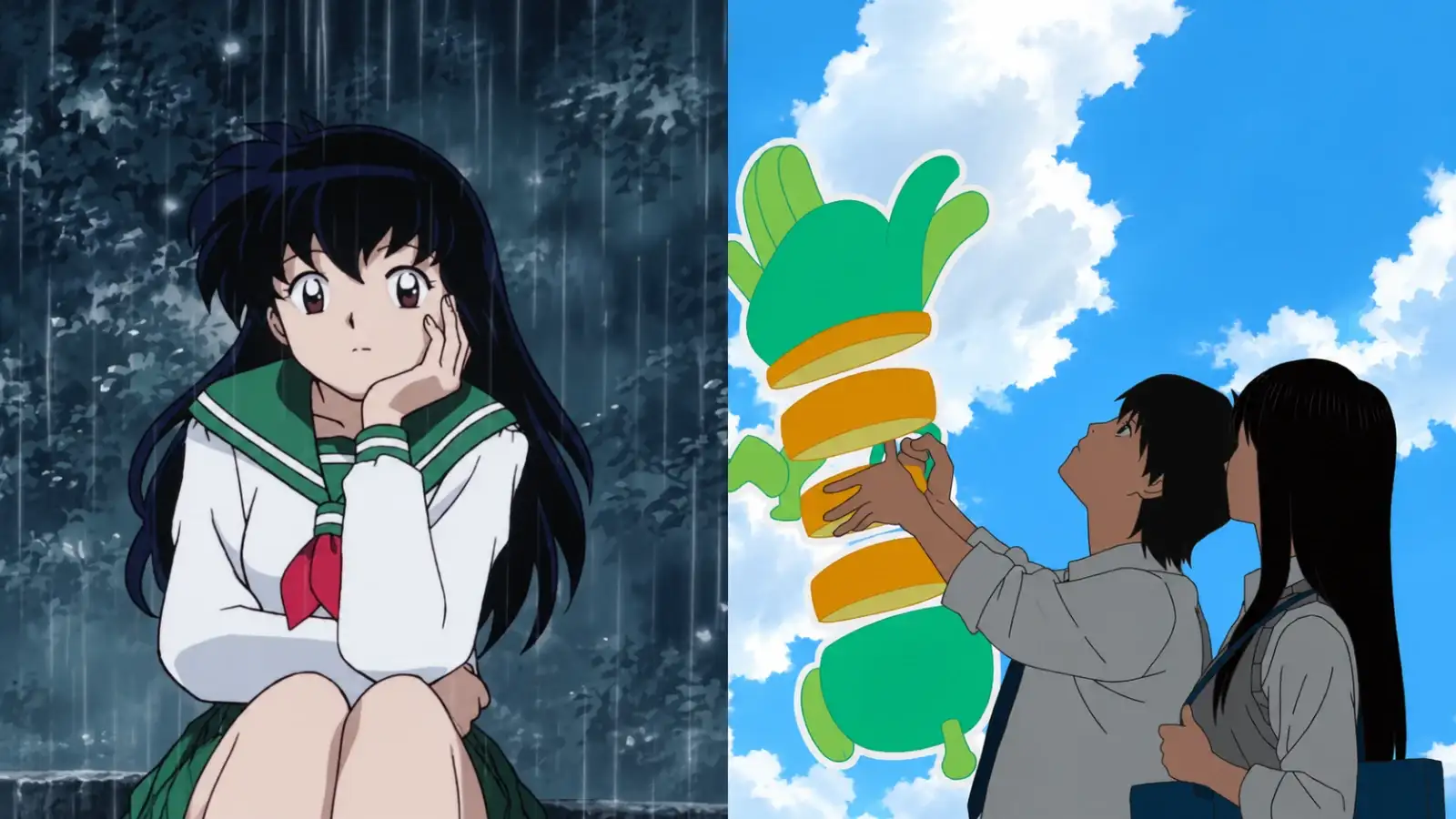
For viewers who prefer stories with a clear ending, completed anime can be particularly rewarding. Rather than waiting for another season or wondering whether an adaptation will ever finish its story, audiences can experience a journey from beginning to end. These nine isekai anime offer different interpretations of the genre, ranging from imaginative feature films to longer fantasy adventures.
Much of the story takes place inside a supernatural bathhouse, where Chihiro gradually learns to become more independent. Her experiences force her to think carefully, take responsibility and find the courage to make difficult decisions.
Released in 2001, the film tells a complete story within its runtime. Its fantasy setting provides plenty of visual wonder, but Chihiro’s emotional development remains at the centre of the narrative. The result is an enduring example of how an otherworldly adventure can become a meaningful coming-of-age story.
Their journey soon expands into a large-scale adventure involving demons, rival warriors, dangerous enemies and unexpected friendships. Kagome’s modern outlook also creates an interesting contrast with a historical world where supernatural abilities and physical strength often determine survival.
Romance and comedy provide balance to the action, while the relationship between Kagome and Inuyasha develops throughout their travels. The original anime began in 2000, and Inuyasha: The Final Act, which aired from 2009 to 2010, adapted the remaining manga storyline.
Together, the series and its concluding instalment offer a completed journey for viewers who enjoy long-form fantasy storytelling with emotional stakes.
Rather than becoming a traditional warrior, Shinichi receives the task of introducing Japanese popular culture to a society unfamiliar with it. His assignment creates opportunities for comedy while exploring cultural differences, social class and the challenges of sharing ideas across very different communities.
His relationships with Myucel and Petralka add emotional depth to the premise, ensuring that the series is more than a collection of jokes about otaku culture.
Released in 2013, Outbreak Company consists of 12 episodes. Its compact format makes it a practical choice for viewers looking for a short isekai series that approaches the genre from an unusual direction.
Their relationship begins with disagreements and clashing personalities. Over time, however, both characters learn important lessons about patience, responsibility and the difficulties of understanding someone different from themselves.
The film features spectacular fights and imaginative creatures, but its emotional centre is the bond between a troubled child and an unconventional father figure. Ren’s journey is as much about growing up and dealing with loss as it is about becoming stronger.
Released in 2015, the film delivers a complete story that combines fantasy action with a grounded exploration of family and belonging.
His journey exposes him to dangerous challenges that gradually reshape his understanding of courage. Rather than presenting bravery as the absence of fear, the story suggests that it involves continuing despite uncertainty and accepting difficult truths.
The fantasy setting gives Wataru opportunities to grow, but the emotional weight comes from his struggle to confront reality and deal with loss.
As a self-contained adventure, Brave Story offers a different kind of isekai experience. Its young protagonist is not an overpowered hero but an ordinary boy whose experiences help him mature.
The series gradually shifts away from the conventional goal of simply finding a way home. Instead, Nagara and the other students must confront questions about freedom, responsibility, isolation and the choices people make when established structures disappear.
Released in 2021, the original anime runs for 12 episodes. Its storytelling is deliberately ambiguous, leaving several mysteries open to interpretation rather than explaining every unusual event.
That approach makes Sonny Boy a distinctive entry in the genre. Its surreal imagery and unusual settings support a deeper story about growing up, separation and discovering what matters when familiar surroundings disappear.
What initially appears to be an extraordinary opportunity soon becomes a demanding adventure. Ginta must develop his abilities, build friendships and confront a conflict that threatens the world around him.
The anime aired from 2005 to 2007, running for 102 episodes. Its extended length gives the story room to develop through battles, rivalries and character growth, making it suitable for viewers who enjoy traditional shonen storytelling.
The adaptation eventually moves beyond the manga and incorporates substantial original material. Nevertheless, the television series reaches its own conclusion, giving audiences an ending to its particular version of Ginta’s adventure.
Saito initially has little understanding of the society he has entered or why Louise summoned him. Their relationship begins with misunderstandings and comedy, but their circumstances gradually draw them into political conflicts, magical dangers and larger battles.
As the story progresses, Louise and Saito learn to depend on one another. Their changing relationship becomes the emotional foundation of a series that combines romance, humour and fantasy adventure.
The anime ran from 2006 to 2012 across four seasons. Its longer format allows the characters and their relationship to develop over time, making it a suitable choice for viewers who want an extended isekai story rather than a short standalone adventure.
What begins as an unusual experience becomes a journey through a colourful realm facing a serious crisis. Akane is not a conventional action hero, so her contribution depends on her courage, empathy and ability to build relationships with those she meets.
The film’s elaborate landscapes and unusual creatures create the feeling of stepping into an illustrated fantasy book. However, its visual appeal serves a larger purpose by placing Akane in situations that encourage her to trust herself and understand her own strengths.
As a complete theatrical adventure, The Wonderland provides a contained story with a clear central conflict. It is a useful option for viewers who prefer imaginative fantasy films with an emphasis on personal growth.
For viewers who prefer stories with a clear ending, completed anime can be particularly rewarding. Rather than waiting for another season or wondering whether an adaptation will ever finish its story, audiences can experience a journey from beginning to end. These nine isekai anime offer different interpretations of the genre, ranging from imaginative feature films to longer fantasy adventures.
1. Spirited Away Turns a Strange World Into a Coming-of-Age Story
Studio Ghibli’s Spirited Away follows Chihiro, a young girl who enters a mysterious spirit world after her parents are transformed into pigs. Suddenly separated from everything familiar, she must navigate an unfamiliar environment filled with spirits, strange creatures and rules she does not understand.Much of the story takes place inside a supernatural bathhouse, where Chihiro gradually learns to become more independent. Her experiences force her to think carefully, take responsibility and find the courage to make difficult decisions.
Released in 2001, the film tells a complete story within its runtime. Its fantasy setting provides plenty of visual wonder, but Chihiro’s emotional development remains at the centre of the narrative. The result is an enduring example of how an otherworldly adventure can become a meaningful coming-of-age story.
2. Inuyasha Combines Time Travel, Romance and Supernatural Action
Inuyasha begins when Kagome Higurashi falls through a well and finds herself in Japan’s Sengoku period. There, she encounters Inuyasha, a half-demon whose fate is connected to the powerful Shikon Jewel.Their journey soon expands into a large-scale adventure involving demons, rival warriors, dangerous enemies and unexpected friendships. Kagome’s modern outlook also creates an interesting contrast with a historical world where supernatural abilities and physical strength often determine survival.
Romance and comedy provide balance to the action, while the relationship between Kagome and Inuyasha develops throughout their travels. The original anime began in 2000, and Inuyasha: The Final Act, which aired from 2009 to 2010, adapted the remaining manga storyline.
Together, the series and its concluding instalment offer a completed journey for viewers who enjoy long-form fantasy storytelling with emotional stakes.
3. Outbreak Company Makes Cultural Exchange Its Central Adventure
Shinichi Kanou is an unusual choice for an ambassador. His extensive knowledge of anime, manga and video games, however, becomes useful when he is transported to the fantasy Empire of Eldant.Rather than becoming a traditional warrior, Shinichi receives the task of introducing Japanese popular culture to a society unfamiliar with it. His assignment creates opportunities for comedy while exploring cultural differences, social class and the challenges of sharing ideas across very different communities.
His relationships with Myucel and Petralka add emotional depth to the premise, ensuring that the series is more than a collection of jokes about otaku culture.
Released in 2013, Outbreak Company consists of 12 episodes. Its compact format makes it a practical choice for viewers looking for a short isekai series that approaches the genre from an unusual direction.
4. The Boy and the Beast Explores an Unlikely Father-Son Relationship
Mamoru Hosoda’s The Boy and the Beast follows Ren, a boy who runs away from home and enters Jutengai, a world inhabited by powerful beasts. There, he meets Kumatetsu, a rough-edged warrior who becomes his reluctant mentor.Their relationship begins with disagreements and clashing personalities. Over time, however, both characters learn important lessons about patience, responsibility and the difficulties of understanding someone different from themselves.
The film features spectacular fights and imaginative creatures, but its emotional centre is the bond between a troubled child and an unconventional father figure. Ren’s journey is as much about growing up and dealing with loss as it is about becoming stronger.
Released in 2015, the film delivers a complete story that combines fantasy action with a grounded exploration of family and belonging.
5. Brave Story Follows a Young Boy on a Journey of Courage
The 2006 film Brave Story, based on Miyuki Miyabe’s novel, centres on Wataru Mitani, a young boy dealing with difficulties in his personal life. He enters a mysterious world populated by monsters and extraordinary creatures, hoping to change his circumstances and find a way forward.His journey exposes him to dangerous challenges that gradually reshape his understanding of courage. Rather than presenting bravery as the absence of fear, the story suggests that it involves continuing despite uncertainty and accepting difficult truths.
The fantasy setting gives Wataru opportunities to grow, but the emotional weight comes from his struggle to confront reality and deal with loss.
As a self-contained adventure, Brave Story offers a different kind of isekai experience. Its young protagonist is not an overpowered hero but an ordinary boy whose experiences help him mature.
6. Sonny Boy Turns an Alternate World Into a Psychological Journey
In Sonny Boy, a group of students suddenly finds itself drifting through strange dimensions, with their school separated from the reality they once knew. Some students develop supernatural abilities, while the unfamiliar worlds around them operate according to mysterious rules.The series gradually shifts away from the conventional goal of simply finding a way home. Instead, Nagara and the other students must confront questions about freedom, responsibility, isolation and the choices people make when established structures disappear.
Released in 2021, the original anime runs for 12 episodes. Its storytelling is deliberately ambiguous, leaving several mysteries open to interpretation rather than explaining every unusual event.
That approach makes Sonny Boy a distinctive entry in the genre. Its surreal imagery and unusual settings support a deeper story about growing up, separation and discovering what matters when familiar surroundings disappear.
7. MAR Delivers a Traditional Fantasy Adventure
MAR, also known as MÄR, follows Ginta Toramori, a boy who has long dreamed of entering a fantasy world. When he finally arrives in MAR-Heaven, he discovers a land filled with magical weapons, unusual creatures and dangerous opponents.What initially appears to be an extraordinary opportunity soon becomes a demanding adventure. Ginta must develop his abilities, build friendships and confront a conflict that threatens the world around him.
The anime aired from 2005 to 2007, running for 102 episodes. Its extended length gives the story room to develop through battles, rivalries and character growth, making it suitable for viewers who enjoy traditional shonen storytelling.
The adaptation eventually moves beyond the manga and incorporates substantial original material. Nevertheless, the television series reaches its own conclusion, giving audiences an ending to its particular version of Ginta’s adventure.
You may also like
- Kaun Banega Crorepati 18: Amitabh Bachchan shares heartwarming incident about music and speech challenges
- Madras High Court Halts Illegal Release of Rajinikanths Jailer 2
- Anupam Kher's 'Khosla Ka Ghosla 2' gets a new release date, to be out on 5th March 2027
- 'Ruhani & Dolma' to Premiere at Tasveer Film Festival in Seattle
- Australian MP Brad Battin shares selfie with Mamitha Baiju as she joins Malayali community for Onam; calls 'BKU' actress a 'down-to-earth superstar'
8. The Familiar of Zero Builds a Fantasy Story Around an Unexpected Summoning
In The Familiar of Zero, Louise Francoise Le Blanc de La Valliere attempts to summon a magical familiar but unexpectedly brings Saito Hiraga, an ordinary boy from Japan, into her world.Saito initially has little understanding of the society he has entered or why Louise summoned him. Their relationship begins with misunderstandings and comedy, but their circumstances gradually draw them into political conflicts, magical dangers and larger battles.
As the story progresses, Louise and Saito learn to depend on one another. Their changing relationship becomes the emotional foundation of a series that combines romance, humour and fantasy adventure.
The anime ran from 2006 to 2012 across four seasons. Its longer format allows the characters and their relationship to develop over time, making it a suitable choice for viewers who want an extended isekai story rather than a short standalone adventure.
9. The Wonderland Offers a Colourful Journey of Self-Discovery
Released in 2019, The Wonderland, also known as Birthday Wonderland, follows Akane, a young girl whose ordinary life changes when she encounters a mysterious world connected to her family’s antique shop.What begins as an unusual experience becomes a journey through a colourful realm facing a serious crisis. Akane is not a conventional action hero, so her contribution depends on her courage, empathy and ability to build relationships with those she meets.
The film’s elaborate landscapes and unusual creatures create the feeling of stepping into an illustrated fantasy book. However, its visual appeal serves a larger purpose by placing Akane in situations that encourage her to trust herself and understand her own strengths.
As a complete theatrical adventure, The Wonderland provides a contained story with a clear central conflict. It is a useful option for viewers who prefer imaginative fantasy films with an emphasis on personal growth.






Loving Newspoint? Download the app now
