
Adarsh Baal Vidyalaya Review: A Sincere Message Buried Under Familiar Storytelling

Films set in schools often carry the promise of inspiring stories about education, hope, and social change. Adarsh Baal Vidyalaya, starring the ever-reliable Kay Kay Menon, attempts to deliver such a message by exploring the challenges within India's education system. While the film deserves credit for tackling an important subject, it ultimately struggles to rise above predictable storytelling and heavy-handed moral lessons.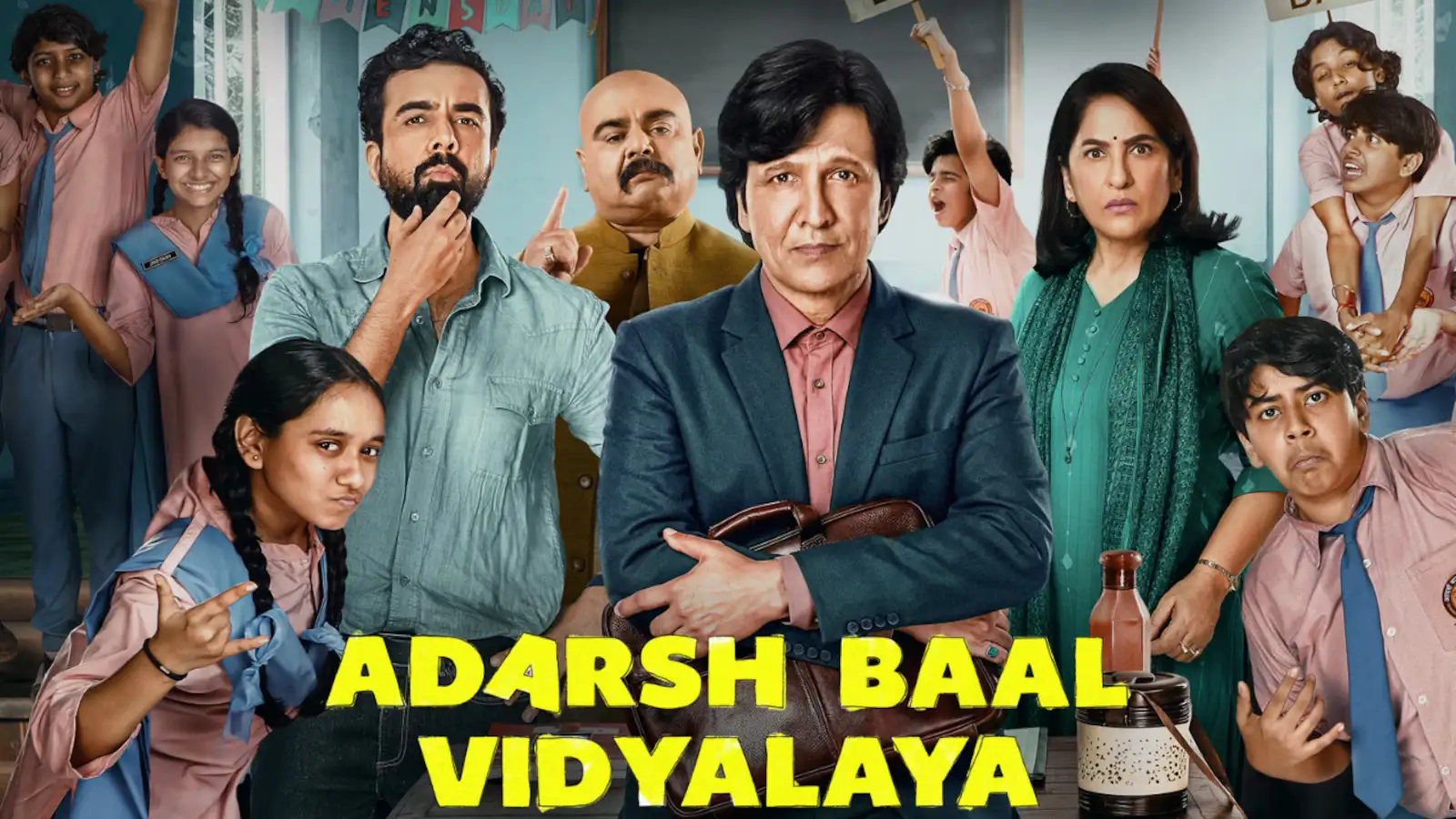
Directed as a socially conscious drama, Adarsh Baal Vidyalaya has its heart in the right place. Unfortunately, its reliance on familiar tropes and overly sentimental moments prevents it from making the emotional impact it clearly aims for.
The film revolves around a dedicated educator determined to transform the lives of underprivileged children through education. Faced with bureaucratic hurdles, societal inequalities, and institutional corruption, he fights to ensure that every child receives the opportunity to learn and dream.
The story explores issues such as unequal access to education, teacher-student relationships, and the importance of values in shaping young minds. While these themes remain relevant, the screenplay follows a predictable path, leaving little room for genuine surprises.
Known for bringing depth and authenticity to every role, Menon once again delivers a sincere and emotionally grounded performance. He portrays his character with restraint, avoiding unnecessary melodrama even when the screenplay leans heavily into emotional speeches.
His conviction helps elevate several scenes that otherwise feel formulaic. The actor's screen presence ensures that audiences remain invested despite the film's uneven writing.
The supporting cast performs adequately, with the child actors adding moments of innocence and warmth. However, many supporting characters remain underdeveloped and serve more as narrative devices than fully realized individuals.
Its intentions are unquestionably noble, and several classroom sequences successfully capture the emotional bond between teachers and students. The cinematography effectively portrays the school environment, while the background score complements the film's emotional tone without becoming distracting.
A few heartfelt moments genuinely resonate, particularly those involving children overcoming personal and social challenges.
Instead of allowing the story and characters to naturally convey its message, the film frequently relies on lengthy speeches and obvious moral lessons. This preachy approach reduces the emotional effectiveness of several key scenes.
The narrative also depends on familiar clichés seen in numerous education-based dramas. Predictable conflicts, conveniently timed resolutions, and one-dimensional antagonists make the overall experience feel repetitive.
The pacing suffers in the second half as emotional scenes begin to repeat similar ideas without adding meaningful character development.
The cinematography captures both the warmth and struggles of the school setting, while the editing keeps the narrative largely coherent despite occasional pacing issues. The music supports the emotional beats but rarely leaves a lasting impression.
Production values remain modest yet appropriate for the film's grounded subject matter.
Adarsh Baal Vidyalaya is a film driven by good intentions and anchored by another commendable performance from Kay Kay Menon. Its socially relevant message about education deserves appreciation, but the execution falls short due to an overly preachy screenplay, predictable storytelling, and excessive reliance on familiar cinematic formulas.
For viewers who enjoy issue-based dramas, the film may still offer a few touching moments. However, those expecting a fresh and emotionally powerful take on the education system may find themselves wishing for greater subtlety and originality.
Rating: 2.5/5
While Kay Kay Menon once again proves why he remains one of India's finest actors, Adarsh Baal Vidyalaya is ultimately let down by its inability to move beyond clichés, making it a well-meaning but largely forgettable social drama.
Directed as a socially conscious drama, Adarsh Baal Vidyalaya has its heart in the right place. Unfortunately, its reliance on familiar tropes and overly sentimental moments prevents it from making the emotional impact it clearly aims for.
The film revolves around a dedicated educator determined to transform the lives of underprivileged children through education. Faced with bureaucratic hurdles, societal inequalities, and institutional corruption, he fights to ensure that every child receives the opportunity to learn and dream.
The story explores issues such as unequal access to education, teacher-student relationships, and the importance of values in shaping young minds. While these themes remain relevant, the screenplay follows a predictable path, leaving little room for genuine surprises.
Kay Kay Menon Delivers Another Dependable Performance
If there is one reason to watch Adarsh Baal Vidyalaya, it is Kay Kay Menon.Known for bringing depth and authenticity to every role, Menon once again delivers a sincere and emotionally grounded performance. He portrays his character with restraint, avoiding unnecessary melodrama even when the screenplay leans heavily into emotional speeches.
His conviction helps elevate several scenes that otherwise feel formulaic. The actor's screen presence ensures that audiences remain invested despite the film's uneven writing.
The supporting cast performs adequately, with the child actors adding moments of innocence and warmth. However, many supporting characters remain underdeveloped and serve more as narrative devices than fully realized individuals.
What Works
The film deserves appreciation for highlighting the importance of quality education and equal opportunities for children.Its intentions are unquestionably noble, and several classroom sequences successfully capture the emotional bond between teachers and students. The cinematography effectively portrays the school environment, while the background score complements the film's emotional tone without becoming distracting.
A few heartfelt moments genuinely resonate, particularly those involving children overcoming personal and social challenges.
Where the Film Falls Short
The biggest weakness of Adarsh Baal Vidyalaya lies in its screenplay.Instead of allowing the story and characters to naturally convey its message, the film frequently relies on lengthy speeches and obvious moral lessons. This preachy approach reduces the emotional effectiveness of several key scenes.
The narrative also depends on familiar clichés seen in numerous education-based dramas. Predictable conflicts, conveniently timed resolutions, and one-dimensional antagonists make the overall experience feel repetitive.
You may also like
- I was just numb for five minutes: Vijay Ganguly on his National Award win
- When I am riding my bike, everything feels alive: Apurva Agnihotri
- Inside Pooja Hegde's Rs 45 crore Bandra home: A look at the 'Jana Nayagan' star's 4,000 sq ft sea-facing abode with live-edge dining, and chic pastel interiors
- Aruna Irani recalls 'Bombay to Goa's' first day shoot being called off as Amitabh Bachchan 'didn't know how to dance at all'
- In 1905, scientists introduced the word 'hormone,' transforming the study of animal growth and biology forever
The pacing suffers in the second half as emotional scenes begin to repeat similar ideas without adding meaningful character development.
Technical Aspects
The film is technically competent.The cinematography captures both the warmth and struggles of the school setting, while the editing keeps the narrative largely coherent despite occasional pacing issues. The music supports the emotional beats but rarely leaves a lasting impression.
Production values remain modest yet appropriate for the film's grounded subject matter.
Adarsh Baal Vidyalaya is a film driven by good intentions and anchored by another commendable performance from Kay Kay Menon. Its socially relevant message about education deserves appreciation, but the execution falls short due to an overly preachy screenplay, predictable storytelling, and excessive reliance on familiar cinematic formulas.
For viewers who enjoy issue-based dramas, the film may still offer a few touching moments. However, those expecting a fresh and emotionally powerful take on the education system may find themselves wishing for greater subtlety and originality.
Rating: 2.5/5
While Kay Kay Menon once again proves why he remains one of India's finest actors, Adarsh Baal Vidyalaya is ultimately let down by its inability to move beyond clichés, making it a well-meaning but largely forgettable social drama.






Loving Newspoint? Download the app now
