
"British Slaves Mentally": Annu Kapoor Defends Controversial Tamannaah Remark, Sparks Fresh Debate

Veteran actor Annu Kapoor has once again found himself at the centre of controversy after defending his widely criticised remark about actress Tamannaah Bhatia . Rather than issuing an apology, Kapoor doubled down on his comments, arguing that people who found them offensive are " British slaves mentally " and continue to judge Indian humour and speech through a colonial lens. His response has reignited conversations about celebrity accountability, freedom of expression , sexism and the evolving standards of public discourse. As clips of his statement spread rapidly across social media, the debate has moved beyond one controversial remark to raise broader questions about changing cultural values and the responsibilities that come with public influence.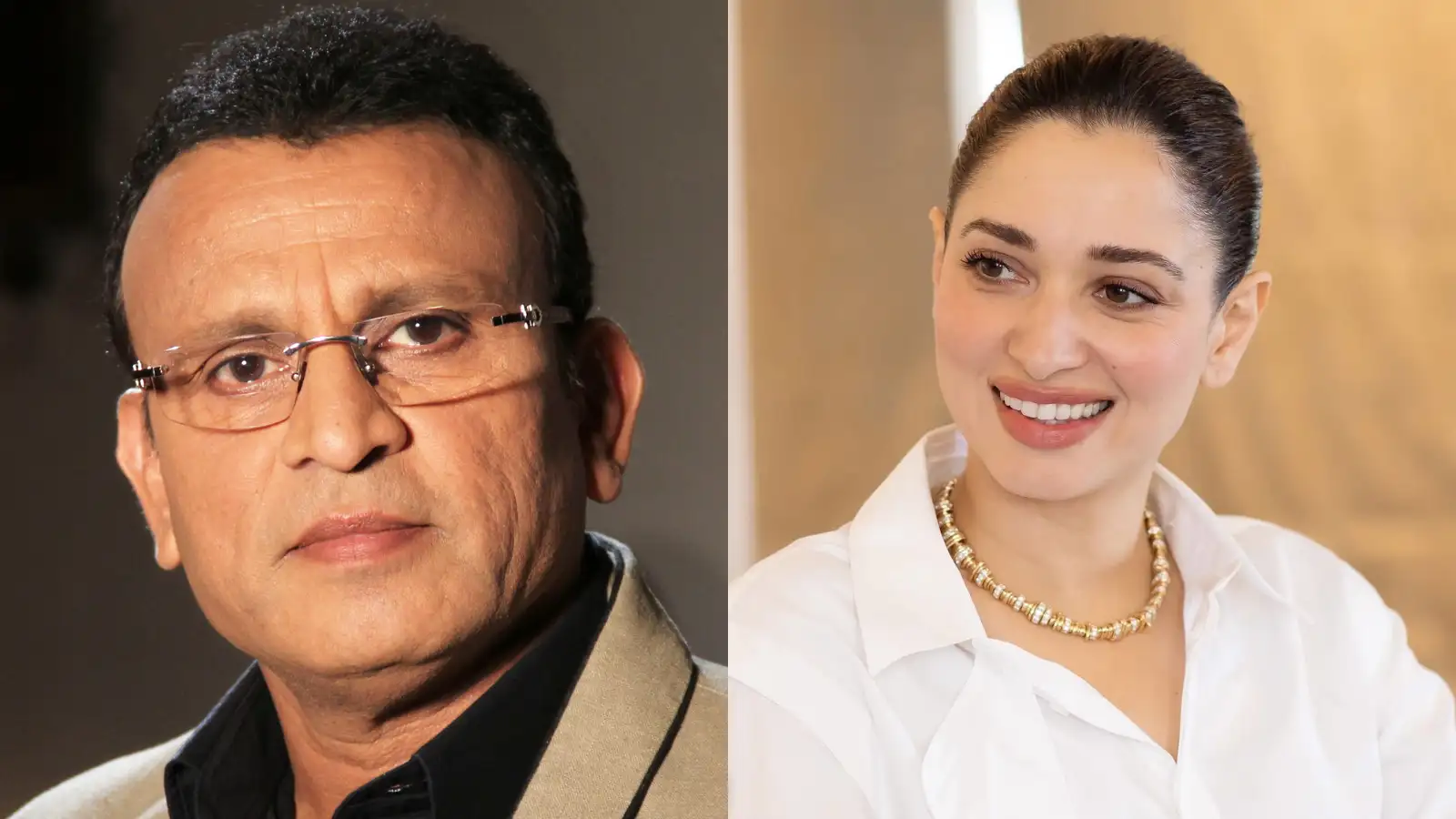
Instead of distancing himself from the statement, Kapoor defended his position in subsequent interactions. He argued that Indians have become overly sensitive and claimed that many people remain "British slaves mentally", suggesting that colonial influence has shaped how humour and language are perceived in modern India.
His remarks immediately fuelled another wave of criticism, with the discussion shifting from the original comment to his justification.
However, critics argue that invoking colonial history does not excuse remarks that many perceive as disrespectful towards women. They contend that changing social expectations are not simply borrowed Western values but reflect a growing awareness about dignity, equality and responsible public behaviour.
The debate highlights how historical arguments are increasingly being used in contemporary cultural discussions, particularly when celebrities face backlash.
Unlike previous decades, celebrities today are expected to be more mindful of their words because audiences actively scrutinise public appearances. While some users defended Kapoor's right to express himself, many others argued that freedom of speech should not be confused with freedom from criticism.
This constant public engagement has fundamentally changed how entertainment personalities communicate with audiences.
It also raises important questions about humour, gender sensitivity and cultural identity. As Indian society evolves, conversations around respect and representation continue to become more prominent across cinema, television and digital media.
The incident serves as a reminder that words spoken by influential personalities often shape public discourse far beyond the entertainment industry.
Whether one agrees with Annu Kapoor's defence or not, the controversy has sparked a meaningful conversation about accountability, free expression and the impact of public language. His "British slaves mentally" remark has transformed what began as criticism of a single comment into a wider debate about colonial legacy, cultural values and respect in contemporary India. In an era where every public statement is instantly amplified, the incident illustrates that celebrity opinions are no longer confined to interviews but become part of a much larger national conversation.
Annu Kapoor Doubles Down on Tamannaah Remark
The controversy began when Annu Kapoor made a crass remark involving Tamannaah Bhatia during a promotional interaction. The comment quickly attracted criticism online, with many social media users describing it as disrespectful and inappropriate. Several viewers questioned why female actors continue to be the subject of such remarks in public forums.Instead of distancing himself from the statement, Kapoor defended his position in subsequent interactions. He argued that Indians have become overly sensitive and claimed that many people remain "British slaves mentally", suggesting that colonial influence has shaped how humour and language are perceived in modern India.
His remarks immediately fuelled another wave of criticism, with the discussion shifting from the original comment to his justification.
The Colonial Mindset Argument
Kapoor's reference to a colonial mindset is not entirely new in India's public discourse. Politicians, academics and public figures have often spoken about the lingering influence of British rule on language, education and cultural attitudes.You may also like
- 'Seinfeld' star Jason Alexander issues apology after Courtney Stodden calls him out for 2012 skit: 'I truly regret it'
- Disney+ to premiere Julie Andrews documentary in 2027
- 'I'm shocked': Bhutanese woman travels on Vande Bharat sleeper train 6 months after launch, shares what she found
- Allu Arjun enjoys family vacation in Austria amid 'Raaka' shoot; Sneha Reddy shares pictures with Ayaan and Arha
- 'Heartbroken yet filled with hope': Alia Bhatt on students
However, critics argue that invoking colonial history does not excuse remarks that many perceive as disrespectful towards women. They contend that changing social expectations are not simply borrowed Western values but reflect a growing awareness about dignity, equality and responsible public behaviour.
The debate highlights how historical arguments are increasingly being used in contemporary cultural discussions, particularly when celebrities face backlash.
Social Media Amplifies Every Celebrity Statement
The Annu Kapoor Tamannaah controversy also demonstrates how quickly public opinion forms in the digital age. A comment made during an interview can be clipped, shared and debated by millions within hours.Unlike previous decades, celebrities today are expected to be more mindful of their words because audiences actively scrutinise public appearances. While some users defended Kapoor's right to express himself, many others argued that freedom of speech should not be confused with freedom from criticism.
This constant public engagement has fundamentally changed how entertainment personalities communicate with audiences.
Why the Debate Matters
The controversy goes beyond two film personalities. It reflects the changing relationship between celebrities and society, where public figures are increasingly held accountable for comments that might once have passed unnoticed.It also raises important questions about humour, gender sensitivity and cultural identity. As Indian society evolves, conversations around respect and representation continue to become more prominent across cinema, television and digital media.
The incident serves as a reminder that words spoken by influential personalities often shape public discourse far beyond the entertainment industry.
Whether one agrees with Annu Kapoor's defence or not, the controversy has sparked a meaningful conversation about accountability, free expression and the impact of public language. His "British slaves mentally" remark has transformed what began as criticism of a single comment into a wider debate about colonial legacy, cultural values and respect in contemporary India. In an era where every public statement is instantly amplified, the incident illustrates that celebrity opinions are no longer confined to interviews but become part of a much larger national conversation.






Loving Newspoint? Download the app now
