
Dangerous Wedding Prank Leaves Bridesmaid Permanently Disabled, Court Awards Rs 32 Lakh Compensation

What was meant to be a joyful wedding celebration turned into a life-altering tragedy after a dangerous prank left a bridesmaid with permanent injuries. In a landmark ruling, a court in the United Kingdom has awarded the victim approximately £27,000 (around Rs 32 lakh) in compensation, holding those responsible accountable for the devastating consequences of the incident.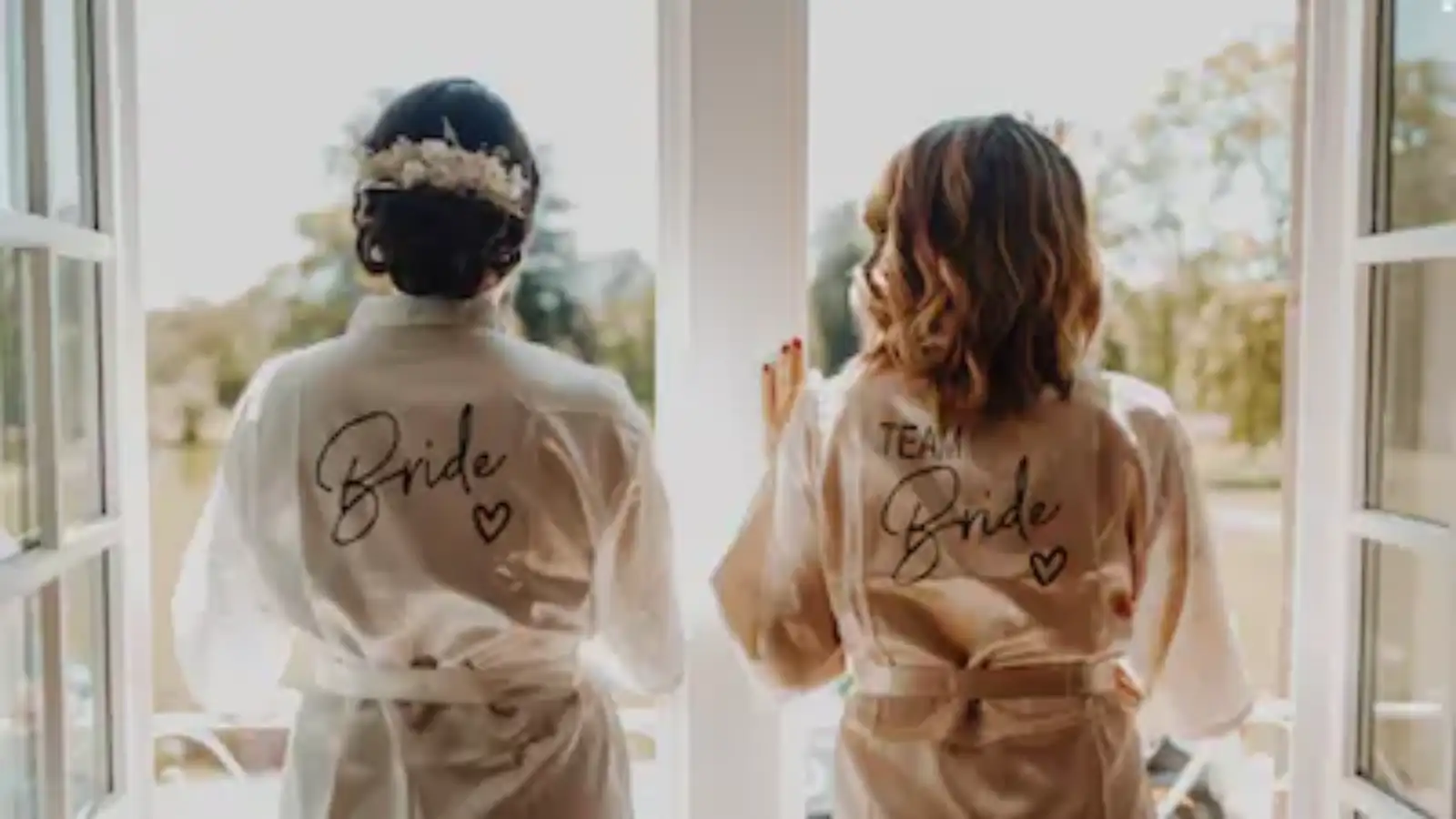
The case has sparked renewed debate about the growing trend of risky wedding stunts and practical jokes that can quickly spiral into serious accidents.
According to court documents, the woman was encouraged to sit on a chair while another guest unexpectedly pulled it away as part of a prank. She fell heavily to the floor, sustaining serious injuries to her back and spine.
Medical examinations later confirmed that the injuries had caused permanent disability, significantly affecting her mobility and quality of life. The woman has continued to experience chronic pain and physical limitations long after the wedding day. Reports indicate that the injuries have affected her ability to work and carry out routine daily activities independently.
The court heard that the prank was entirely avoidable and that those involved failed to appreciate the obvious risk of serious harm.
The judge observed that what may have been intended as harmless fun resulted in irreversible physical damage. The ruling underscored that individuals can be held legally responsible when reckless actions during social events cause serious injuries.
Legal experts say the judgment reinforces the principle that organisers and participants at private events still owe a duty of care to others.
The case has sparked renewed debate about the growing trend of risky wedding stunts and practical jokes that can quickly spiral into serious accidents.
What Happened?
The incident occurred during a wedding reception in the UK, where a prank involving a chair resulted in a bridesmaid suffering severe spinal injuries.According to court documents, the woman was encouraged to sit on a chair while another guest unexpectedly pulled it away as part of a prank. She fell heavily to the floor, sustaining serious injuries to her back and spine.
Medical examinations later confirmed that the injuries had caused permanent disability, significantly affecting her mobility and quality of life. The woman has continued to experience chronic pain and physical limitations long after the wedding day. Reports indicate that the injuries have affected her ability to work and carry out routine daily activities independently.
The court heard that the prank was entirely avoidable and that those involved failed to appreciate the obvious risk of serious harm.
Court Awards Compensation
Following legal proceedings, the court awarded the injured bridesmaid around £27,000 (approximately Rs 32 lakh) in compensation for her injuries, ongoing medical treatment, pain and suffering, and the long-term impact on her life.The judge observed that what may have been intended as harmless fun resulted in irreversible physical damage. The ruling underscored that individuals can be held legally responsible when reckless actions during social events cause serious injuries.
Legal experts say the judgment reinforces the principle that organisers and participants at private events still owe a duty of care to others.
Next Story