
Inspector Avinash Season 2 Review: Randeep Hooda Shines in an Intense and Emotion-Driven Crime Saga

In an Indian streaming landscape teeming with gritty, real-incident crime shows, the first season of Inspector Avinash carved out a unique spot by boldly using the real names of historic police figures and gangsters. The second season attempts to build on that raw foundation, expanding its canvas beyond Uttar Pradesh into Nepal, Bihar, and Odisha. However, as the scope widens, the narrative swaps the sharp, localized tension of the original for old-school Bollywood melodrama and overstuffed subplots.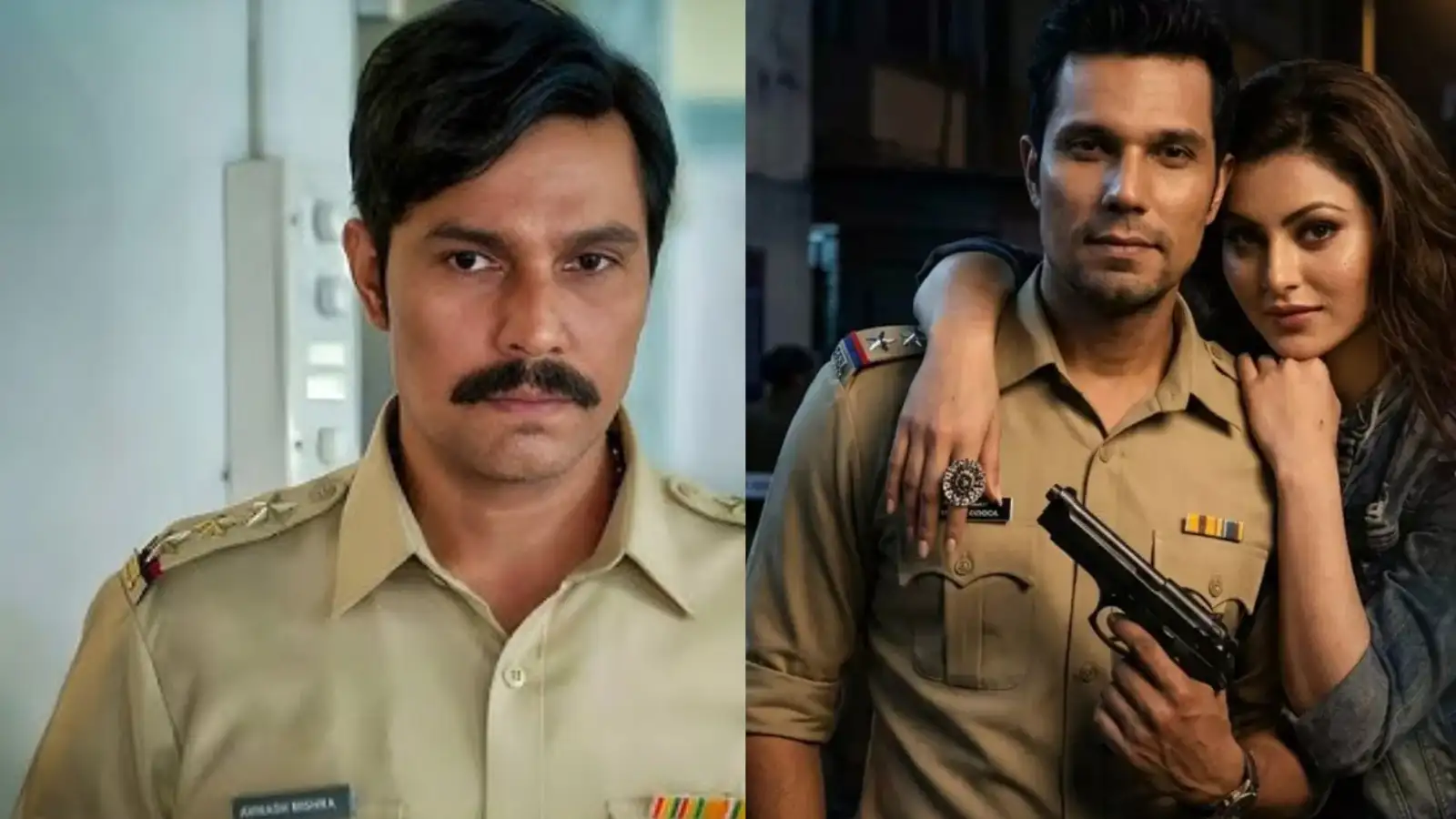
The most defining shift this season is its deeply personal direction. The narrative opens on an intense note with Avinash being accused of killing three innocent students. The stakes grow higher when his own son is accused of murder, causing his wife to walk out of their home demanding he leave the police force altogether. This layer of domestic collapse transforms the series from a reaction-based procedural into a heavy emotional drama, attempting to show the true cost of wearing a uniform surrounded by political conspiracies and gang wars.
Where the series continuously stumbles is in its writing department. Writer-director Neerraj Pathak leans heavily into formulaic, mass-market tropes. The dialogues often feel like recycled lines from North Indian action films of the early 2000s, relying on loud, dramatic speeches about the system rather than sharp, realistic conversations. The show also suffers from an overcrowding of characters. Side plots involving characters played by Adhyayan Suman and Rajneesh Duggal end up underdeveloped or forced, clouding the core trajectory of the central investigation.
The technical execution adds to these uneven patches. Sudden, jarring audio transitions and abrupt editing choices disrupt the pacing, making a few action set-pieces feel chaotic rather than thrilling. Thankfully, the visual choices help stabilize the atmosphere. Cinematographer Chirantan Das delivers gorgeous wide compositions and aerial shots, capturing the volatile, dusty aesthetic of 1990s UP with a cinematic grandeur rarely seen in streaming television.
Ultimately, the entire series relies heavily on the shoulders of Randeep Hooda. He breathes life into a weathered, arrogant, yet deeply concerned version of Avinash Mishra. Hooda consciously rejects the typical invincible super-cop caricature, instead allowing lines of fatigue and vulnerability to show on his face. Supported by strong villainous performances from Abhimanyu Singh and Amit Sial, Hooda ensures that even when the script loses its sharpness, the show remains an engaging, highly watchable piece of desi entertainment.
The most defining shift this season is its deeply personal direction. The narrative opens on an intense note with Avinash being accused of killing three innocent students. The stakes grow higher when his own son is accused of murder, causing his wife to walk out of their home demanding he leave the police force altogether. This layer of domestic collapse transforms the series from a reaction-based procedural into a heavy emotional drama, attempting to show the true cost of wearing a uniform surrounded by political conspiracies and gang wars.
Where the series continuously stumbles is in its writing department. Writer-director Neerraj Pathak leans heavily into formulaic, mass-market tropes. The dialogues often feel like recycled lines from North Indian action films of the early 2000s, relying on loud, dramatic speeches about the system rather than sharp, realistic conversations. The show also suffers from an overcrowding of characters. Side plots involving characters played by Adhyayan Suman and Rajneesh Duggal end up underdeveloped or forced, clouding the core trajectory of the central investigation.
The technical execution adds to these uneven patches. Sudden, jarring audio transitions and abrupt editing choices disrupt the pacing, making a few action set-pieces feel chaotic rather than thrilling. Thankfully, the visual choices help stabilize the atmosphere. Cinematographer Chirantan Das delivers gorgeous wide compositions and aerial shots, capturing the volatile, dusty aesthetic of 1990s UP with a cinematic grandeur rarely seen in streaming television.
Ultimately, the entire series relies heavily on the shoulders of Randeep Hooda. He breathes life into a weathered, arrogant, yet deeply concerned version of Avinash Mishra. Hooda consciously rejects the typical invincible super-cop caricature, instead allowing lines of fatigue and vulnerability to show on his face. Supported by strong villainous performances from Abhimanyu Singh and Amit Sial, Hooda ensures that even when the script loses its sharpness, the show remains an engaging, highly watchable piece of desi entertainment.
Next Story