
Michael Jackson Biopic ‘Michael’ Gets Mixed to Negative Reviews Despite Strong Performance

For years, music biopics have followed a familiar formula, celebrating the rise of an artist while attempting to capture the complexities behind their fame. But when the subject is someone as globally influential and controversial as Michael Jackson, expectations naturally rise.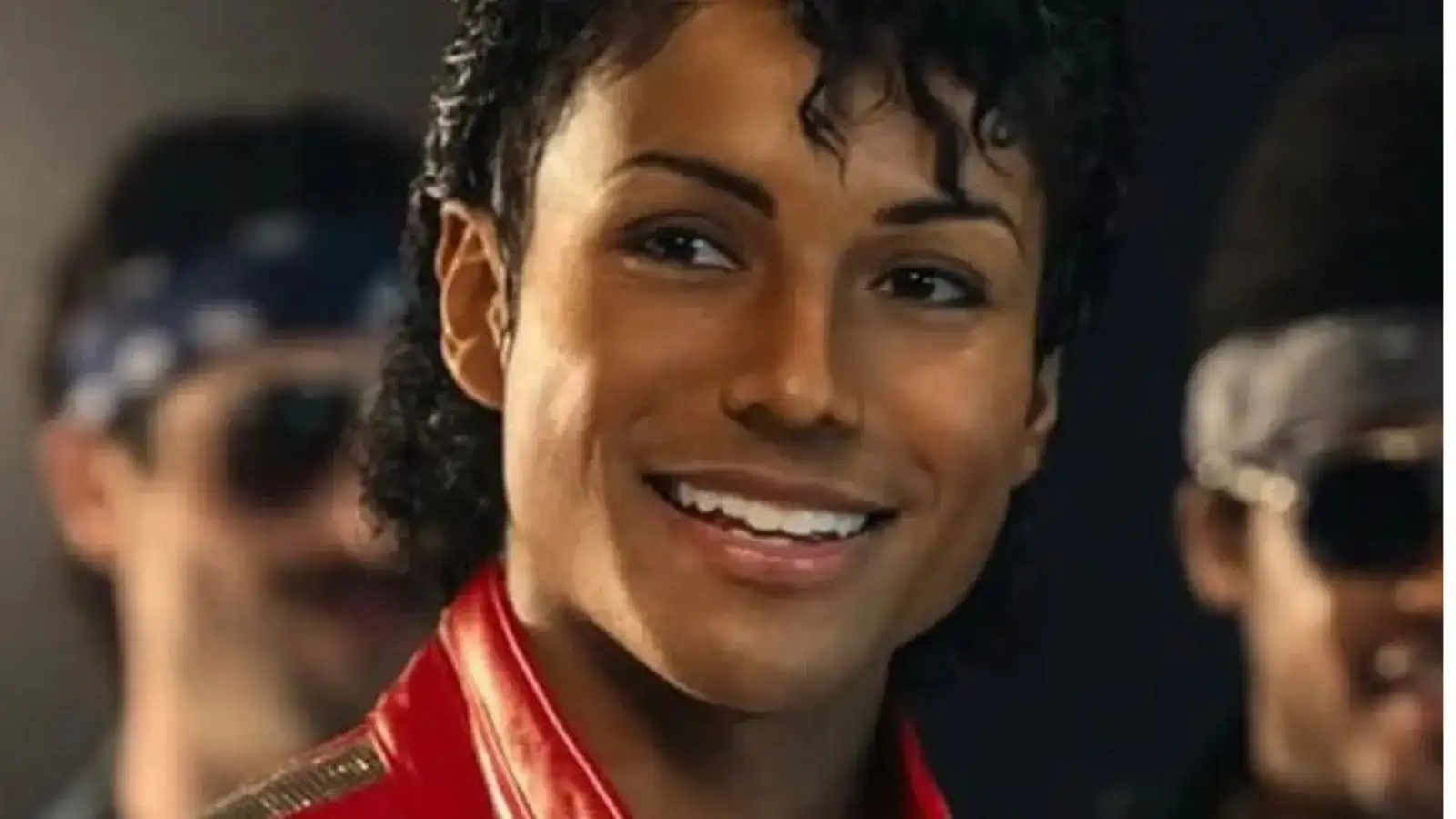
That is precisely why Michael, the latest biographical film based on the pop icon’s life, arrived with immense anticipation. Directed by Antoine Fuqua and starring Jaafar Jackson, the film promised an intimate look into the making of a global superstar.
However, early reviews suggest that the film has struggled to meet those expectations.
Critics across publications have largely described the biopic as visually polished but emotionally underwhelming. While Jaafar Jackson’s portrayal has been widely appreciated for capturing the singer’s physicality and stage presence, the storytelling itself has come under scrutiny. Reviewers have pointed out that the narrative feels overly safe, often prioritising admiration over exploration.
A key criticism revolves around what the film chooses to leave out. Many reviewers argue that Michael avoids addressing the more controversial and complex aspects of Jackson’s life, including long standing allegations and personal struggles. This omission has led some to label the film as sanitised or whitewashed, raising questions about how biographical storytelling should balance legacy and truth.
The structure of the film has also drawn criticism. Instead of offering a comprehensive portrait, the story focuses largely on Jackson’s early rise and peak years, ending before some of the most debated chapters of his life. Critics say this selective timeline creates an incomplete narrative, one that feels more like a tribute than an honest biography.
Beyond its narrative choices, the film’s execution has been another point of debate. Some reviews describe the screenplay as formulaic and lacking depth, while others note that even the musical sequences, expected to be the film’s strongest element, fail to deliver the energy associated with Jackson’s legacy.
Despite the criticism, not all reactions have been entirely negative. Several reviewers have acknowledged the film’s production value, choreography, and nostalgic appeal. For fans of Jackson’s music, the recreated performances still offer moments of engagement and familiarity.
Interestingly, the film’s reception highlights a broader challenge within the biopic genre. When dealing with larger than life figures, especially those surrounded by controversy, filmmakers often walk a fine line between celebration and scrutiny. In the case of Michael, critics suggest that the balance may have tipped too far toward admiration.
There is also speculation that audiences may respond differently from critics. While reviews have leaned negative, the film’s visual spectacle and musical nostalgia could still attract viewers, potentially translating into commercial success despite critical reservations.
In the end, Michael appears to be a film caught between intention and expectation. It aims to honour one of the most influential artists in modern music history, yet stops short of fully examining the complexities that defined his life.
And in doing so, it raises a larger question. Can a biopic truly capture a legend if it avoids the parts that made them human?
That is precisely why Michael, the latest biographical film based on the pop icon’s life, arrived with immense anticipation. Directed by Antoine Fuqua and starring Jaafar Jackson, the film promised an intimate look into the making of a global superstar.
However, early reviews suggest that the film has struggled to meet those expectations.
Critics across publications have largely described the biopic as visually polished but emotionally underwhelming. While Jaafar Jackson’s portrayal has been widely appreciated for capturing the singer’s physicality and stage presence, the storytelling itself has come under scrutiny. Reviewers have pointed out that the narrative feels overly safe, often prioritising admiration over exploration.
A key criticism revolves around what the film chooses to leave out. Many reviewers argue that Michael avoids addressing the more controversial and complex aspects of Jackson’s life, including long standing allegations and personal struggles. This omission has led some to label the film as sanitised or whitewashed, raising questions about how biographical storytelling should balance legacy and truth.
You may also like
- Madonna biopic returns after being scrapped, pop icon's life story reimagined as a series - Reports
- Can Vamshi Paidipally give Salman Khan a strong comeback?
- Ayushmann Khurrana has started filming for YRF's thriller
- Vatsal Sheth on making 'Happy Birthday Joshi': We use AI as a tool, not the storyteller
- 'Evil Dead Burn': Teaser, plot, and cast
The structure of the film has also drawn criticism. Instead of offering a comprehensive portrait, the story focuses largely on Jackson’s early rise and peak years, ending before some of the most debated chapters of his life. Critics say this selective timeline creates an incomplete narrative, one that feels more like a tribute than an honest biography.
Beyond its narrative choices, the film’s execution has been another point of debate. Some reviews describe the screenplay as formulaic and lacking depth, while others note that even the musical sequences, expected to be the film’s strongest element, fail to deliver the energy associated with Jackson’s legacy.
Despite the criticism, not all reactions have been entirely negative. Several reviewers have acknowledged the film’s production value, choreography, and nostalgic appeal. For fans of Jackson’s music, the recreated performances still offer moments of engagement and familiarity.
Interestingly, the film’s reception highlights a broader challenge within the biopic genre. When dealing with larger than life figures, especially those surrounded by controversy, filmmakers often walk a fine line between celebration and scrutiny. In the case of Michael, critics suggest that the balance may have tipped too far toward admiration.
There is also speculation that audiences may respond differently from critics. While reviews have leaned negative, the film’s visual spectacle and musical nostalgia could still attract viewers, potentially translating into commercial success despite critical reservations.
In the end, Michael appears to be a film caught between intention and expectation. It aims to honour one of the most influential artists in modern music history, yet stops short of fully examining the complexities that defined his life.
And in doing so, it raises a larger question. Can a biopic truly capture a legend if it avoids the parts that made them human?






More from our partners


Loving Newspoint? Download the app now
