
7 Popular 2000s Anime That Have Not Aged Well and May Disappoint Modern Fans

The 2000s were a defining decade for anime, producing memorable series such as Naruto and Death Note alongside cult favourites like Mononoke and Kino's Journey. Many shows from this period remain popular because of their storytelling, memorable characters and lasting influence on the medium. However, not every once-celebrated title has retained the same appeal.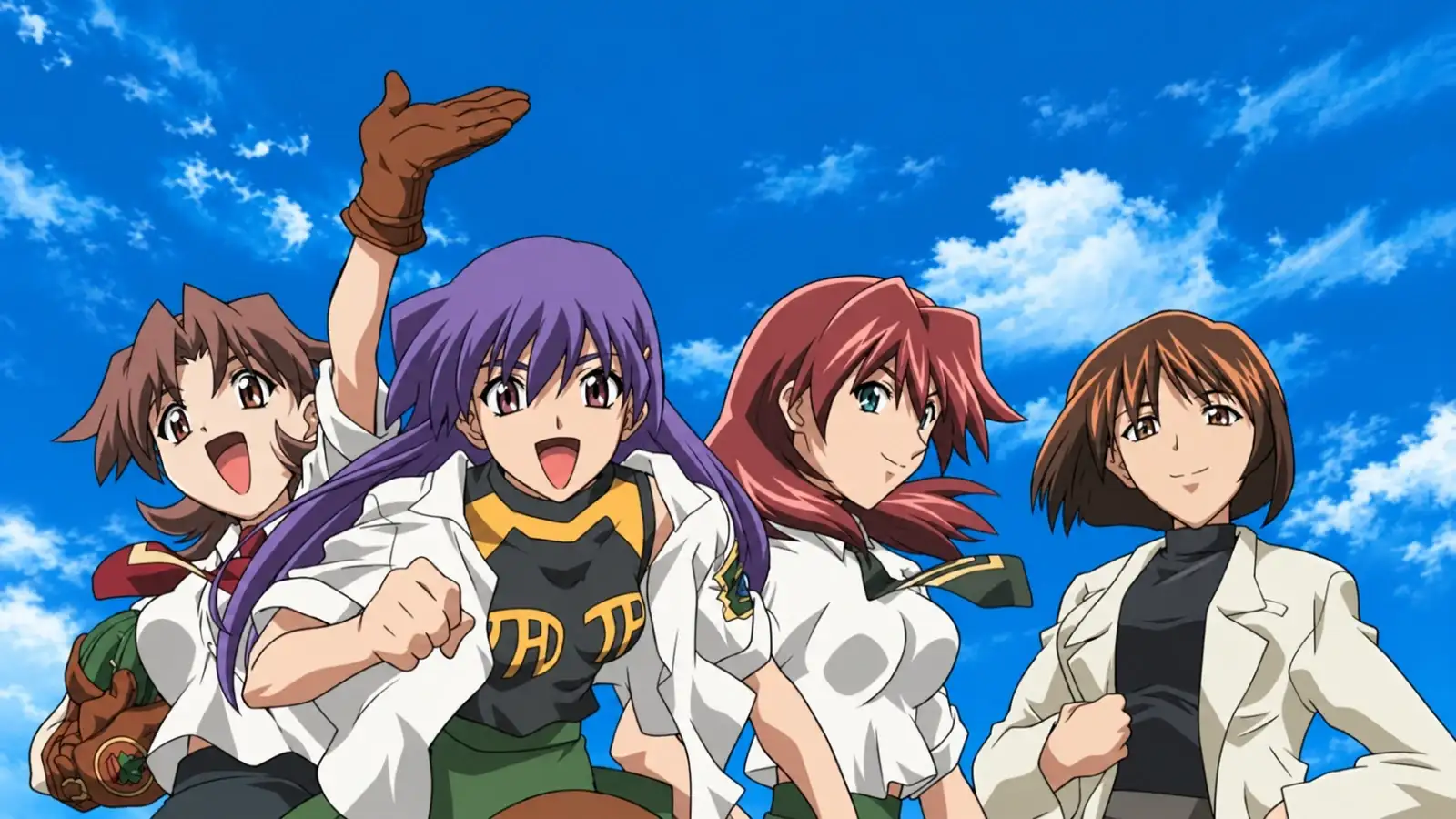
Some series rely heavily on outdated romantic tropes, repetitive comedy or storytelling choices that feel less entertaining today. Others remain famous mainly because of their controversial reputations or nostalgic connection to a particular era of anime fandom. From gothic romance to long-running fantasy adventures, these seven 2000s anime illustrate why popularity at the time does not always guarantee lasting appeal.
The combination of mysterious characters, dramatic relationships and vampire mythology helped the series develop a devoted audience. However, its romantic dynamics can be difficult for modern viewers to appreciate.
The story frequently presents manipulative and unhealthy relationships through a romantic lens, while Yuki's character development can feel limited in comparison with the drama surrounding her. The revelation concerning Yuki and Kaname's family relationship also adds another controversial dimension to their romance.
Although Vampire Knight still appeals to viewers who enjoy melodramatic supernatural stories, its relationship dynamics have become a major reason why the series can be difficult to revisit.
The arrival of the girls creates opportunities for romantic misunderstandings and exaggerated comedy. Yuusuke, one of the boys, frequently finds himself surrounded by classmates whose behaviour quickly becomes chaotic.
However, much of the humour relies on crude sexual jokes, invasive behaviour and the repeated disregard for personal boundaries. Instead of making its characters' behaviour genuinely funny or meaningful, the series often treats inappropriate conduct as the punchline.
This approach makes Green Green particularly difficult to recommend to viewers who prefer romantic comedies with stronger character development and more thoughtful humour. While it represents a particular style of early-2000s anime comedy, its reliance on shock value has not aged especially well.
His new living arrangement introduces him to a group of eccentric residents, including Naru Narusegawa, who becomes central to the series' romantic storyline.
The anime's combination of misunderstandings, exaggerated reactions and romantic tension helped it attract fans during its original run. Yet, its repeated use of physical comedy has become one of its biggest weaknesses.
Keitaro frequently finds himself on the receiving end of violent reactions, often because of accidental situations or misunderstandings. Naru's aggressive behaviour is repeatedly played for laughs, while the central romance progresses slowly.
Although Love Hina remains important to the history of harem anime, modern viewers may find its repetitive jokes and frustrating relationship dynamics less appealing than audiences did in the early 2000s.
As the story progresses, Makoto's decisions create increasingly damaging consequences for the people around him. What begins as ordinary romantic drama gradually turns into a disturbing account of infidelity, manipulation and emotional conflict.
The series became particularly notorious because of its violent and unexpected finale. That shocking conclusion helped establish School Days as a frequently discussed example of an anime whose reputation is closely tied to its most extreme moments.
However, the ending is not the only part of the viewing experience. Much of the preceding story revolves around frustrating character decisions and drawn-out relationship drama. For viewers who already know the major twist, the journey may feel less compelling than the controversy surrounding it.
School Days remains a notable title in anime history, but its shock value does not necessarily make it an enjoyable series to revisit.
Their unusual partnership leads to magical adventures, political conflicts and romantic misunderstandings. The series helped establish several conventions that later became familiar in fantasy anime involving characters transported to another world.
However, its central relationship is also one of its most criticised elements. Louise repeatedly mistreats Saito, and the story often uses her aggressive behaviour as a source of comedy rather than allowing it to lead to meaningful personal growth.
The fantasy setting offers opportunities for adventure, but the romantic conflicts frequently dominate the narrative. Over time, the repeated arguments and misunderstandings can make the story feel stagnant.
The Familiar of Zero remains historically significant for its contribution to early isekai storytelling, yet viewers accustomed to more developed character relationships may find it frustrating.
The series built its appeal through energetic battles, humorous character interactions and a strong emphasis on friendship. Its large cast also helped create a world that viewers could become attached to over time.
Nevertheless, the series has faced criticism for relying on recurring story patterns. Several arcs follow familiar structures, with the protagonists confronting powerful enemies before friendship, determination or emotional resolve helps them overcome seemingly impossible odds.
The frequent use of fan service has also divided audiences, while the story's tendency to avoid lasting consequences can reduce the impact of major confrontations.
Despite these shortcomings, Fairy Tail retains a loyal following. Its characters, humour and emphasis on camaraderie continue to appeal to viewers who value emotional connections over tightly structured plotting. For others, however, its repetition makes the long-running adventure harder to complete.
Its humour frequently draws from anime references, video games, school life and otaku culture. For viewers familiar with the trends of the time, these jokes helped make the series feel unusually connected to its audience.
However, that same cultural specificity can make Lucky Star less accessible to newer viewers. Many references reflect the interests and entertainment landscape of the period, while the deliberately slow pacing may frustrate people who prefer a more developed narrative.
The series also relies heavily on conversational humour rather than dramatic character arcs. As a result, its appeal depends largely on whether viewers enjoy its relaxed format and recognise the cultural references.
Lucky Star is not necessarily a poorly made anime. Instead, it demonstrates how a series can become closely tied to the era that produced it. For long-time fans, that connection remains part of its charm; for newcomers, it may be harder to appreciate.
Some series rely heavily on outdated romantic tropes, repetitive comedy or storytelling choices that feel less entertaining today. Others remain famous mainly because of their controversial reputations or nostalgic connection to a particular era of anime fandom. From gothic romance to long-running fantasy adventures, these seven 2000s anime illustrate why popularity at the time does not always guarantee lasting appeal.
1. Vampire Knight : A Gothic Romance Full of Uncomfortable Twists
Vampire Knight became popular during the 2000s, when gothic aesthetics, supernatural romance and complicated love triangles attracted plenty of anime fans. The story follows Yuki Cross, who becomes caught between Kaname Kuran, an elegant vampire, and Zero Kiryu, a troubled vampire hunter.The combination of mysterious characters, dramatic relationships and vampire mythology helped the series develop a devoted audience. However, its romantic dynamics can be difficult for modern viewers to appreciate.
The story frequently presents manipulative and unhealthy relationships through a romantic lens, while Yuki's character development can feel limited in comparison with the drama surrounding her. The revelation concerning Yuki and Kaname's family relationship also adds another controversial dimension to their romance.
Although Vampire Knight still appeals to viewers who enjoy melodramatic supernatural stories, its relationship dynamics have become a major reason why the series can be difficult to revisit.
2. Green Green: When Risqué Comedy Goes Too Far
Green Green is an ecchi romantic comedy built around an unusual school arrangement. The story takes place at Kanenone Gakuen, an all-boys boarding school preparing to welcome female students as part of a trial programme intended to merge two schools.The arrival of the girls creates opportunities for romantic misunderstandings and exaggerated comedy. Yuusuke, one of the boys, frequently finds himself surrounded by classmates whose behaviour quickly becomes chaotic.
However, much of the humour relies on crude sexual jokes, invasive behaviour and the repeated disregard for personal boundaries. Instead of making its characters' behaviour genuinely funny or meaningful, the series often treats inappropriate conduct as the punchline.
This approach makes Green Green particularly difficult to recommend to viewers who prefer romantic comedies with stronger character development and more thoughtful humour. While it represents a particular style of early-2000s anime comedy, its reliance on shock value has not aged especially well.
3. Love Hina : Repetitive Slapstick Undermines the Romance
Love Hina was an influential romantic comedy that helped popularise several conventions associated with harem anime. It follows Keitaro Urashima, a young man struggling to enter university who ends up managing a girls-only residence owned by his grandmother.His new living arrangement introduces him to a group of eccentric residents, including Naru Narusegawa, who becomes central to the series' romantic storyline.
The anime's combination of misunderstandings, exaggerated reactions and romantic tension helped it attract fans during its original run. Yet, its repeated use of physical comedy has become one of its biggest weaknesses.
Keitaro frequently finds himself on the receiving end of violent reactions, often because of accidental situations or misunderstandings. Naru's aggressive behaviour is repeatedly played for laughs, while the central romance progresses slowly.
Although Love Hina remains important to the history of harem anime, modern viewers may find its repetitive jokes and frustrating relationship dynamics less appealing than audiences did in the early 2000s.
4. School Days: A Controversial Romance Known for Its Shocking Ending
School Days initially presents itself as a familiar high-school romance. The story follows Makoto Itou, who becomes involved with two classmates, Sekai Saionji and Kotonoha Katsura, setting the stage for a complicated love triangle.As the story progresses, Makoto's decisions create increasingly damaging consequences for the people around him. What begins as ordinary romantic drama gradually turns into a disturbing account of infidelity, manipulation and emotional conflict.
The series became particularly notorious because of its violent and unexpected finale. That shocking conclusion helped establish School Days as a frequently discussed example of an anime whose reputation is closely tied to its most extreme moments.
However, the ending is not the only part of the viewing experience. Much of the preceding story revolves around frustrating character decisions and drawn-out relationship drama. For viewers who already know the major twist, the journey may feel less compelling than the controversy surrounding it.
School Days remains a notable title in anime history, but its shock value does not necessarily make it an enjoyable series to revisit.
5. The Familiar of Zero : An Early Isekai With a Frustrating Romance
The Familiar of Zero arrived before isekai became one of anime's dominant genres. The fantasy comedy follows Louise Françoise Le Blanc de La Vallière, a noble student with a poor record in magic, who accidentally summons an ordinary Japanese teenager named Saito into her world.Their unusual partnership leads to magical adventures, political conflicts and romantic misunderstandings. The series helped establish several conventions that later became familiar in fantasy anime involving characters transported to another world.
However, its central relationship is also one of its most criticised elements. Louise repeatedly mistreats Saito, and the story often uses her aggressive behaviour as a source of comedy rather than allowing it to lead to meaningful personal growth.
The fantasy setting offers opportunities for adventure, but the romantic conflicts frequently dominate the narrative. Over time, the repeated arguments and misunderstandings can make the story feel stagnant.
The Familiar of Zero remains historically significant for its contribution to early isekai storytelling, yet viewers accustomed to more developed character relationships may find it frustrating.
6. Fairy Tail : Repetitive Storytelling Weakens a Beloved Adventure
Fairy Tail emerged in the late 2000s as a colourful fantasy adventure centred on Natsu Dragneel, a Dragon Slayer wizard, and his companions in the Fairy Tail guild.The series built its appeal through energetic battles, humorous character interactions and a strong emphasis on friendship. Its large cast also helped create a world that viewers could become attached to over time.
Nevertheless, the series has faced criticism for relying on recurring story patterns. Several arcs follow familiar structures, with the protagonists confronting powerful enemies before friendship, determination or emotional resolve helps them overcome seemingly impossible odds.
The frequent use of fan service has also divided audiences, while the story's tendency to avoid lasting consequences can reduce the impact of major confrontations.
You may also like
- I'm exploring different films to avoid being typecast: Mirnaa
- Namit Malhotra making 'Mahabharata' with SS Rajamouli? 'Ramayana' producer reacts to VIRAL buzz- WATCH
- The dilemma around Diwali parties – too many invites, too many people to please
- Samay Raina hints at having girlfriend on 'Koffee With Karan 9; Comedian's casual remark to Varun Dhawan takes internet by storm
- Sacha Baron Cohen: 'Ali G: Who Iz I?' is the wildest, craziest movie I've ever made
Despite these shortcomings, Fairy Tail retains a loyal following. Its characters, humour and emphasis on camaraderie continue to appeal to viewers who value emotional connections over tightly structured plotting. For others, however, its repetition makes the long-running adventure harder to complete.
7. Lucky Star : A Time Capsule of 2000s Anime Fandom
Lucky Star became a defining series of the mid-2000s moe boom. Rather than following a dramatic overarching plot, it focuses on the everyday conversations and activities of four high-school friends: Konata Izumi, Kagami Hiiragi, Tsukasa Hiiragi and Miyuki Takara.Its humour frequently draws from anime references, video games, school life and otaku culture. For viewers familiar with the trends of the time, these jokes helped make the series feel unusually connected to its audience.
However, that same cultural specificity can make Lucky Star less accessible to newer viewers. Many references reflect the interests and entertainment landscape of the period, while the deliberately slow pacing may frustrate people who prefer a more developed narrative.
The series also relies heavily on conversational humour rather than dramatic character arcs. As a result, its appeal depends largely on whether viewers enjoy its relaxed format and recognise the cultural references.
Lucky Star is not necessarily a poorly made anime. Instead, it demonstrates how a series can become closely tied to the era that produced it. For long-time fans, that connection remains part of its charm; for newcomers, it may be harder to appreciate.






Loving Newspoint? Download the app now
