
Why Do Humans Love Horror Movies? The Science Behind Our Fear

A horror film can make your heart race, your palms sweat and your imagination run wild. Yet millions of people deliberately pay to experience exactly that feeling. We watch haunted houses, monsters, killers and supernatural stories, then sometimes complain that we cannot sleep afterwards. So why do humans love horror movies when fear is supposed to make us run away? The answer lies partly in the way the brain handles danger, excitement and reward. When we know we are actually safe, frightening experiences can become a strange form of entertainment, allowing us to experience intense emotions without facing a genuine threat.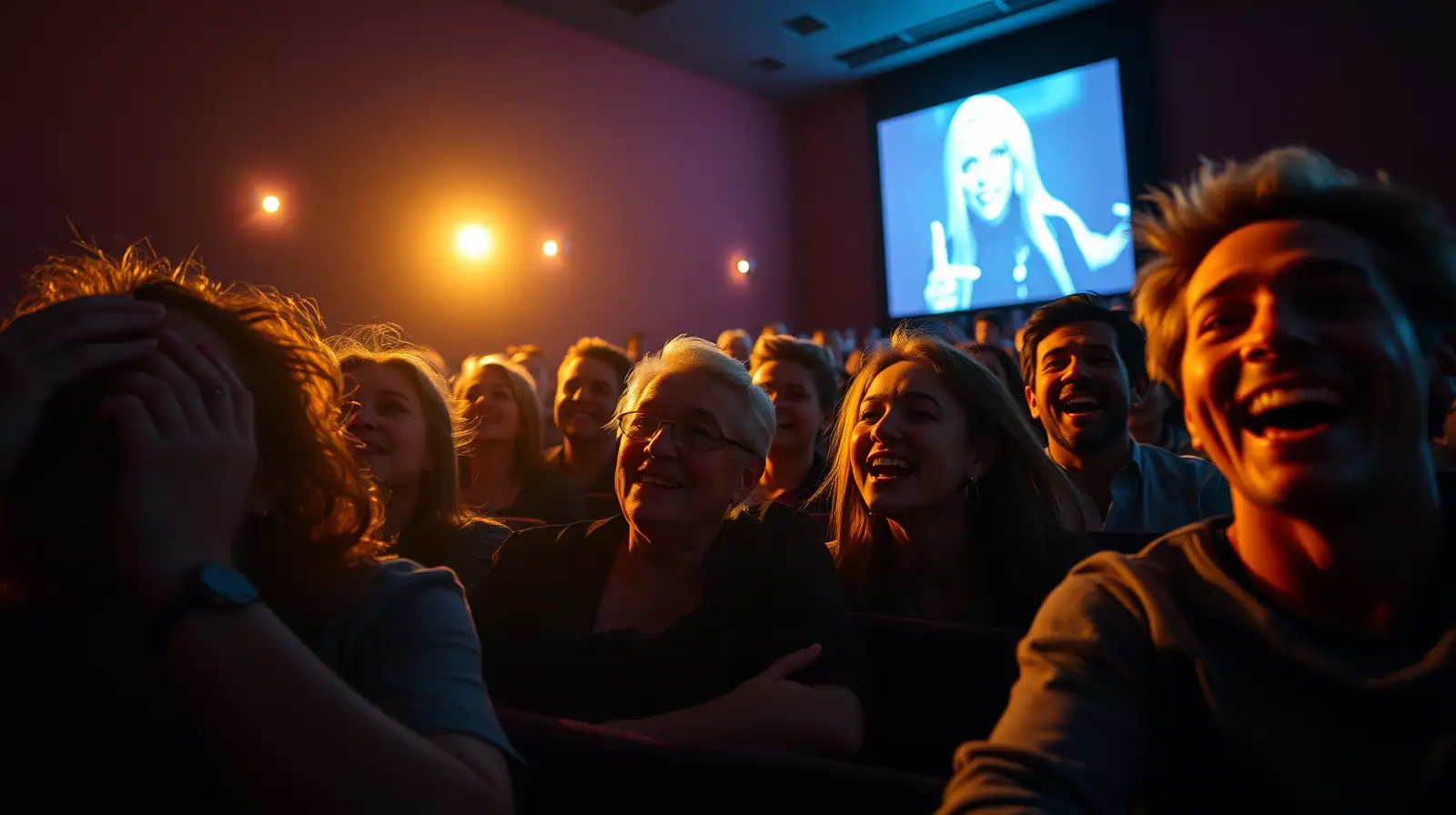
Inside a cinema, however, the brain can eventually recognise that the monster on screen cannot physically reach us. The body may still react strongly, but the mind knows there is a safety barrier. For some people, that combination of fear and safety creates an enjoyable rush.
This helps explain why horror films can feel almost like an emotional rollercoaster.
A horror film effectively gives the brain a simulated danger to analyse. Where is the killer? What made that noise? Will the character survive? That constant prediction keeps attention focused.
Researchers have also found that people differ considerably in how much they enjoy frightening entertainment. Some viewers actively seek intense sensations, while others find horror overwhelmingly unpleasant.
Watching a scary film with friends can transform fear into a social experience. People laugh, shout and discuss the frightening scenes afterwards. That shared reaction can make the experience more enjoyable.
There is also an element of control. You can pause the film, leave the room or simply remind yourself that the story is fictional. That is very different from experiencing genuine danger.
Interestingly, horror can also provide emotional contrast. After a tense scene ends, the relief can feel surprisingly satisfying. The brain moves rapidly from alarm towards safety, creating a powerful sense of release.
For some viewers, horror also offers a safe way to confront uncomfortable subjects such as death, uncertainty and the unknown. The monsters may be fictional, but the emotions they trigger are very real.
Perhaps that is the greatest reason humans keep returning to horror. We are fascinated by fear, but we also enjoy discovering that, when the lights come back on, we are safe.
Fear Can Become Excitement
Fear and excitement produce surprisingly similar physical reactions. When the brain detects a threat, the body releases chemicals such as adrenaline, increasing heart rate, breathing and alertness.Inside a cinema, however, the brain can eventually recognise that the monster on screen cannot physically reach us. The body may still react strongly, but the mind knows there is a safety barrier. For some people, that combination of fear and safety creates an enjoyable rush.
This helps explain why horror films can feel almost like an emotional rollercoaster.
The Brain Likes Safe Threats
Horror movies also allow people to explore danger from a protected environment. Humans evolved to pay close attention to threats, because recognising predators, unfamiliar sounds or dangerous situations once had obvious survival value.You may also like
- Game show 'India Ke Top 1%', hosted by Anil Kapoor, to release on Star Plus on September 5
- Adam Sandler's 'Grown Ups 3' begins filming
- Global hit Pakistani drama enters 3 billion views club; see list
- DC Movie Review Quicker: Is Lokesh Kanagaraj's Acting As Fire As the LCU? – 3 Thoughts I Have Within 60 Minutes
- Shoaib Ibrahim calls Dipika Kakar his 'fighter' in heartfelt birthday note, shares unseen family moments
A horror film effectively gives the brain a simulated danger to analyse. Where is the killer? What made that noise? Will the character survive? That constant prediction keeps attention focused.
Researchers have also found that people differ considerably in how much they enjoy frightening entertainment. Some viewers actively seek intense sensations, while others find horror overwhelmingly unpleasant.
Why Some People Love Horror More
Personality is only part of the explanation. Context matters too.Watching a scary film with friends can transform fear into a social experience. People laugh, shout and discuss the frightening scenes afterwards. That shared reaction can make the experience more enjoyable.
There is also an element of control. You can pause the film, leave the room or simply remind yourself that the story is fictional. That is very different from experiencing genuine danger.
Interestingly, horror can also provide emotional contrast. After a tense scene ends, the relief can feel surprisingly satisfying. The brain moves rapidly from alarm towards safety, creating a powerful sense of release.
Horror Is More Than Just Fear
The appeal of horror movies is not simply about wanting to be frightened. They combine suspense, curiosity, surprise, storytelling and emotional tension.For some viewers, horror also offers a safe way to confront uncomfortable subjects such as death, uncertainty and the unknown. The monsters may be fictional, but the emotions they trigger are very real.
Perhaps that is the greatest reason humans keep returning to horror. We are fascinated by fear, but we also enjoy discovering that, when the lights come back on, we are safe.






Loving Newspoint? Download the app now
