
Eco-Chic: Tips For Building A Stylish And Sustainable Wardrobe

In a world where environmental awareness is paramount, sustainable fashion offers a stylish way to make eco-friendly choices . Building an eco-friendly wardrobe helps reduce your carbon footprint and supports ethical practices in the fashion industry. Here are practical steps to guide you toward a more sustainable closet.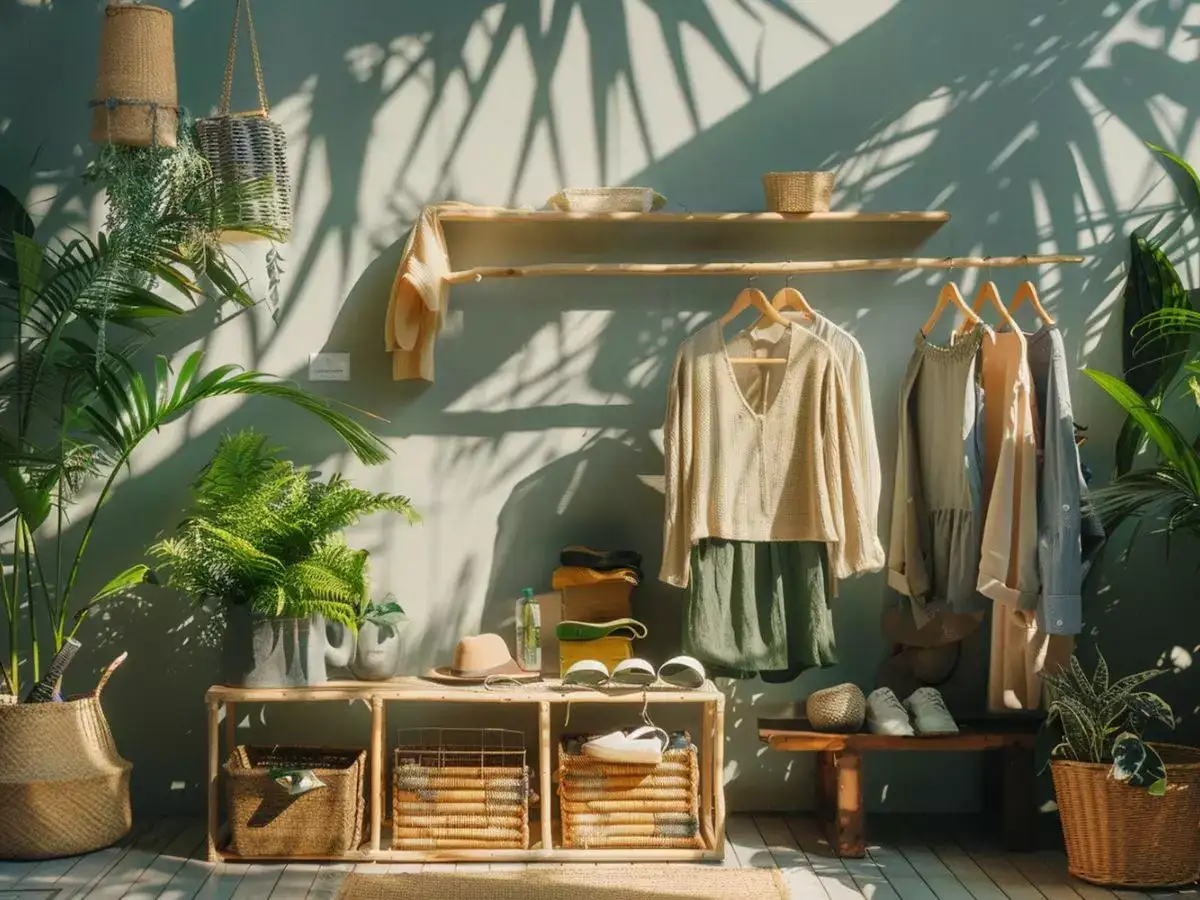
1. Prioritise Quality Over Quantity
Invest in high-quality pieces that are built to last. Instead of filling your closet with numerous inexpensive, low-quality items, focus on acquiring a few well-made garments. These pieces not only endure longer but also maintain their appearance and functionality over time.
2. Choose Sustainable Materials
When shopping for clothes, opt for materials with a lower environmental impact. Organic cotton, bamboo, hemp, and recycled fabrics are excellent choices. These materials are produced with fewer pesticides and chemicals, often involving more sustainable farming practices. Look for certifications like GOTS (Global Organic Textile Standard) and Fair Trade to ensure the materials meet high environmental and ethical standards.
3. Embrace Second-Hand Shopping
Thrifting is a fantastic way to reduce waste and find unique, stylish pieces. By purchasing second-hand clothing, you extend the life of garments and decrease the demand for new production. Consignment shops, vintage stores, and online marketplaces offer a wide range of pre-loved items that can fit any style.
4. Support Ethical Brands
Many fashion brands are now committed to sustainability and ethical practices. Research and support companies that prioritize fair labor, eco-friendly production methods, and transparency in their supply chains. Brands like EcoRight, Anchal, and Khadi are known for their sustainable initiatives and high-quality products.
5. Practice Mindful Washing
How you care for your clothes also impacts the environment. Wash your clothes less frequently, use cold water, and avoid tumble drying when possible. These practices conserve water and energy and extend the lifespan of your garments.
6. Repair and Upcycle
Instead of discarding damaged clothing, consider repairing or upcycling them. Simple fixes like sewing a button or patching a hole can give new life to your clothes. Upcycling old garments into new creations is also a creative way to reduce waste and add unique pieces to your wardrobe.
By making these mindful choices, you can build an eco-friendly wardrobe that reflects your style and values, contributing to a more sustainable and ethical fashion industry.
(With AI Inputs)
(GENZ News is the ultimate destination for the trend-savvy generation! Stay on top of the GenZ news with India's first and the only product for GENZs.)
1. Prioritise Quality Over Quantity
Invest in high-quality pieces that are built to last. Instead of filling your closet with numerous inexpensive, low-quality items, focus on acquiring a few well-made garments. These pieces not only endure longer but also maintain their appearance and functionality over time.
2. Choose Sustainable Materials
When shopping for clothes, opt for materials with a lower environmental impact. Organic cotton, bamboo, hemp, and recycled fabrics are excellent choices. These materials are produced with fewer pesticides and chemicals, often involving more sustainable farming practices. Look for certifications like GOTS (Global Organic Textile Standard) and Fair Trade to ensure the materials meet high environmental and ethical standards.
3. Embrace Second-Hand Shopping
Thrifting is a fantastic way to reduce waste and find unique, stylish pieces. By purchasing second-hand clothing, you extend the life of garments and decrease the demand for new production. Consignment shops, vintage stores, and online marketplaces offer a wide range of pre-loved items that can fit any style.
4. Support Ethical Brands
Many fashion brands are now committed to sustainability and ethical practices. Research and support companies that prioritize fair labor, eco-friendly production methods, and transparency in their supply chains. Brands like EcoRight, Anchal, and Khadi are known for their sustainable initiatives and high-quality products.
5. Practice Mindful Washing
How you care for your clothes also impacts the environment. Wash your clothes less frequently, use cold water, and avoid tumble drying when possible. These practices conserve water and energy and extend the lifespan of your garments.
6. Repair and Upcycle
Instead of discarding damaged clothing, consider repairing or upcycling them. Simple fixes like sewing a button or patching a hole can give new life to your clothes. Upcycling old garments into new creations is also a creative way to reduce waste and add unique pieces to your wardrobe.
By making these mindful choices, you can build an eco-friendly wardrobe that reflects your style and values, contributing to a more sustainable and ethical fashion industry.
(With AI Inputs)
(GENZ News is the ultimate destination for the trend-savvy generation! Stay on top of the GenZ news with India's first and the only product for GENZs.)






Loving Newspoint? Download the app now
