
Fashion Revolution: Decoding Generation Z's Consumer Preferences & Trends

In the dynamic world of fashion, understanding the preferences and behaviours of Generation Z has become increasingly crucial. Born roughly between the mid-1990s and early 2010s, Generation Z represents a cohort that has grown up with technology at their fingertips, shaping their worldview, values, and consumer habits in unique ways.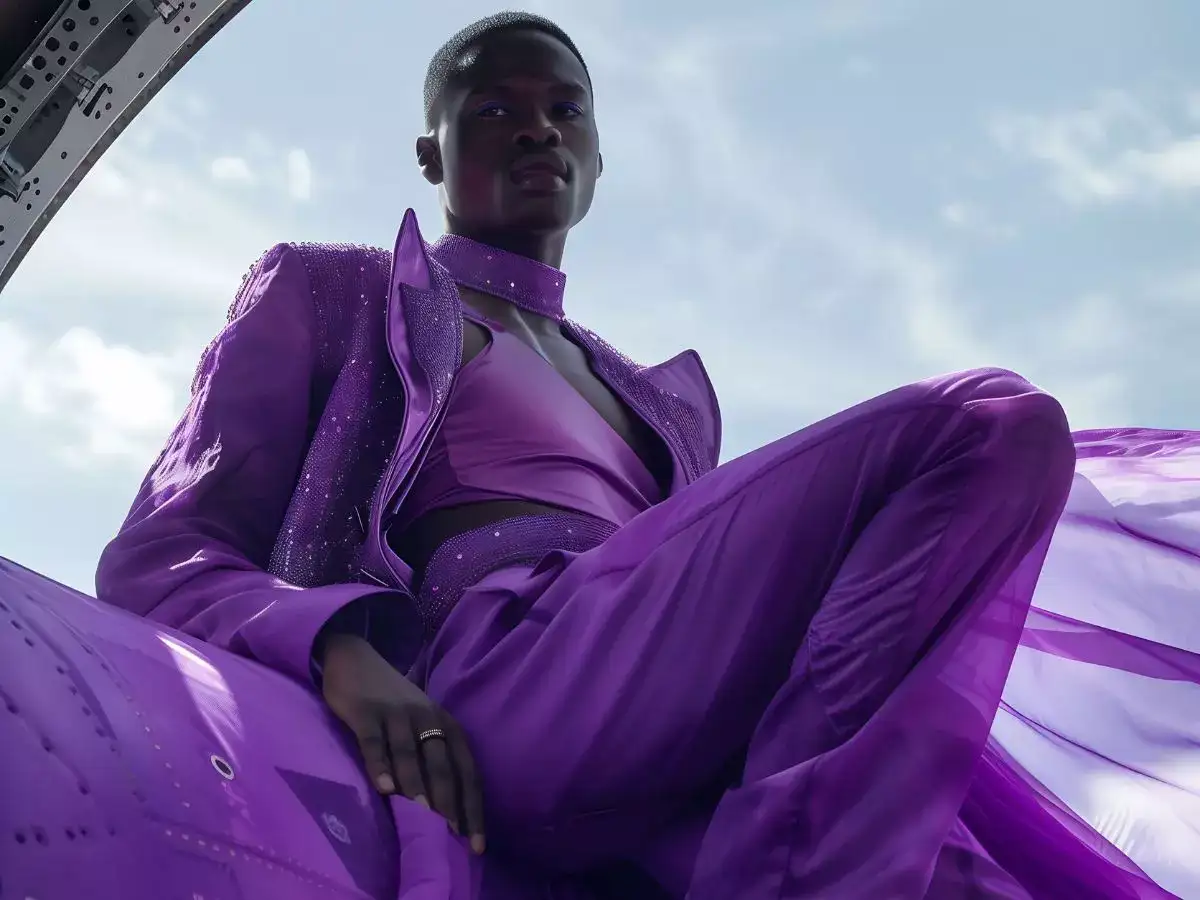
Digital Natives and Trendsetters
Generation Z, often referred to as digital natives, has been immersed in the internet, social media, and instant communication since childhood. This exposure has made them highly informed and discerning consumers. Unlike previous generations, they value authenticity, transparency, and sustainability in the brands they choose. This demographic is more likely to research brands online, read reviews, and seek out peer recommendations before making purchasing decisions.
Preference for Sustainability
Concern for the environment and sustainability is a prominent factor in Gen Z's fashion choices. They are more inclined to support brands that demonstrate eco-conscious practices, such as using organic materials, ethical sourcing, and minimising waste. This generation values durability and longevity in clothing, preferring timeless styles over fast fashion trends that quickly become outdated.
Expression of Individuality
Generation Z embraces diversity and inclusivity, seeking fashion that allows them to express their unique identities. They are drawn to brands that celebrate diversity in their marketing campaigns and offer a wide range of sizes and styles to cater to different body types and cultural backgrounds. Customization and personalisation options are also highly appealing, as they enable Gen Z consumers to create garments that reflect their individual tastes.
Influence of Social Media
Platforms like Instagram, TikTok and Snapchat play a pivotal role in shaping Gen Z's fashion choices. Influencers and content creators wield significant influence over their followers' purchasing decisions, often showcasing new trends and styles in real time. Brands that collaborate with influencers and engage in meaningful dialogue with their audience through social media are more likely to resonate with Gen Z consumers.
Rise of Secondhand and Thrift Shopping
Another notable trend among Generation Z is the rise of secondhand shopping and thrifting. Sustainability-minded and budget-conscious, many young consumers prefer vintage and pre-owned clothing as a way to reduce their environmental footprint while uncovering unique pieces that reflect their personal style. This shift towards thrift shopping also aligns with Gen Z's desire to stand out from the crowd and reject mass-produced fashion.
Understanding Generation Z's preferences in fashion requires a nuanced approach that acknowledges their digital fluency, sustainability concerns, desire for individuality, and reliance on social media for inspiration. Brands that successfully cater to these preferences by embracing transparency, sustainability, inclusivity, and digital engagement will be well-positioned to capture the loyalty of this influential consumer demographic. As the future leaders of consumer trends, Generation Z is reshaping the fashion industry with their values and expectations, making it essential for brands to adapt and evolve to meet their evolving needs.
In summary, the fashion industry's future success lies in its ability to understand and embrace the preferences of Generation Z, a generation that is not only shaping fashion trends but also redefining what it means to be a conscientious and discerning consumer in the 21st century.
(With AI Inputs)
GENZ News, the ultimate destination for the trend-savvy generation! Stay on top of GenZ news with India's first and the only product for GENZs.
Digital Natives and Trendsetters
Generation Z, often referred to as digital natives, has been immersed in the internet, social media, and instant communication since childhood. This exposure has made them highly informed and discerning consumers. Unlike previous generations, they value authenticity, transparency, and sustainability in the brands they choose. This demographic is more likely to research brands online, read reviews, and seek out peer recommendations before making purchasing decisions.
Preference for Sustainability
Concern for the environment and sustainability is a prominent factor in Gen Z's fashion choices. They are more inclined to support brands that demonstrate eco-conscious practices, such as using organic materials, ethical sourcing, and minimising waste. This generation values durability and longevity in clothing, preferring timeless styles over fast fashion trends that quickly become outdated.
Expression of Individuality
Generation Z embraces diversity and inclusivity, seeking fashion that allows them to express their unique identities. They are drawn to brands that celebrate diversity in their marketing campaigns and offer a wide range of sizes and styles to cater to different body types and cultural backgrounds. Customization and personalisation options are also highly appealing, as they enable Gen Z consumers to create garments that reflect their individual tastes.
Influence of Social Media
Platforms like Instagram, TikTok and Snapchat play a pivotal role in shaping Gen Z's fashion choices. Influencers and content creators wield significant influence over their followers' purchasing decisions, often showcasing new trends and styles in real time. Brands that collaborate with influencers and engage in meaningful dialogue with their audience through social media are more likely to resonate with Gen Z consumers.
Rise of Secondhand and Thrift Shopping
Another notable trend among Generation Z is the rise of secondhand shopping and thrifting. Sustainability-minded and budget-conscious, many young consumers prefer vintage and pre-owned clothing as a way to reduce their environmental footprint while uncovering unique pieces that reflect their personal style. This shift towards thrift shopping also aligns with Gen Z's desire to stand out from the crowd and reject mass-produced fashion.
Understanding Generation Z's preferences in fashion requires a nuanced approach that acknowledges their digital fluency, sustainability concerns, desire for individuality, and reliance on social media for inspiration. Brands that successfully cater to these preferences by embracing transparency, sustainability, inclusivity, and digital engagement will be well-positioned to capture the loyalty of this influential consumer demographic. As the future leaders of consumer trends, Generation Z is reshaping the fashion industry with their values and expectations, making it essential for brands to adapt and evolve to meet their evolving needs.
In summary, the fashion industry's future success lies in its ability to understand and embrace the preferences of Generation Z, a generation that is not only shaping fashion trends but also redefining what it means to be a conscientious and discerning consumer in the 21st century.
(With AI Inputs)
GENZ News, the ultimate destination for the trend-savvy generation! Stay on top of GenZ news with India's first and the only product for GENZs.






Loving Newspoint? Download the app now
