
Surprising Health Benefits of Intermittent Fasting: Weight Loss, Mental Clarity And Longevity Boosts!

Intermittent fasting , a dietary regimen, has been linked to potential advantages for cardiovascular health, inflammation reduction , enhancement of cellular repair mechanisms and facilitation of fat burning . Intermittent fasting involves a time-restricted eating pattern where individuals extend the duration between their last meal of one day and the first meal of the next, condensing their food intake into a shorter timeframe within the day.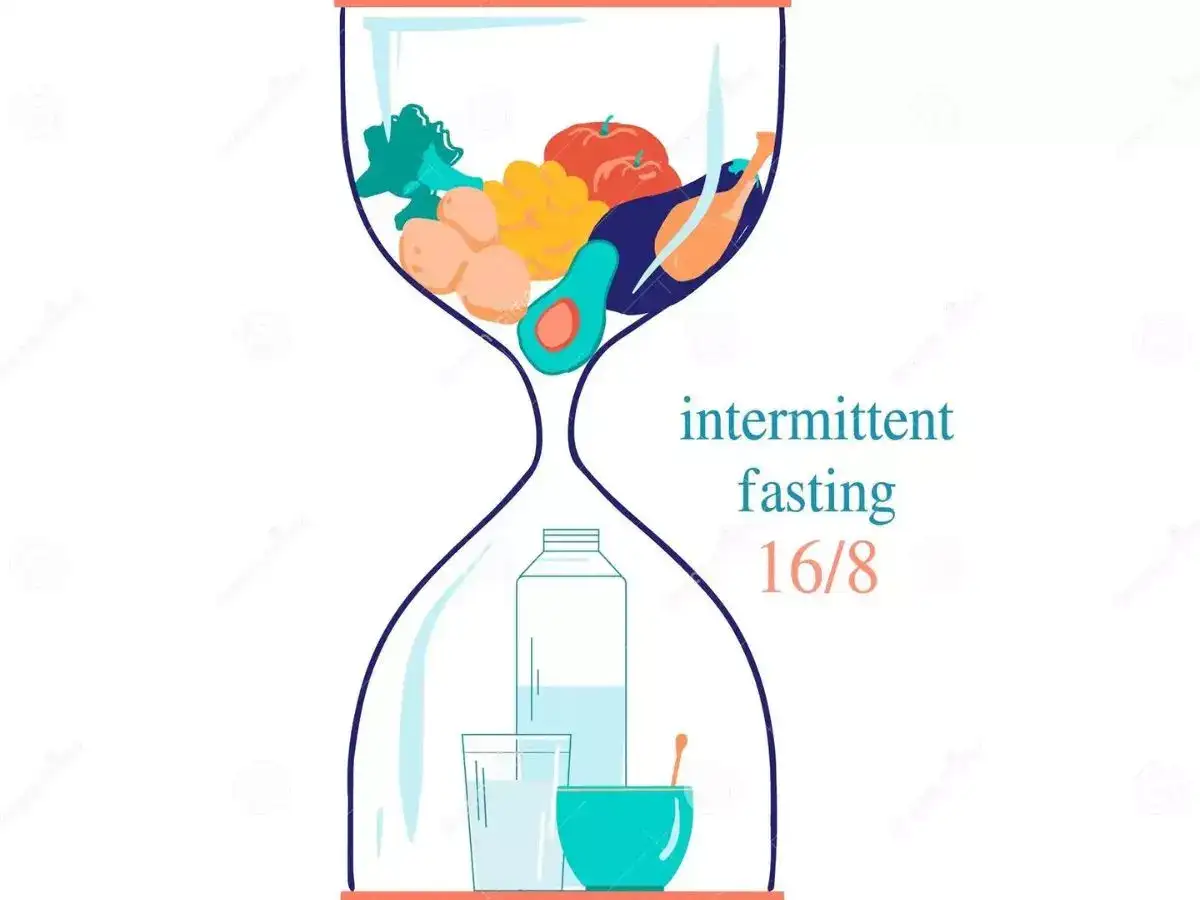
Typically, this entails fasting for 16 hours and consuming meals during an eight-hour window. It's worth noting that intermittent fasting is just one approach among various time-restricted diets. For instance, the 5:2 diet emphasizes controlling calorie intake, with participants eating normally for five days and restricting their intake to 25% of their usual calories for two non-consecutive days.
Here are some benefits of intermittent fasting:-
Reduced inflammation-
Animal research indicates that intermittent fasting (IF) and calorie restriction can potentially decrease inflammation, although there's a scarcity of clinical trials in this area. Seeking to bridge this gap, researchers examined whether a similar connection existed in humans. They conducted a study involving 50 individuals observing Ramadan, a Muslim holiday characterized by fasting from dawn to dusk and consuming meals during the night. The findings revealed that during the fasting period, levels of pro-inflammatory markers decreased compared to typical levels, alongside reductions in blood pressure, body weight, and body fat.
Changes in the function of hormones, cells, and Genes
When you don’t eat for a while, several things happen in your body. For example, your body changes hormone levels to make stored body fat accessible and start important cellular repair processes.
Here are some of the changes that may happen in your body as a result of intermittent fasting:
Weight loss
The latest studies indicate that intermittent fasting could serve as a viable method for managing weight. While it's improbable to offer superior benefits compared to traditional calorie restriction, some individuals may discover intermittent fasting to be more sustainable in the long run.
A 2017 study conducted a comparison between intermittent fasting and a standard calorie-restricted diet to assess their effects on weight loss over a year. Both dietary approaches demonstrated similar effectiveness in facilitating weight loss. Furthermore, there were no notable variations between the two groups concerning other health indicators like blood pressure or heart rate.
Type 2 Diabetes and Obesity
Intermittent fasting has shown promise in mitigating type 2 diabetes and obesity. Animal studies have demonstrated its ability to prevent obesity, while brief studies involving obese adults have shown weight loss results through intermittent fasting. Individuals with type 2 diabetes may particularly benefit, as most research suggests that intermittent fasting can aid in weight loss and lead to reductions in fasting glucose, fasting insulin, and leptin levels, along with improved insulin sensitivity. Moreover, supervised intermittent fasting has been associated with instances where patients reversed their reliance on insulin therapy, according to certain studies.
Intermittent fasting stands as a transformative dietary strategy with a plethora of health advantages, impacting various facets of wellness. From managing weight and enhancing insulin sensitivity to promoting heart health, and cognitive function, and extending longevity, the body of evidence supporting intermittent fasting is expanding. However, it's crucial to recognise that intermittent fasting may not be suitable for everyone. Individuals with specific medical conditions or unique dietary requirements should seek advice from healthcare professionals before adopting this eating pattern. Nevertheless, for many, intermittent fasting presents a sustainable and life-altering avenue toward improved health and overall well-being. As ongoing research unfolds, it becomes evident that embracing intermittent fasting can lead to profound and positive transformations in individuals' lives.
(With AI Inputs)
GENZ News, the ultimate destination for the trend-savvy generation! Stay on top of GenZ news with India's first and the only product for GENZs
Typically, this entails fasting for 16 hours and consuming meals during an eight-hour window. It's worth noting that intermittent fasting is just one approach among various time-restricted diets. For instance, the 5:2 diet emphasizes controlling calorie intake, with participants eating normally for five days and restricting their intake to 25% of their usual calories for two non-consecutive days.
Here are some benefits of intermittent fasting:-
Reduced inflammation-
Animal research indicates that intermittent fasting (IF) and calorie restriction can potentially decrease inflammation, although there's a scarcity of clinical trials in this area. Seeking to bridge this gap, researchers examined whether a similar connection existed in humans. They conducted a study involving 50 individuals observing Ramadan, a Muslim holiday characterized by fasting from dawn to dusk and consuming meals during the night. The findings revealed that during the fasting period, levels of pro-inflammatory markers decreased compared to typical levels, alongside reductions in blood pressure, body weight, and body fat.
Changes in the function of hormones, cells, and Genes
When you don’t eat for a while, several things happen in your body. For example, your body changes hormone levels to make stored body fat accessible and start important cellular repair processes.
Here are some of the changes that may happen in your body as a result of intermittent fasting:
- Insulin level: Your blood insulin level drops significantly, promoting fat burning.
- Human growth hormone (HGH) level: Your blood level of HGH may increase dramatically. Higher levels of this hormone promote fat-burning and muscle gain and have numerous other benefits.
- Cellular repair: Your body starts important cellular repair processes such as removing waste material from cells.
- Gene expression: Beneficial changes occur in several genes and molecules related to longevity and protection against disease.
Weight loss
The latest studies indicate that intermittent fasting could serve as a viable method for managing weight. While it's improbable to offer superior benefits compared to traditional calorie restriction, some individuals may discover intermittent fasting to be more sustainable in the long run.
A 2017 study conducted a comparison between intermittent fasting and a standard calorie-restricted diet to assess their effects on weight loss over a year. Both dietary approaches demonstrated similar effectiveness in facilitating weight loss. Furthermore, there were no notable variations between the two groups concerning other health indicators like blood pressure or heart rate.
Type 2 Diabetes and Obesity
Intermittent fasting has shown promise in mitigating type 2 diabetes and obesity. Animal studies have demonstrated its ability to prevent obesity, while brief studies involving obese adults have shown weight loss results through intermittent fasting. Individuals with type 2 diabetes may particularly benefit, as most research suggests that intermittent fasting can aid in weight loss and lead to reductions in fasting glucose, fasting insulin, and leptin levels, along with improved insulin sensitivity. Moreover, supervised intermittent fasting has been associated with instances where patients reversed their reliance on insulin therapy, according to certain studies.
Intermittent fasting stands as a transformative dietary strategy with a plethora of health advantages, impacting various facets of wellness. From managing weight and enhancing insulin sensitivity to promoting heart health, and cognitive function, and extending longevity, the body of evidence supporting intermittent fasting is expanding. However, it's crucial to recognise that intermittent fasting may not be suitable for everyone. Individuals with specific medical conditions or unique dietary requirements should seek advice from healthcare professionals before adopting this eating pattern. Nevertheless, for many, intermittent fasting presents a sustainable and life-altering avenue toward improved health and overall well-being. As ongoing research unfolds, it becomes evident that embracing intermittent fasting can lead to profound and positive transformations in individuals' lives.
(With AI Inputs)
GENZ News, the ultimate destination for the trend-savvy generation! Stay on top of GenZ news with India's first and the only product for GENZs






Loving Newspoint? Download the app now
