Surprising Health Benefits of Intermittent Fasting: Weight Loss, Mental Clarity And Longevity Boosts!

Intermittent fasting , a dietary regimen, has been linked to potential advantages for cardiovascular health, inflammation reduction , enhancement of cellular repair mechanisms and facilitation of fat burning . Intermittent fasting involves a time-restricted eating pattern where individuals extend the duration between their last meal of one day and the first meal of the next, condensing their food intake into a shorter timeframe within the day.
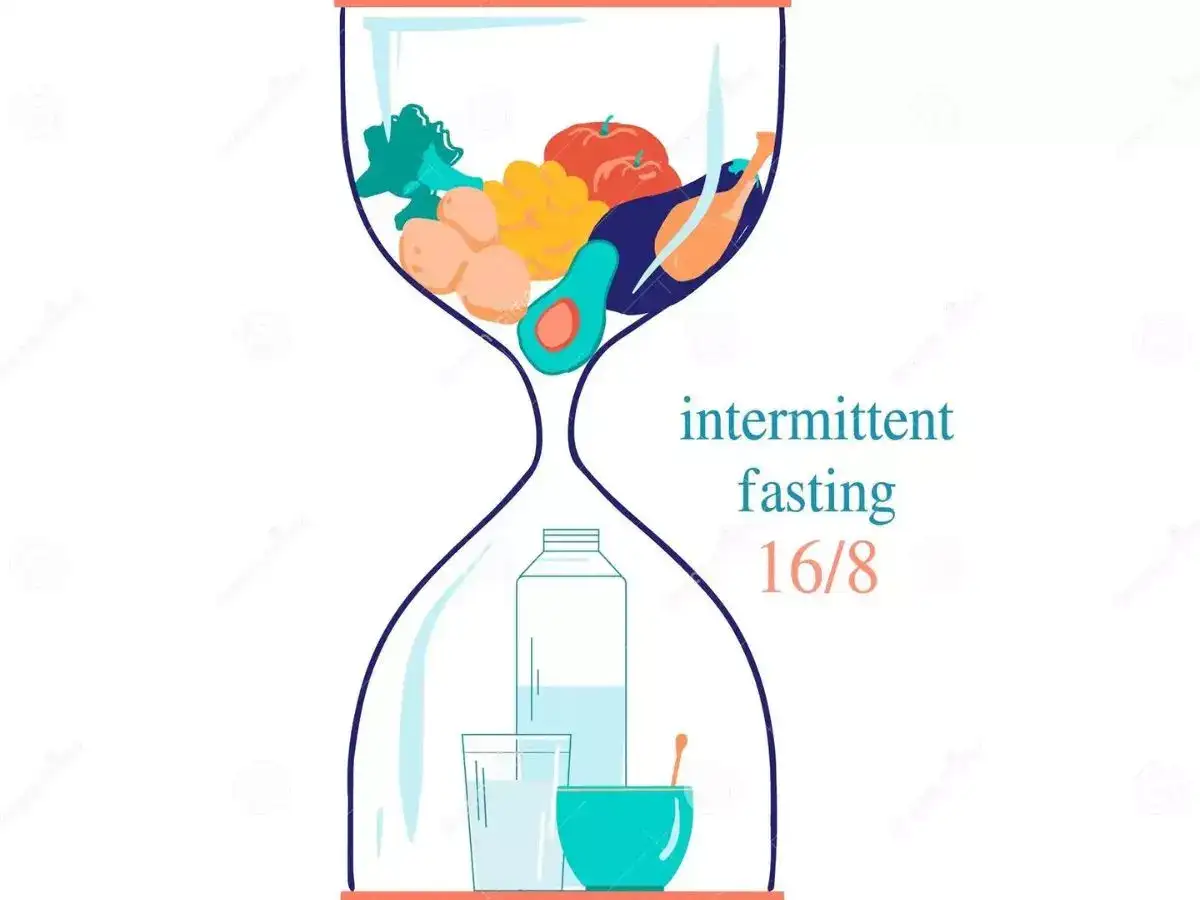
Typically, this entails fasting for 16 hours and consuming meals during an eight-hour window. It's worth noting that intermittent fasting is just one approach among various time-restricted diets. For instance, the 5:2 diet emphasizes controlling calorie intake, with participants eating normally for five days and restricting their intake to 25% of their usual calories for two non-consecutive days.
Here are some benefits of intermittent fasting:-
Reduced inflammation-
Animal research indicates that intermittent fasting (IF) and calorie restriction can potentially decrease inflammation, although there's a scarcity of clinical trials in this area. Seeking to bridge this gap, researchers examined whether a similar connection existed in humans. They conducted a study involving 50 individuals observing Ramadan, a Muslim holiday characterized by fasting from dawn to dusk and consuming meals during the night. The findings revealed that during the fasting period, levels of pro-inflammatory markers decreased compared to typical levels, alongside reductions in blood pressure, body weight, and body fat.
Changes in the function of hormones, cells, and Genes
When you don’t eat for a while, several things happen in your body. For example, your body changes hormone levels to make stored body fat accessible and start important cellular repair processes.
Here are some of the changes that may happen in your body as a result of intermittent fasting:
Typically, this entails fasting for 16 hours and consuming meals during an eight-hour window. It's worth noting that intermittent fasting is just one approach among various time-restricted diets. For instance, the 5:2 diet emphasizes controlling calorie intake, with participants eating normally for five days and restricting their intake to 25% of their usual calories for two non-consecutive days.
Here are some benefits of intermittent fasting:-
Reduced inflammation-
Animal research indicates that intermittent fasting (IF) and calorie restriction can potentially decrease inflammation, although there's a scarcity of clinical trials in this area. Seeking to bridge this gap, researchers examined whether a similar connection existed in humans. They conducted a study involving 50 individuals observing Ramadan, a Muslim holiday characterized by fasting from dawn to dusk and consuming meals during the night. The findings revealed that during the fasting period, levels of pro-inflammatory markers decreased compared to typical levels, alongside reductions in blood pressure, body weight, and body fat.
Changes in the function of hormones, cells, and Genes
When you don’t eat for a while, several things happen in your body. For example, your body changes hormone levels to make stored body fat accessible and start important cellular repair processes.
Here are some of the changes that may happen in your body as a result of intermittent fasting:
Next Story