
Vitamin D Superfoods: Boost Your Health With These Nutrient-Rich Choices

Are you getting enough Vitamin D ? This essential nutrient supports your nervous, muscular, and immune systems and aids in calcium absorption, crucial for strong bones. You can obtain Vitamin D from sunlight, diet, or supplements. Experts recommend about five to 30 minutes of unprotected sun exposure daily, or at least twice a week, for natural synthesis. However, prolonged sun exposure without sunscreen can accelerate skin ageing and increase the risk of skin cancer. Vitamin D plays a vital role in maintaining overall health, particularly bone health .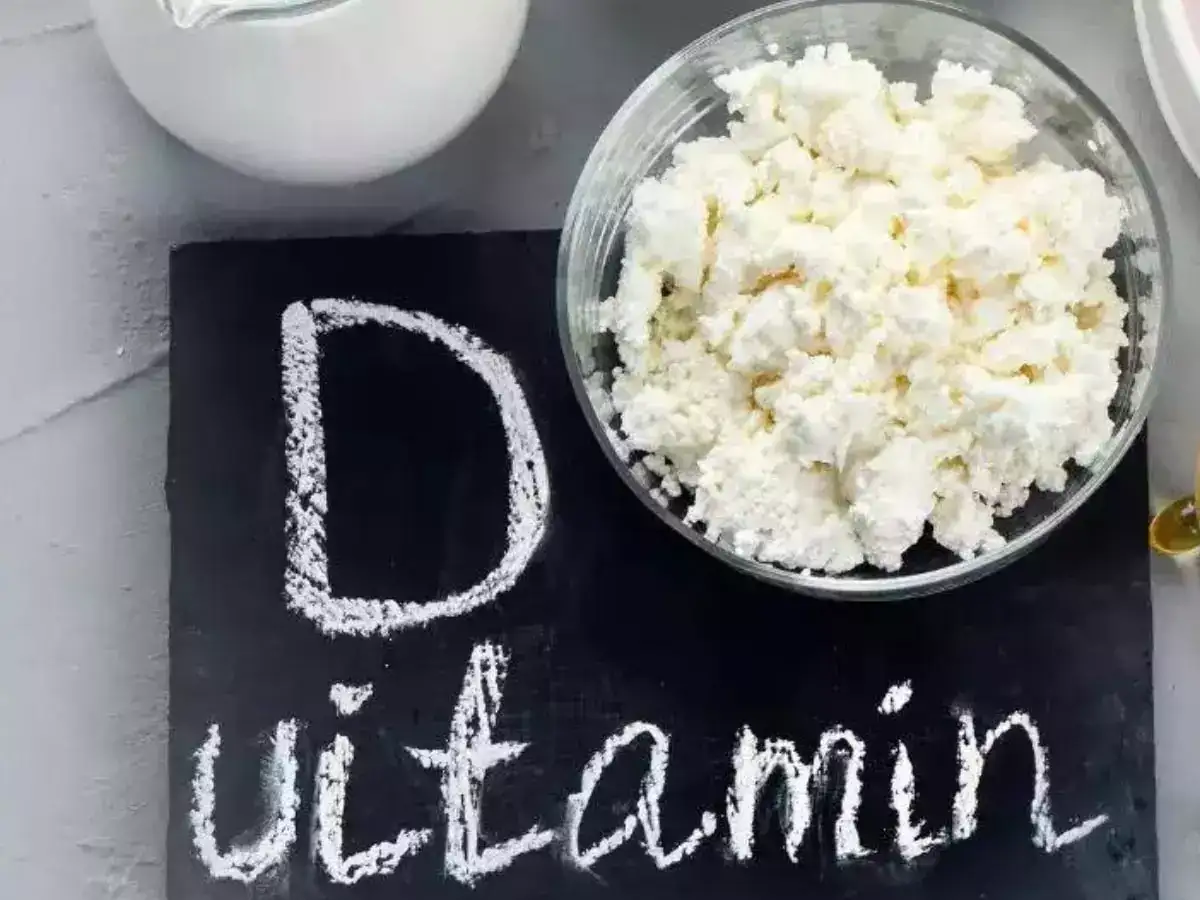
Research indicates that a deficiency in vitamin D may contribute to the onset of various chronic illnesses. With few natural dietary outlets for vitamin D, there's a pressing demand for alternatives to enhance dietary intake. Fortifying foods with vitamin D emerges as a viable strategy to bolster consumption and consequently elevate vitamin D levels.
Foods rich in Vitamin D :
Egg Yolks
Whole eggs serve as a nutritious option. Most of an egg's protein is found in the white, while the yolk contains fats, vitamins, and minerals. A single large egg yolk provides about 37 IU of vitamin D, equating to 5% of the Daily Value (DV). Various factors influence the vitamin D content of egg yolks, such as sun exposure for the chickens, the vitamin D content of their feed, and exposure of the liquid yolk to UV light. Eggs from pasture-raised chickens that have access to sunlight can contain 3–4 times more vitamin D than those from chickens raised indoors. Moreover, eggs from chickens fed with vitamin D-enriched feed may contain up to 34,815 IU of vitamin D per 100 grams of yolk. Considering a yolk weighs around 17 grams, this translates to approximately 2.5 times the DV of vitamin D in a single egg.
Mushrooms
Exposing mushrooms to sunlight or ultraviolet (UV) radiation boosts their vitamin D content. When commonly consumed mushrooms undergo this process, their vitamin D levels increase. However, the vitamin D content in UV-exposed mushrooms may diminish with storage and cooking. Researchers suggest consuming these mushrooms before the indicated 'best-before' date to ensure a vitamin D level surpassing 10 mcg per 100 g, which exceeds that of most vitamin D-rich foods and meets daily requirements. For instance, a specific brand of UV-exposed mushrooms known as Monterey Mushrooms furnishes 100% of the Daily Value (DV) for vitamin D per serving of 10 mushrooms.
Cod Liver Oil
Cod liver oil Cod liver oil stands as a widely used supplement, particularly for those averse to fish consumption. It offers a valuable source of nutrients that may otherwise be challenging to obtain. Rich in vitamin D, just a teaspoon (4.9 mL) of cod liver oil provides approximately 450 IU, comprising a significant 56% of the Daily Value (DV). Its historical use spans many years, primarily in addressing vitamin D deficiency and as part of treatments for ailments like rickets, psoriasis, and tuberculosis. Moreover, cod liver oil boasts high levels of vitamin A, offering 150% of the DV in a single teaspoon (4.9 mL). However, it's crucial to note that excessive vitamin A intake can be toxic, with the safe upper limit (UL) set at 3,000 mcg. A teaspoon of cod liver oil contains 1,350 mcg of vitamin A, emphasizing the importance of adhering to recommended dosage guidelines.
Additionally, cod liver oil is a notable source of omega-3 fatty acids, which are integral to heart health and inflammation reduction in the body. Alongside fatty fish, cod liver oil serves as another avenue for obtaining these beneficial fatty acids, especially for individuals with limited fish consumption.
Fortified foods
Many commercially produced foods have vitamin D added by manufacturers, a process known as fortification. These fortified foods, including cow's milk, orange juice, and various breakfast cereals, provide additional nutrients like vitamin D.
Vitamin D aids bone strength and essential bodily functions, such as immune support . Typically, individuals require around 600 IU of vitamin D daily, although this requirement may fluctuate depending on age. Vitamin D can be acquired through sunlight exposure, diet, or supplementation. Fish, mushrooms, and fortified kinds of milk are among the foods rich in vitamin D.
(With AI Inputs)
GENZ News, the ultimate destination for the trend-savvy generation! Stay on top of GenZ news with India's first and the only product for GENZs
Research indicates that a deficiency in vitamin D may contribute to the onset of various chronic illnesses. With few natural dietary outlets for vitamin D, there's a pressing demand for alternatives to enhance dietary intake. Fortifying foods with vitamin D emerges as a viable strategy to bolster consumption and consequently elevate vitamin D levels.
Foods rich in Vitamin D :
Egg Yolks
Whole eggs serve as a nutritious option. Most of an egg's protein is found in the white, while the yolk contains fats, vitamins, and minerals. A single large egg yolk provides about 37 IU of vitamin D, equating to 5% of the Daily Value (DV). Various factors influence the vitamin D content of egg yolks, such as sun exposure for the chickens, the vitamin D content of their feed, and exposure of the liquid yolk to UV light. Eggs from pasture-raised chickens that have access to sunlight can contain 3–4 times more vitamin D than those from chickens raised indoors. Moreover, eggs from chickens fed with vitamin D-enriched feed may contain up to 34,815 IU of vitamin D per 100 grams of yolk. Considering a yolk weighs around 17 grams, this translates to approximately 2.5 times the DV of vitamin D in a single egg.
Mushrooms
Exposing mushrooms to sunlight or ultraviolet (UV) radiation boosts their vitamin D content. When commonly consumed mushrooms undergo this process, their vitamin D levels increase. However, the vitamin D content in UV-exposed mushrooms may diminish with storage and cooking. Researchers suggest consuming these mushrooms before the indicated 'best-before' date to ensure a vitamin D level surpassing 10 mcg per 100 g, which exceeds that of most vitamin D-rich foods and meets daily requirements. For instance, a specific brand of UV-exposed mushrooms known as Monterey Mushrooms furnishes 100% of the Daily Value (DV) for vitamin D per serving of 10 mushrooms.
Cod Liver Oil
Cod liver oil Cod liver oil stands as a widely used supplement, particularly for those averse to fish consumption. It offers a valuable source of nutrients that may otherwise be challenging to obtain. Rich in vitamin D, just a teaspoon (4.9 mL) of cod liver oil provides approximately 450 IU, comprising a significant 56% of the Daily Value (DV). Its historical use spans many years, primarily in addressing vitamin D deficiency and as part of treatments for ailments like rickets, psoriasis, and tuberculosis. Moreover, cod liver oil boasts high levels of vitamin A, offering 150% of the DV in a single teaspoon (4.9 mL). However, it's crucial to note that excessive vitamin A intake can be toxic, with the safe upper limit (UL) set at 3,000 mcg. A teaspoon of cod liver oil contains 1,350 mcg of vitamin A, emphasizing the importance of adhering to recommended dosage guidelines.
Additionally, cod liver oil is a notable source of omega-3 fatty acids, which are integral to heart health and inflammation reduction in the body. Alongside fatty fish, cod liver oil serves as another avenue for obtaining these beneficial fatty acids, especially for individuals with limited fish consumption.
Fortified foods
Many commercially produced foods have vitamin D added by manufacturers, a process known as fortification. These fortified foods, including cow's milk, orange juice, and various breakfast cereals, provide additional nutrients like vitamin D.
Vitamin D aids bone strength and essential bodily functions, such as immune support . Typically, individuals require around 600 IU of vitamin D daily, although this requirement may fluctuate depending on age. Vitamin D can be acquired through sunlight exposure, diet, or supplementation. Fish, mushrooms, and fortified kinds of milk are among the foods rich in vitamin D.
(With AI Inputs)
GENZ News, the ultimate destination for the trend-savvy generation! Stay on top of GenZ news with India's first and the only product for GENZs






Loving Newspoint? Download the app now
