Vitamin D Superfoods: Boost Your Health With These Nutrient-Rich Choices

Are you getting enough Vitamin D ? This essential nutrient supports your nervous, muscular, and immune systems and aids in calcium absorption, crucial for strong bones. You can obtain Vitamin D from sunlight, diet, or supplements. Experts recommend about five to 30 minutes of unprotected sun exposure daily, or at least twice a week, for natural synthesis. However, prolonged sun exposure without sunscreen can accelerate skin ageing and increase the risk of skin cancer. Vitamin D plays a vital role in maintaining overall health, particularly bone health .
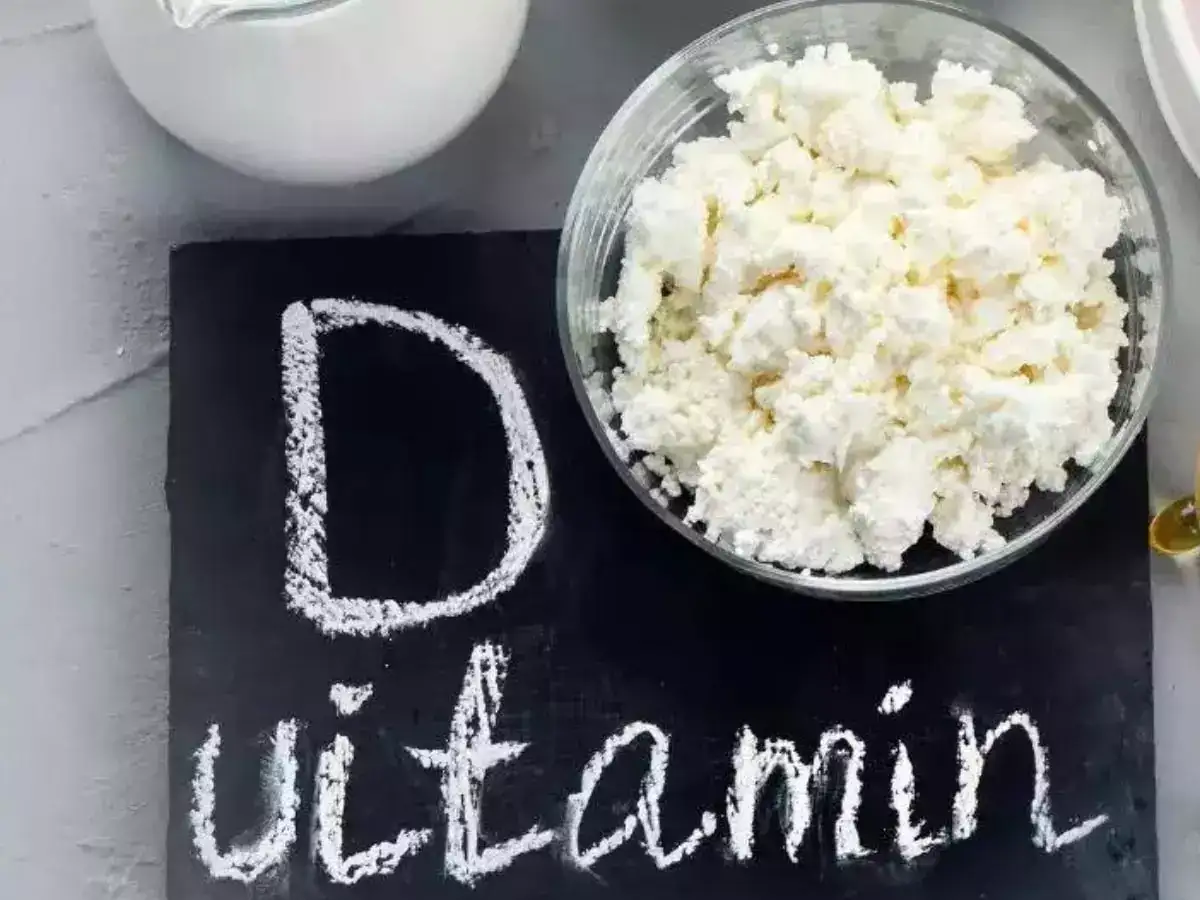
Research indicates that a deficiency in vitamin D may contribute to the onset of various chronic illnesses. With few natural dietary outlets for vitamin D, there's a pressing demand for alternatives to enhance dietary intake. Fortifying foods with vitamin D emerges as a viable strategy to bolster consumption and consequently elevate vitamin D levels.
Foods rich in Vitamin D :
Egg Yolks
Whole eggs serve as a nutritious option. Most of an egg's protein is found in the white, while the yolk contains fats, vitamins, and minerals. A single large egg yolk provides about 37 IU of vitamin D, equating to 5% of the Daily Value (DV). Various factors influence the vitamin D content of egg yolks, such as sun exposure for the chickens, the vitamin D content of their feed, and exposure of the liquid yolk to UV light. Eggs from pasture-raised chickens that have access to sunlight can contain 3–4 times more vitamin D than those from chickens raised indoors. Moreover, eggs from chickens fed with vitamin D-enriched feed may contain up to 34,815 IU of vitamin D per 100 grams of yolk. Considering a yolk weighs around 17 grams, this translates to approximately 2.5 times the DV of vitamin D in a single egg.
Mushrooms
Exposing mushrooms to sunlight or ultraviolet (UV) radiation boosts their vitamin D content. When commonly consumed mushrooms undergo this process, their vitamin D levels increase. However, the vitamin D content in UV-exposed mushrooms may diminish with storage and cooking. Researchers suggest consuming these mushrooms before the indicated 'best-before' date to ensure a vitamin D level surpassing 10 mcg per 100 g, which exceeds that of most vitamin D-rich foods and meets daily requirements. For instance, a specific brand of UV-exposed mushrooms known as Monterey Mushrooms furnishes 100% of the Daily Value (DV) for vitamin D per serving of 10 mushrooms.
Cod Liver Oil
Cod liver oil Cod liver oil stands as a widely used supplement, particularly for those averse to fish consumption. It offers a valuable source of nutrients that may otherwise be challenging to obtain. Rich in vitamin D, just a teaspoon (4.9 mL) of cod liver oil provides approximately 450 IU, comprising a significant 56% of the Daily Value (DV). Its historical use spans many years, primarily in addressing vitamin D deficiency and as part of treatments for ailments like rickets, psoriasis, and tuberculosis. Moreover, cod liver oil boasts high levels of vitamin A, offering 150% of the DV in a single teaspoon (4.9 mL). However, it's crucial to note that excessive vitamin A intake can be toxic, with the safe upper limit (UL) set at 3,000 mcg. A teaspoon of cod liver oil contains 1,350 mcg of vitamin A, emphasizing the importance of adhering to recommended dosage guidelines.
Research indicates that a deficiency in vitamin D may contribute to the onset of various chronic illnesses. With few natural dietary outlets for vitamin D, there's a pressing demand for alternatives to enhance dietary intake. Fortifying foods with vitamin D emerges as a viable strategy to bolster consumption and consequently elevate vitamin D levels.
Foods rich in Vitamin D :
Egg Yolks
Whole eggs serve as a nutritious option. Most of an egg's protein is found in the white, while the yolk contains fats, vitamins, and minerals. A single large egg yolk provides about 37 IU of vitamin D, equating to 5% of the Daily Value (DV). Various factors influence the vitamin D content of egg yolks, such as sun exposure for the chickens, the vitamin D content of their feed, and exposure of the liquid yolk to UV light. Eggs from pasture-raised chickens that have access to sunlight can contain 3–4 times more vitamin D than those from chickens raised indoors. Moreover, eggs from chickens fed with vitamin D-enriched feed may contain up to 34,815 IU of vitamin D per 100 grams of yolk. Considering a yolk weighs around 17 grams, this translates to approximately 2.5 times the DV of vitamin D in a single egg.
Mushrooms
Exposing mushrooms to sunlight or ultraviolet (UV) radiation boosts their vitamin D content. When commonly consumed mushrooms undergo this process, their vitamin D levels increase. However, the vitamin D content in UV-exposed mushrooms may diminish with storage and cooking. Researchers suggest consuming these mushrooms before the indicated 'best-before' date to ensure a vitamin D level surpassing 10 mcg per 100 g, which exceeds that of most vitamin D-rich foods and meets daily requirements. For instance, a specific brand of UV-exposed mushrooms known as Monterey Mushrooms furnishes 100% of the Daily Value (DV) for vitamin D per serving of 10 mushrooms.
Cod Liver Oil
Cod liver oil Cod liver oil stands as a widely used supplement, particularly for those averse to fish consumption. It offers a valuable source of nutrients that may otherwise be challenging to obtain. Rich in vitamin D, just a teaspoon (4.9 mL) of cod liver oil provides approximately 450 IU, comprising a significant 56% of the Daily Value (DV). Its historical use spans many years, primarily in addressing vitamin D deficiency and as part of treatments for ailments like rickets, psoriasis, and tuberculosis. Moreover, cod liver oil boasts high levels of vitamin A, offering 150% of the DV in a single teaspoon (4.9 mL). However, it's crucial to note that excessive vitamin A intake can be toxic, with the safe upper limit (UL) set at 3,000 mcg. A teaspoon of cod liver oil contains 1,350 mcg of vitamin A, emphasizing the importance of adhering to recommended dosage guidelines.
Next Story