The History Of Pride Month: How It All Began

Pride Month , celebrated each June, is a time for the LGBTQ+ community and its allies to come together in celebration, reflection and advocacy. Pride Month features parades, events and activities that promote awareness, acceptance, and support for LGBTQ+ individuals and their rights. Its roots are deeply embedded in a history of struggle and resilience, tracing back to a pivotal moment in the fight for LGBTQ+ rights: the Stonewall Riots .
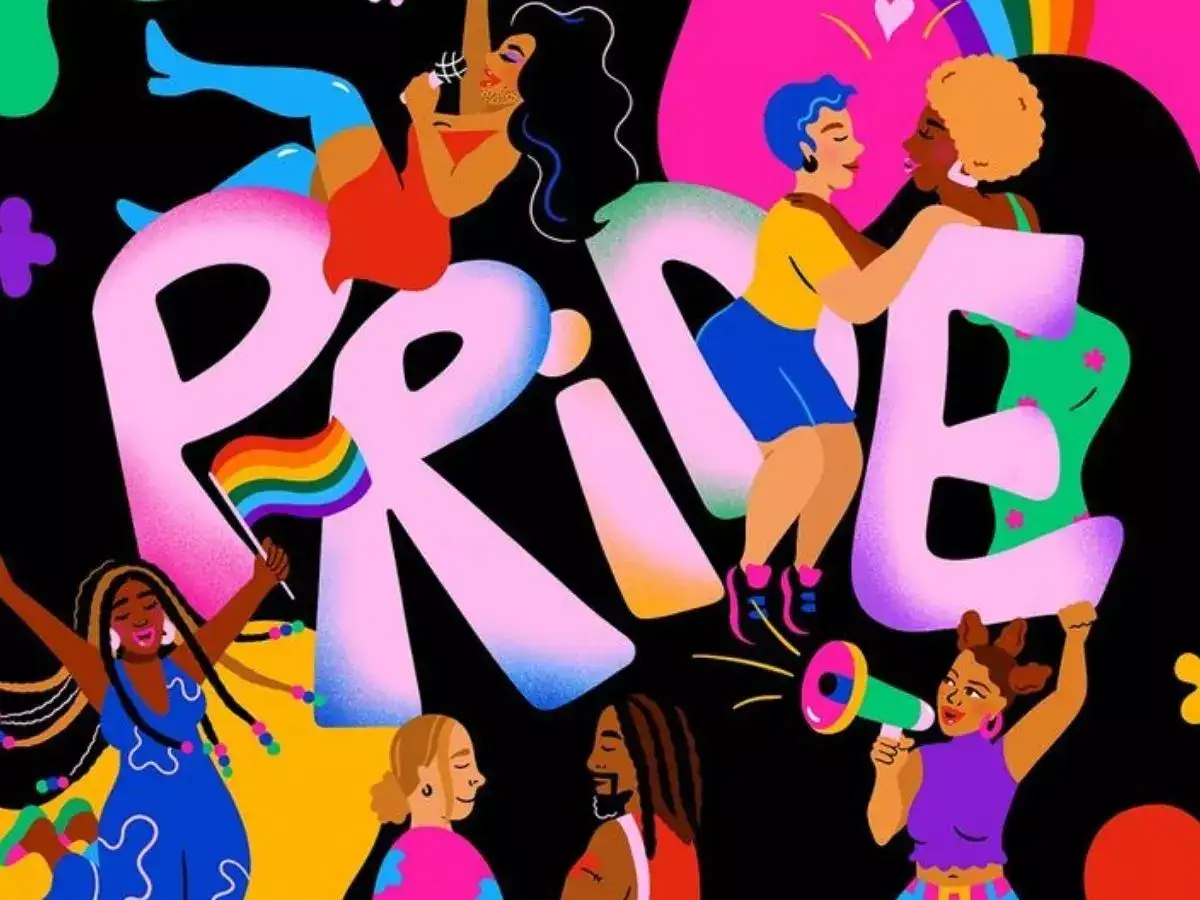
Hero Image


The Stonewall Riots: A Catalyst for Change
In the early hours of June 28, 1969, a police raid at the Stonewall Inn, a popular gay bar in New York City's Greenwich Village, sparked what would become a turning point in LGBTQ+ history. Police raids on gay bars were commonplace at the time, often resulting in the harassment and arrest of patrons. However, on this night, the community fought back.

The tension between the police and the patrons of the Stonewall Inn quickly escalated into a series of spontaneous demonstrations and clashes. For six days, members of the LGBTQ+ community, particularly transgender individuals, drag queens, and homeless youth, stood their ground, demanding respect and equality. The Stonewall Riots galvanised the community, serving as a loud and defiant call for change.


The Formation of Pride
In the aftermath of Stonewall, the LGBTQ+ community recognised the need for a unified and visible movement. In 1970, on the first anniversary of the riots, the first Pride marches were held in New York, Los Angeles, and Chicago. These marches were not just celebrations; they were acts of defiance and solidarity, signalling a new era of visibility and activism.

The New York march, known as the Christopher Street Liberation Day March, saw thousands of participants walking from Greenwich Village to Central Park. The event was characterised by its jubilant and defiant spirit, setting the tone for future Pride celebrations.