
5 Countries That Share Their Independence Day With India: A Global Celebration

Every year on 15 August, millions of Indian citizens across the globe come together to celebrate national freedom, honor historic sacrifices, and unfurl the tricolour flag. While this significant milestone marks India's liberation from British colonial rule in 1947, many people are surprised to learn that this calendar date holds immense historical weight for several other sovereign states. Across Africa, East Asia, the Middle East, and Central Europe, different nations commemorate 15 August as an essential turning point in their national narratives. Exploring the stories of 5 countries that share their independence day with India highlights how diverse global paths can intersect on a single day of freedom and national identity.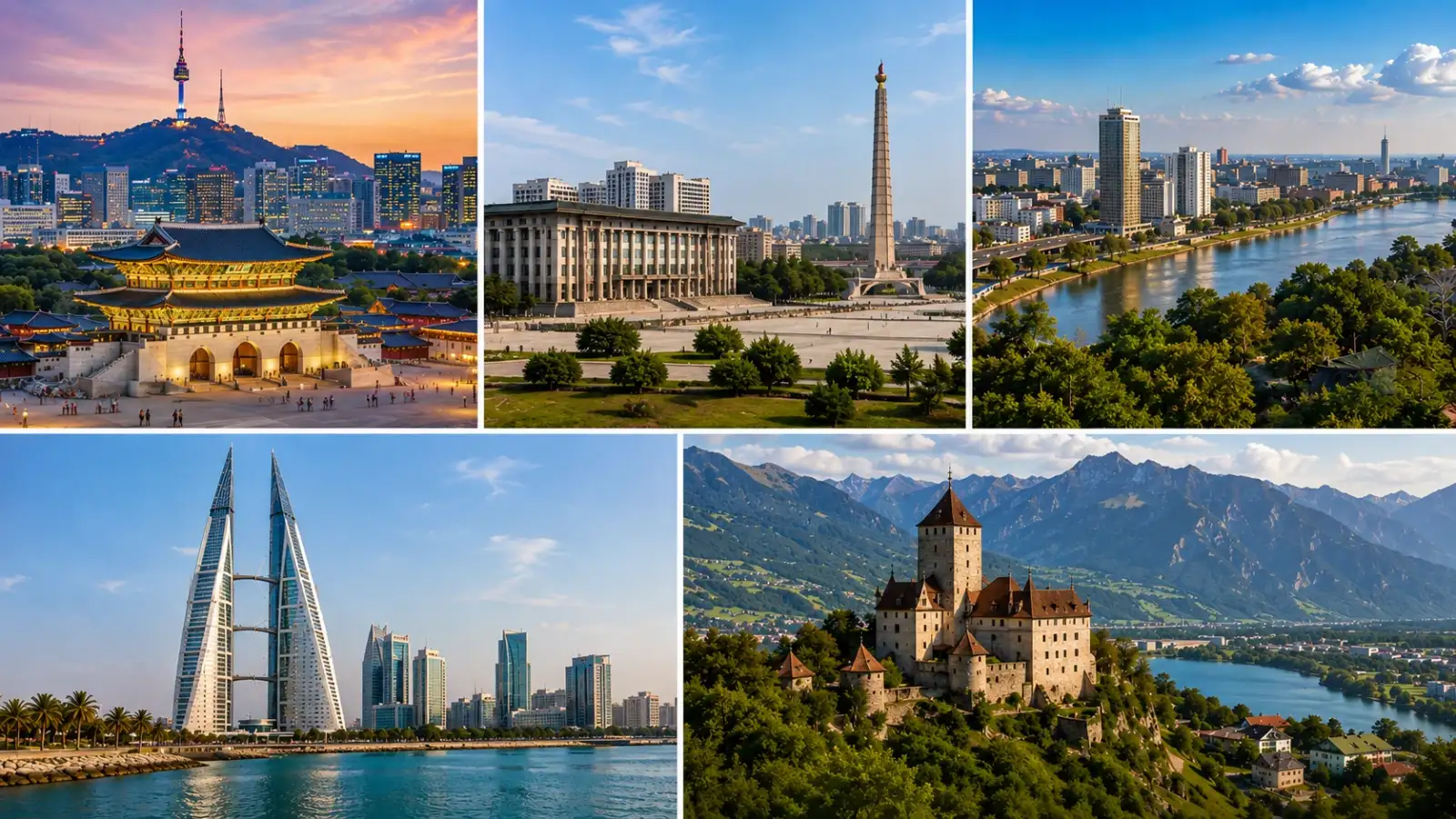
South Korea: Reclaiming light and sovereignty in East Asia
For the people of South Korea, 15 August is celebrated as Gwangbokjeol, a phrase that translates to the day the light returned. This historic occasion marks the end of thirty-five years of harsh Japanese imperial occupation across the Korean Peninsula in 1945. Following the conclusion of the Second World War, the Korean people finally reclaimed their territorial sovereignty. Exactly three years later, on 15 August 1948, the Republic of Korea was officially established in Seoul. Today, South Koreans observe this public holiday with official state ceremonies, vibrant community parades, and nationwide flag raising events.North Korea: Celebrating anti-colonial liberation
Despite intense geopolitical divisions across the Korean Peninsula, North Korea also recognizes 15 August as its official Liberation Day, known locally as Chogukhaebangui Nal. Both Korean nations share the same foundational historical memory of liberation from Japanese colonial administration in 1945. While political developments eventually split the peninsula into two distinct entities, this specific calendar date remains one of the rare common historic anniversaries recognized on both sides of the border. In North Korea, the holiday is typically marked by official speeches, flower laying ceremonies at national monuments, and cultural performances in the capital city.Republic of the Congo: Independence from French colonial administration
Located in Central Africa, the Republic of the Congo, often called Congo-Brazzaville, gained its full national independence from France on 15 August 1960. After decades under French Equatorial Africa administration, local political movements successfully negotiated full self-governance. This momentous event occurred during a massive historical wave of decolonization across the African continent in the mid-twentieth century. Every year, Congolese citizens observe 15 August with national pride, featuring lively street music, traditional cultural performances, military parades, and festive community gatherings across Brazzaville.Bahrain: Declaring independence in the Persian Gulf
The Gulf nation of Bahrain formally declared its complete political independence from British treaty protection on 15 August 1971. Following a United Nations survey that confirmed the public's desire for a sovereign Arab state, Bahrain officially ended its long-standing protectorate arrangement with Great Britain. Although 15 August represents the official legal signing of their independence treaty, the country actually celebrates its official National Day on 16 December to mark the ascension of its late ruler to power. Nevertheless, 15 August remains a pivotal historical turning point in Bahrain's modern transition to full statehood.Liechtenstein: A unique Alpine national celebration
Nestled in the heart of Europe, the tiny principality of Liechtenstein celebrates its official National Day on 15 August. Unlike the other nations on this list, Liechtenstein's holiday does not stem from breaking away from a colonial power. Instead, government leaders established the holiday in 1940 by combining a major local religious festival, the Feast of the Assumption, with the birthday celebration of the ruling Prince, Franz Josef II. Today, the entire country gathers near Vaduz Castle for public speeches, community feasts, open air concerts, and a grand evening fireworks display.





Loving Newspoint? Download the app now
