
Is Freedom Different for Every Generation? Tracing the Legacy of Change

Freedom is one of the most cherished ideals in human history, yet its exact definition has never remained completely static. What meant liberation to people living a century ago looks remarkably different from what young individuals desire today. As societal structures change, economic realities shift, and new technologies emerge, each era redefines its own boundaries and core priorities. Examining whether freedom is different for every generation reveals how human expectations naturally evolve from basic physical survival toward deeply personal self-expression and digital independence.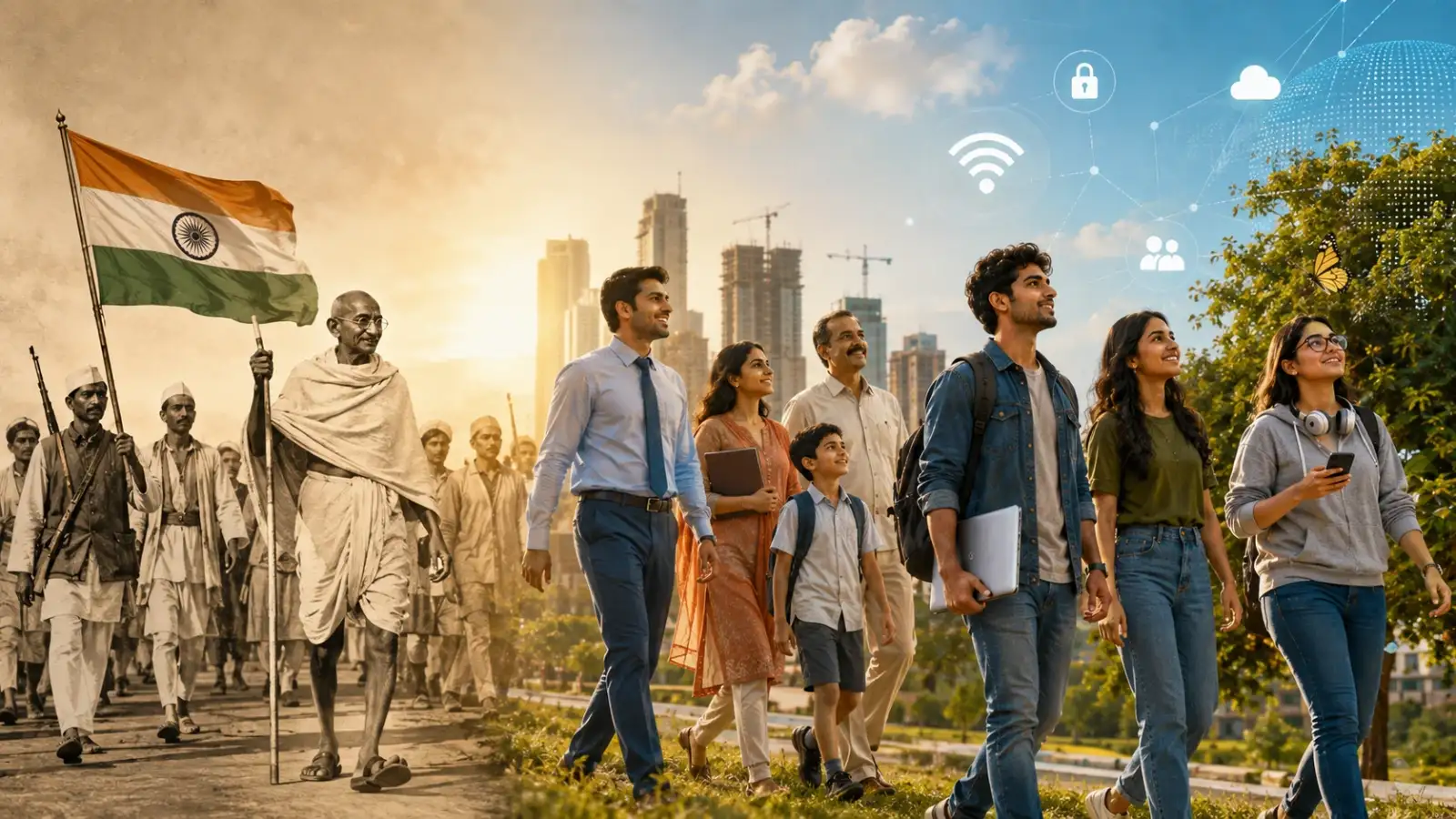
The struggle for physical liberation and national sovereignty
For older generations, particularly those who lived through early twentieth-century struggles, freedom was primarily a collective and political pursuit. It meant breaking away from foreign colonial rulers, ending institutional oppression, and securing basic civil rights for all citizens. For these brave ancestors, true liberty was defined by the right to self-governance, the freedom to vote in fair elections, and the ability to live safely without fear of tyranny or foreign control. Their sacrifices built the foundational legal frameworks and constitutional protections that modern societies enjoy today. For them, personal desires took a backseat to securing collective national sovereignty.Economic security and social stability for middle generations
As nations secured political independence, the focus of freedom shifted noticeably toward economic stability and social upward mobility. For the generations that followed, being free meant securing stable employment, owning a permanent family home, and providing quality education for their children. This era viewed financial independence as the ultimate shield against uncertainty and hardship. People sought the liberty to choose their professions, build long-term security, and rise above financial limitations. Their concept of personal autonomy was heavily tied to hard work, family responsibility, and economic progress within established social structures.Personal autonomy, identity, and mental well-being today
In contrast, today's younger generation operates in a world where basic political rights and economic systems are largely taken for granted, even if inequalities still exist. For Gen Z and young millennials, freedom has expanded inward toward absolute personal autonomy, fluid identity choices, and emotional well-being. Modern youth view freedom as the right to express their authentic selves without judgment, break away from outdated social stereotypes, and prioritize mental health over toxic work cultures. They seek flexible lifestyle choices, career pathways that align with their personal values, and the space to challenge traditional lifestyle timelines.Digital connectivity and the modern challenge of online privacy
The rapid rise of the internet has introduced an entirely new dimension to human independence. Today's generation enjoys unprecedented digital freedom, with instant access to worldwide information, remote work flexibility, and global communication networks. However, this digital era also brings unique limitations that previous generations never had to imagine. Issues like digital surveillance, online data collection, social media pressure, and digital addiction pose serious threats to personal peace. Thus, for the current generation, freedom also means defending digital privacy, disconnecting from constant screen use, and preserving mental clarity in an overstimulated world.Finding common ground across changing generational views
While the specific targets of freedom change with time, the fundamental human desire for dignity, respect, and self-determination remains universal. Older generations must recognize that young people are not rejecting tradition simply out of disrespect, but are adapting their understanding of freedom to fit a fast-changing world. At the same time, younger individuals must appreciate that their current personal choices exist only because previous generations fought hard for foundational political and financial security. Recognizing that freedom is a dynamic, continuous journey allows different age groups to respect each other's unique perspectives and work together toward a fairer, more compassionate society.





Loving Newspoint? Download the app now
