
LPG, PNG Price Today: City-Wise Domestic and Commercial Gas Rates in India

Fuel prices across India are climbing in quick succession, raising fresh concerns that LPG rates could also face upward revision soon. Oil Marketing Companies (OMCs) are under financial strain due to rising global crude prices and ongoing geopolitical tensions in West Asia, which continue to disrupt energy markets.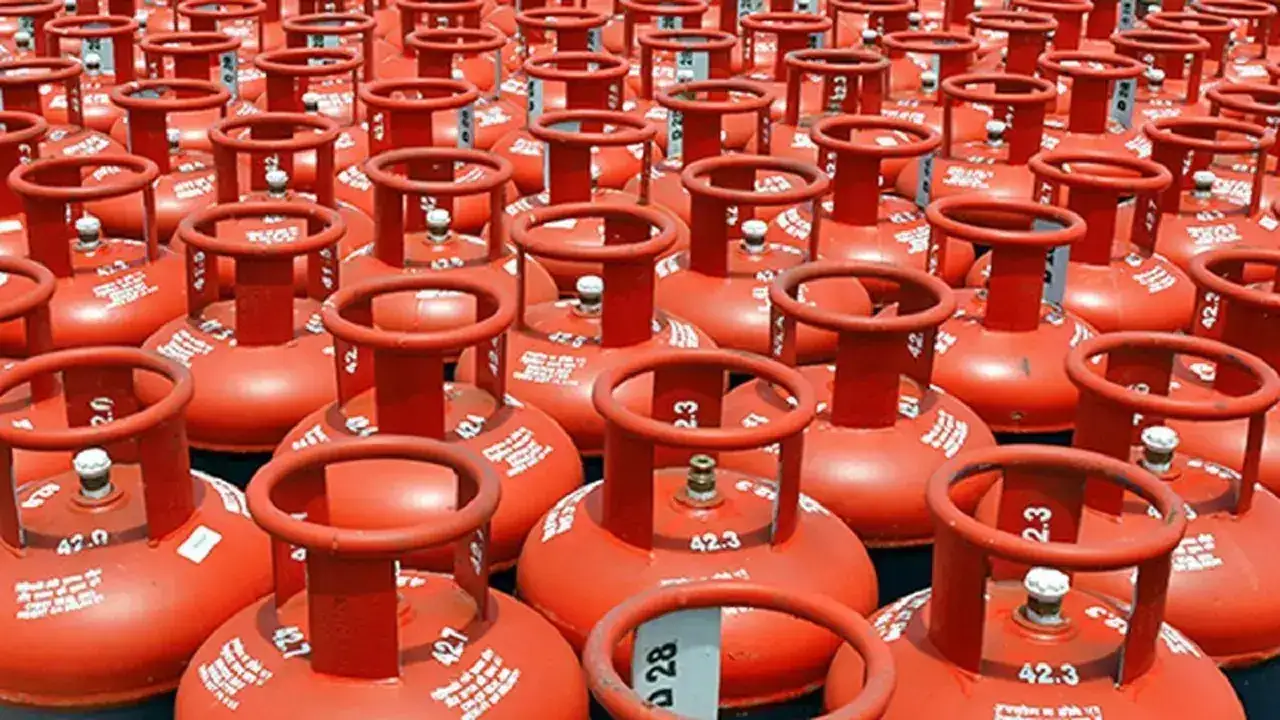
Petrol, Diesel, and CNG Already Up Sharply
In the past few weeks, petrol and diesel prices have been revised upward four times, leading to a total increase of around ₹7.5 per litre. CNG prices have also been increased by ₹2 per kg, pushing the cumulative hike since mid-May to about ₹6 per kg.
In Delhi, CNG is now priced at ₹83.09 per kg.
These adjustments are aimed at easing pressure on oil company margins while trying to limit inflationary impact on consumers. However, economists warn that ripple effects on transportation and daily goods may still follow.
LPG Prices Under Watch
While domestic LPG cylinder prices have remained unchanged for now, market watchers say pressure is building. Commercial LPG cylinders were recently increased by ₹993 on May 1, along with a ₹261 hike in 5 kg cylinders, signaling volatility in the segment.
Current domestic LPG rates (14.2 kg cylinder) remain:
PNG Prices Also Steady, for Now
Piped Natural Gas (PNG) rates have also held steady across major cities, per SCM:
Government Says Supply is Stable
Amid rising fuel costs, the government has reviewed the supply of petrol, diesel, LPG, and fertilisers. Officials have reassured that availability remains normal and there is no need for panic buying.
Defence Minister Rajnath Singh, after chairing a review meeting on the West Asia situation, stated that the government is closely monitoring supply chains and ensuring uninterrupted availability of essential fuels.
Authorities have also urged citizens to avoid panic purchases, emphasizing that current stock levels are stable.
Rajnath Singh wrote on X, "“The supply situation in the country today is normal,” and urged citizens to “avoid panic purchases of petrol, diesel and LPG as the Government is leaving no stone unturned to ensure the availability of all essential items.”
Why Prices Are Rising
The recent price pressures are mainly linked to:
For now, LPG prices remain unchanged, but the steady rise in petrol, diesel, and CNG indicates that domestic gas rates could come under pressure if global crude prices stay elevated. Consumers are likely to remain cautious as fuel costs continue to influence everyday expenses across transport and household budgets.
Petrol, Diesel, and CNG Already Up Sharply
In the past few weeks, petrol and diesel prices have been revised upward four times, leading to a total increase of around ₹7.5 per litre. CNG prices have also been increased by ₹2 per kg, pushing the cumulative hike since mid-May to about ₹6 per kg. In Delhi, CNG is now priced at ₹83.09 per kg.
These adjustments are aimed at easing pressure on oil company margins while trying to limit inflationary impact on consumers. However, economists warn that ripple effects on transportation and daily goods may still follow.
LPG Prices Under Watch
While domestic LPG cylinder prices have remained unchanged for now, market watchers say pressure is building. Commercial LPG cylinders were recently increased by ₹993 on May 1, along with a ₹261 hike in 5 kg cylinders, signaling volatility in the segment.Current domestic LPG rates (14.2 kg cylinder) remain:
- Delhi: ₹913
- Mumbai: ₹912.5
- Bengaluru: ₹915.5
- Hyderabad: ₹965
- Chennai: ₹928.5
- Kolkata: ₹939
- Delhi: ₹3,071.50
- Mumbai: ₹3,024
- Bengaluru: ₹3,152
- Hyderabad: ₹3,315
- Chennai: ₹3,237
- Kolkata: ₹3,202
PNG Prices Also Steady, for Now
Piped Natural Gas (PNG) rates have also held steady across major cities, per SCM: - Delhi: ₹47.9
- Mumbai: ₹50
- Bengaluru: ₹52
- Hyderabad: ₹51
- Chennai: ₹50
- Kolkata: ₹50
Government Says Supply is Stable
Amid rising fuel costs, the government has reviewed the supply of petrol, diesel, LPG, and fertilisers. Officials have reassured that availability remains normal and there is no need for panic buying. Defence Minister Rajnath Singh, after chairing a review meeting on the West Asia situation, stated that the government is closely monitoring supply chains and ensuring uninterrupted availability of essential fuels.
Authorities have also urged citizens to avoid panic purchases, emphasizing that current stock levels are stable.
Rajnath Singh wrote on X, "“The supply situation in the country today is normal,” and urged citizens to “avoid panic purchases of petrol, diesel and LPG as the Government is leaving no stone unturned to ensure the availability of all essential items.”
Why Prices Are Rising
The recent price pressures are mainly linked to: - Sustained rise in global crude oil prices
- Geopolitical tensions in West Asia
- Financial stress on oil marketing companies
- Supply uncertainty in international energy markets
For now, LPG prices remain unchanged, but the steady rise in petrol, diesel, and CNG indicates that domestic gas rates could come under pressure if global crude prices stay elevated. Consumers are likely to remain cautious as fuel costs continue to influence everyday expenses across transport and household budgets.
Next Story