
Delhi High Court to Hear PIL Alleging Police Excesses During CJP Parliament March Today

The Delhi High Court is scheduled to hear a Public Interest Litigation ( PIL ) on Tuesday concerning allegations of excessive use of force by Delhi Police during the Citizens Justice Platform (CJP) Parliament March held in the national capital.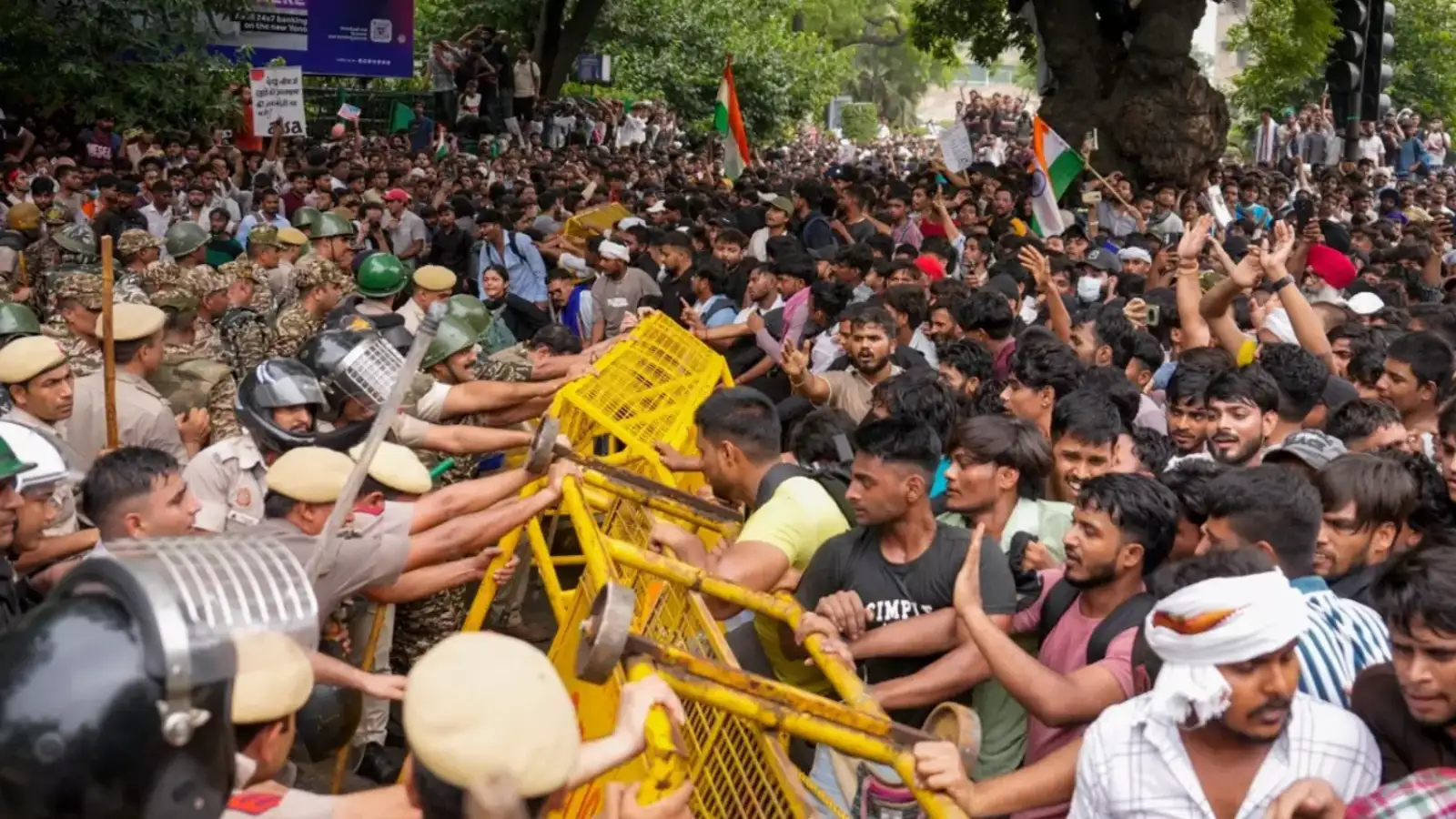
The petition has been filed amid growing political and public debate over the police action taken against protesters who were marching towards Parliament to press their demands. The PIL seeks judicial intervention, alleging that security personnel used disproportionate force against demonstrators, resulting in injuries and violations of their fundamental rights. According to the court's cause list, the matter has been listed for hearing before a division bench today.
Additionally, the plea asks the court to ensure accountability if any violation of constitutional rights or established policing protocols is found during the handling of the demonstration.
The petition argues that citizens have a constitutional right to assemble peacefully and that any restrictions imposed by authorities must be reasonable, proportionate and in accordance with the law.
Delhi Police had earlier stated that the protesters did not have permission to march into the restricted area. Authorities maintained that extensive security arrangements were already in place because Parliament was in session, making it necessary to prevent large gatherings near the complex.
As protesters attempted to move forward, clashes reportedly broke out between demonstrators and police personnel. Videos circulating on social media showed police using barricades, physical force and detentions to disperse sections of the crowd. Several participants claimed they sustained injuries during the confrontation.
Several political figures, including leaders from opposition parties, have expressed support for the protesters and demanded an impartial inquiry into the incident. Some lawmakers alleged that women and elderly protesters were also subjected to rough handling during the march.
On the other hand, Delhi Police has defended its actions, stating that officers acted in accordance with security protocols after protesters allegedly attempted to breach barricades and enter a prohibited area near Parliament. Officials have maintained that only the minimum necessary force was used to maintain law and order.
If notices are issued, the respondents will be required to place their version of events before the court. The bench may also consider whether an independent inquiry or other interim relief is necessary while the matter is being adjudicated.
The outcome of the hearing could have wider implications for the balance between maintaining public order and protecting citizens' constitutional right to peaceful protest. As the legal proceedings begin, both protesters and authorities are expected to closely watch the High Court's observations on the matter.
The petition has been filed amid growing political and public debate over the police action taken against protesters who were marching towards Parliament to press their demands. The PIL seeks judicial intervention, alleging that security personnel used disproportionate force against demonstrators, resulting in injuries and violations of their fundamental rights. According to the court's cause list, the matter has been listed for hearing before a division bench today.
What the PIL Seeks
The petition reportedly requests the High Court to direct an independent investigation into the police action during the protest. It also seeks preservation of CCTV footage and other electronic evidence related to the incident, along with medical records of those allegedly injured during the crackdown.Additionally, the plea asks the court to ensure accountability if any violation of constitutional rights or established policing protocols is found during the handling of the demonstration.
The petition argues that citizens have a constitutional right to assemble peacefully and that any restrictions imposed by authorities must be reasonable, proportionate and in accordance with the law.
You may also like
- 'It is a party of barely 20 people': Kalyan Banerjee hits out at TMC rebels
- 'Chapter is behind me': Lalit Modi says he'll return to India soon
- India-China ties gradually normalising since Modi-Xi Kazan meeting: Jaishankar
- NEET impasse deepens: Goverment says 'discuss', opposition says 'Pradhan must go'
- Class 11 Dropout Arrested For Developing 121 Fake APKs Apps Used In ₹65 Crore Cyber Fraud
Background of the CJP Parliament March
The CJP organised the Parliament March to highlight a range of issues and demand government action. Protesters gathered in Delhi and attempted to march towards Parliament despite restrictions imposed in the high-security zone around the Parliament complex.Delhi Police had earlier stated that the protesters did not have permission to march into the restricted area. Authorities maintained that extensive security arrangements were already in place because Parliament was in session, making it necessary to prevent large gatherings near the complex.
As protesters attempted to move forward, clashes reportedly broke out between demonstrators and police personnel. Videos circulating on social media showed police using barricades, physical force and detentions to disperse sections of the crowd. Several participants claimed they sustained injuries during the confrontation.
Political Reactions
The police action has triggered sharp political reactions. Opposition leaders accused the Delhi Police of using excessive force against peaceful demonstrators and called for accountability.Several political figures, including leaders from opposition parties, have expressed support for the protesters and demanded an impartial inquiry into the incident. Some lawmakers alleged that women and elderly protesters were also subjected to rough handling during the march.
On the other hand, Delhi Police has defended its actions, stating that officers acted in accordance with security protocols after protesters allegedly attempted to breach barricades and enter a prohibited area near Parliament. Officials have maintained that only the minimum necessary force was used to maintain law and order.
What Happens Next?
The Delhi High Court's hearing is expected to focus on whether the allegations presented in the PIL warrant judicial intervention at this stage. The court may seek responses from the Delhi Police, the Union Ministry of Home Affairs and other concerned authorities before deciding on the next course of action.If notices are issued, the respondents will be required to place their version of events before the court. The bench may also consider whether an independent inquiry or other interim relief is necessary while the matter is being adjudicated.
The outcome of the hearing could have wider implications for the balance between maintaining public order and protecting citizens' constitutional right to peaceful protest. As the legal proceedings begin, both protesters and authorities are expected to closely watch the High Court's observations on the matter.






Loving Newspoint? Download the app now
