
Delhi-Siliguri Bullet Train: New High-Speed Corridor Could Reduce 20-Hour Journey To Around 7 Hours

The proposed Delhi-Siliguri bullet train corridor has reached an important stage with the detailed project report for the 865-km route submitted to the Railway Ministry. The proposed high-speed rail link will connect Delhi with Siliguri through Varanasi and Patna, with the journey times on several key sections expected to fall substantially.
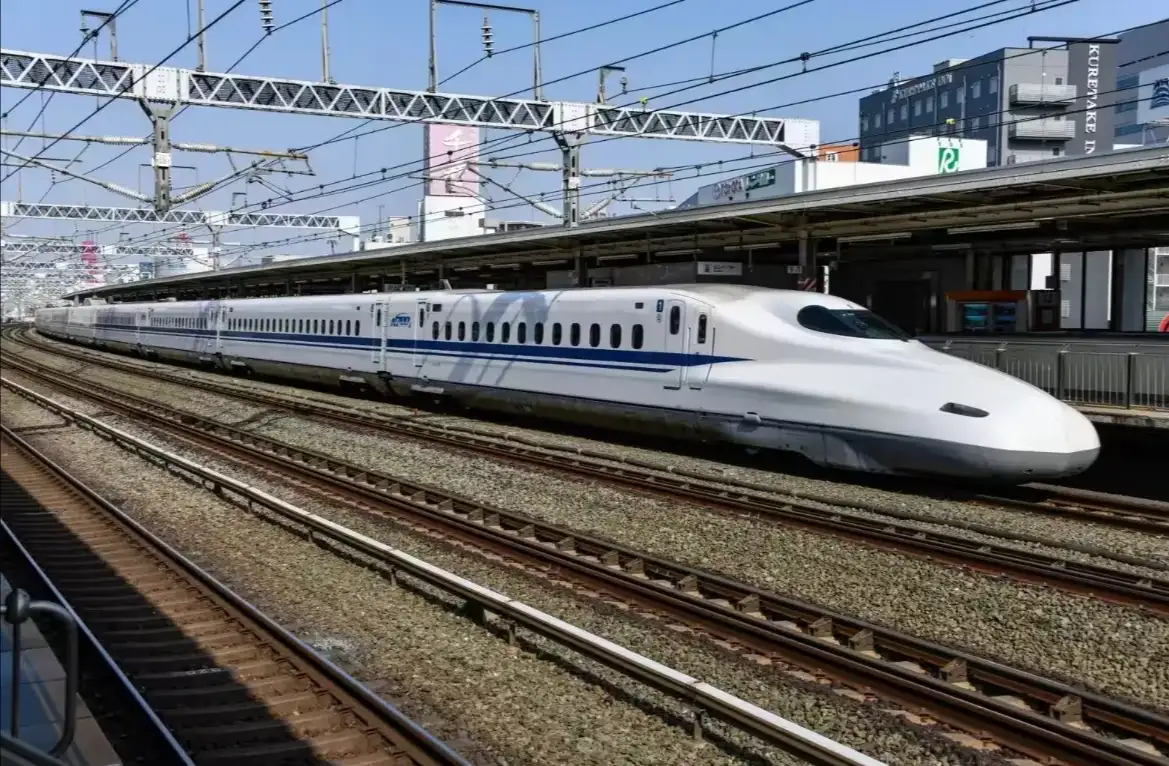
The project is now moving into a phase focused on administrative preparation and groundwork. Senior appointments, surveys, land-related work and coordination between different locations are expected to form part of the next steps.
Delhi To Patna Could Take Less Than Five Hours
One of the biggest changes expected from the Delhi-Siliguri bullet train project is the reduction in journey time between major cities. The proposed Delhi-Varanasi section, covering around 756 km, could be completed in approximately 3 hours and 50 minutes.At present, travelling between Delhi and Varanasi by rail can take around 11 to 12 hours, depending on the service. The proposed high-speed rail connection would therefore significantly shorten the time required for the journey.
The Delhi-Patna journey could also see a major reduction. A trip that currently takes around 12 to 14 hours could come down to approximately 4 hours and 41 minutes under the proposed high-speed rail plan.
Delhi-Siliguri Journey Could Fall To Around Seven Hours
The proposed Delhi-Siliguri bullet train route is expected to cover the long-distance connection in around 6 hours and 45 minutes. Existing rail journeys between the two cities can take roughly 20 to 24 hours.The Varanasi-Siliguri section, covering around 744 km, is projected to take approximately 2 hours and 55 minutes. The journey between Patna and Siliguri could be completed in around two hours.
These projected timings indicate the potential scale of the high-speed rail corridor for long-distance passenger travel across northern and eastern India.
Key Cities Could Gain Faster Rail Connectivity
The proposed Delhi-Varanasi-Patna-Siliguri corridor is expected to pass through important locations in Uttar Pradesh and Bihar before reaching Siliguri. In Bihar, the route is expected to enter through Varanasi and pass through cities such as Buxar, Ara and Patna.Patna is also expected to be one of the possible stops on the corridor. For the state, the project could create a faster connection with Delhi and other major centres along the route.
According to railway officials, improved travel times could also support wider regional connectivity. The corridor is expected to improve access towards the North-East by strengthening the rail connection through Siliguri.
Senior Officers To Oversee Project Preparations
Alongside the DPR submission, administrative preparations for the Delhi-Siliguri bullet train project have also begun. Two notifications issued on September 7 set out the process for appointing senior technocrats and railway officers to key positions.The proposed appointments include three officers at the level of Officer on Special Duty and three at the level of Additional General Manager on deputation. The appointment process is expected to be completed within 30 days.
The officers are expected to be stationed across Delhi, Noida-New Delhi, Agra, Lucknow, Varanasi and Patna. Their responsibilities will include coordinating activities linked to surveys, land acquisition, administrative work and construction planning.
You may also like
- 'Method of disenfranchising Indians': Kharge slams SIR, calls it a 'Frankenstein monster'
- Delhi HC to hear on Nov 16 contempt case against Arvind Kejriwal, others
- Kejriwal, Sisodia, Sanjay Singh get 4 weeks to reply in Delhi HC contempt case
- Shahjahanpur: Man arrested for cooking meat over burning funeral pyre, two flee
- IIT-Bombay student suicide case: Institute apologises over earlier remarks; student affairs dean suspended
What Happens After The DPR?
The submission of a detailed project report is an important step, but the project still requires further administrative and implementation work. Surveys, land acquisition and construction planning will need to progress before large-scale construction activity can take shape.The appointment of senior officers is intended to strengthen coordination across the proposed corridor. With several cities and agencies involved, project management will be an important part of moving the high-speed rail plan forward.
How Fast Could India's Bullet Trains Run?
India is also working on indigenous bullet train technology. The proposed B28 bullet train coaches are expected to have a top speed of 280 km/h.Japan's Shinkansen coaches expected to arrive in India in 2029-30 are reported to have a top speed of 350 km/h. Meanwhile, maglev technology under development in Japan and China has targeted speeds of up to 600 km/h.
The proposed Delhi-Siliguri corridor will form part of India's wider push towards high-speed rail connectivity. Its eventual impact will depend on the project's approvals, land acquisition, construction progress and operational plans.
For passengers, however, the projected journey times highlight the potential change. A Delhi-Siliguri rail journey that can currently take close to a full day could eventually be reduced to less than seven hours if the proposed corridor is completed as planned.






Loving Newspoint? Download the app now
