
Discover India’s Emerald Island And Its Hidden Wonders

The Andaman and Nicobar Islands in the Bay of Bengal are often called the Emerald Island of India . This name reflects their bright green forests, turquoise waters, and jewel-like coral reefs. Located roughly 1,200 kilometres from mainland India, this Union Territory includes 572 islands, though only a few are inhabited.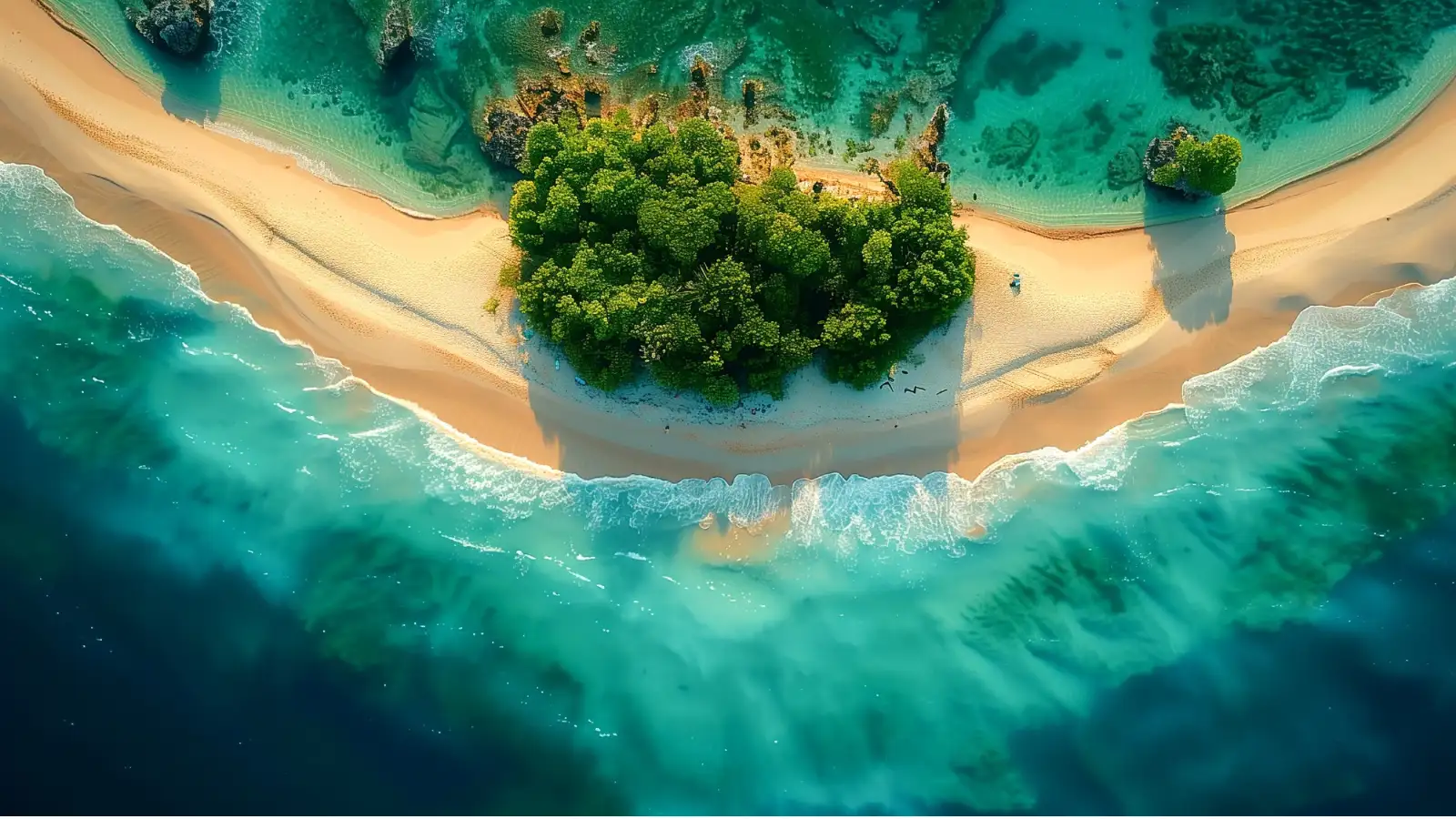
Why the Andaman Islands Are Called the Emerald Island
The islands are celebrated for their natural beauty, unique wildlife, and historical importance:
10 Lesser-Known Facts About Andaman and Nicobar Islands
Read More: Discover The Emerald Capital Of India
Wildlife and Natural Treasures
A Sanctuary for Rare Wildlife
The islands host species that exist nowhere else in the world, such as the Andaman Wood Pigeon, giant robber crabs, and various endemic reptiles.
Underwater Rainforests
The coral reefs act as underwater forests, protecting marine life and coastlines while keeping the ocean ecosystem healthy.
Read More: Discover The National Parks Of Andaman And Nicobar Islands
Port Blair : The Capital
Port Blair, recently renamed Sri Vijaya Puram, serves as the capital. The city connects the islands’ rich history with modern tourism and research. It also provides access to key landmarks, such as the Cellular Jail and Mount Harriet.
The Andaman and Nicobar Islands, known as the Emerald Island of India, are a green paradise with a perfect blend of nature, wildlife, history, and culture. Their lush forests, vibrant coral reefs, and unique ecosystems make them a true natural treasure of India.
Why the Andaman Islands Are Called the Emerald Island
The islands are celebrated for their natural beauty, unique wildlife, and historical importance: - Rich Forests: The islands’ dense tropical forests are home to countless plant species and endemic wildlife.
- Active Volcano: Barren Island hosts India’s only confirmed active volcano.
- Coral Reefs: The islands’ underwater reefs are among the world’s cleanest, supporting vibrant marine ecosystems.
10 Lesser-Known Facts About Andaman and Nicobar Islands
- The Sentinelese people, one of the world’s last uncontacted tribes, live here in total isolation.
- Before 1950, shells were used as currency for local trade.
- Barren Island contains South Asia’s only active volcano.
- Mount Harriet in the Andamans was featured on the old ₹20 note.
- The Dugong, India’s gentle sea cow, inhabits the islands’ waters.
- Leatherback sea turtles nest here in the world’s largest known ground.
- Commercial fishing has been banned to protect marine life.
- The islands’ name “Andaman” is derived from “Handuman,” linked to Hanuman.
- Netaji Subhash Chandra Bose hoisted the Indian flag here in 1943.
- The Nicobar Islands are home to the rare Nicobar Breadfruit, a staple for local tribes.
Read More: Discover The Emerald Capital Of India
Wildlife and Natural Treasures
A Sanctuary for Rare Wildlife
The islands host species that exist nowhere else in the world, such as the Andaman Wood Pigeon, giant robber crabs, and various endemic reptiles.You may also like
- Tamil Nadu assembly polls: AIADMK's Leema Rose Martin is the richest candidate with Rs 1,049 crore assets
- Uttarakhand CM Dhami reviews governance, stresses better healthcare in hills
- Returning officer can recommend repoll if webcasting at polling stations interrupted deliberately
- Delhi Police bust interstate illicit liquor racket in Dwarka; one arrested
- CPI leader K Ramakrishna demands PM Modi response on West Asia Conflict
Underwater Rainforests
The coral reefs act as underwater forests, protecting marine life and coastlines while keeping the ocean ecosystem healthy. Read More: Discover The National Parks Of Andaman And Nicobar Islands
Port Blair : The Capital
Port Blair, recently renamed Sri Vijaya Puram, serves as the capital. The city connects the islands’ rich history with modern tourism and research. It also provides access to key landmarks, such as the Cellular Jail and Mount Harriet. The Andaman and Nicobar Islands, known as the Emerald Island of India, are a green paradise with a perfect blend of nature, wildlife, history, and culture. Their lush forests, vibrant coral reefs, and unique ecosystems make them a true natural treasure of India.






More from our partners


Loving Newspoint? Download the app now
