
Why Forgotten Railway Stations Are Becoming Unexpected Wildlife Habitats

Across Britain and many other countries, abandoned railway stations are slowly being reclaimed by nature. Platforms once crowded with passengers now host wildflowers, nesting birds, insects, and small mammals.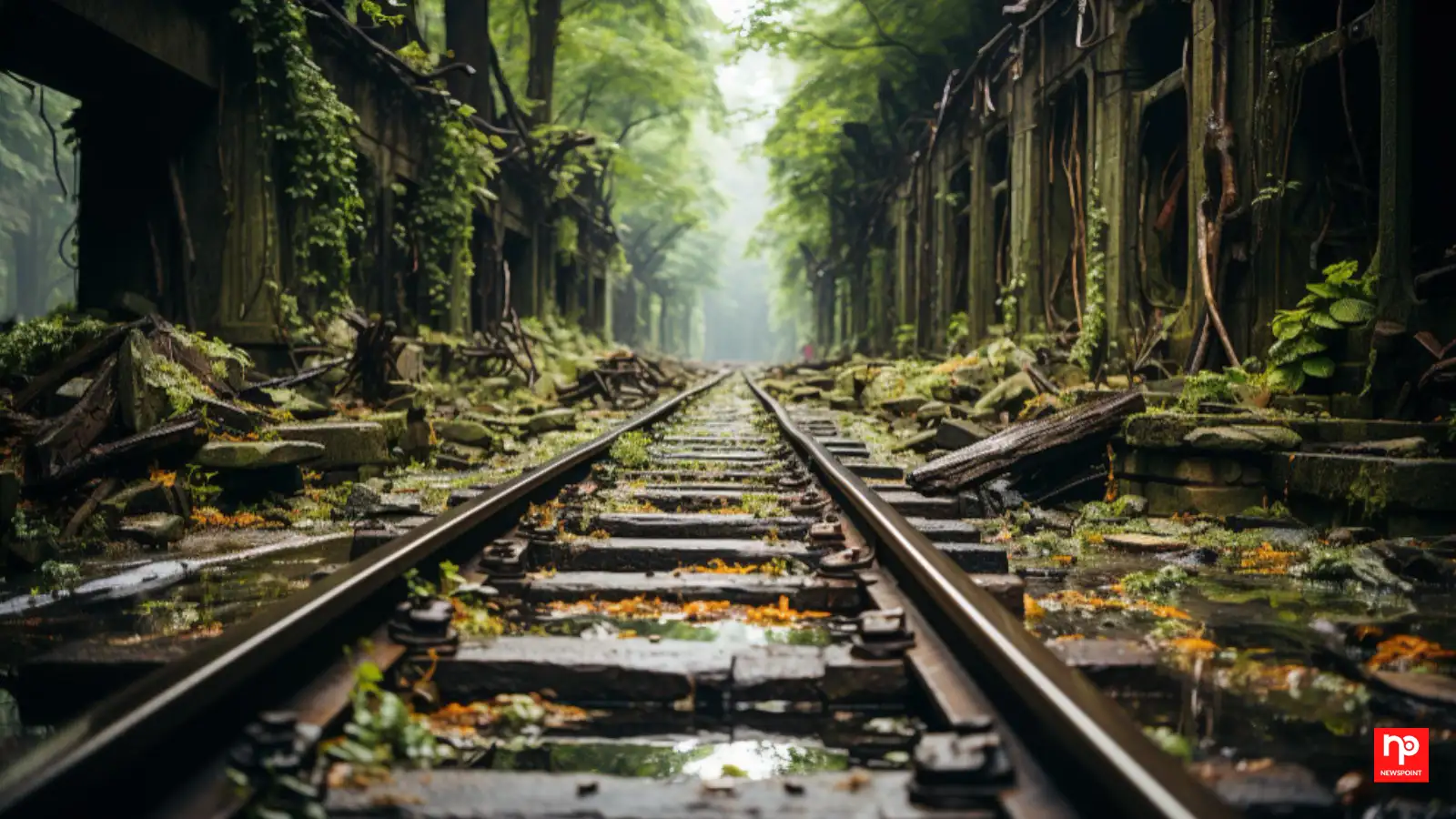
To many people, these forgotten stations simply look neglected or frozen in time. Environmental researchers, however, increasingly view them as accidental wildlife corridors developing inside heavily urbanised landscapes.
The transformation reveals something fascinating about how quickly ecosystems can return when human activity decreases.
Because railway land often remains undeveloped, plants and animals gradually move back into these quiet zones. Wild grasses spread first, followed by insects, birds, and small species seeking shelter away from busy roads and dense construction.
In some cities, abandoned rail corridors now function as narrow ecological pathways connecting fragmented green spaces.
Butterflies, bees, foxes, hedgehogs, and even rare bird species have been recorded around former railway land in several European regions.
Interestingly, some plants found near abandoned tracks originally arrived accidentally through historical transport networks. Seeds were once carried by cargo trains, livestock movement, and imported goods.
Over time, these species established themselves permanently along railway environments.
Some former railway routes have already been converted into walking trails and green public parks while preserving natural growth areas. These projects improve biodiversity while also giving residents more access to nature within urban settings.
The famous High Line in New York City became one of the best-known examples of transforming old railway infrastructure into green urban space.
Similar projects are now appearing in several countries as cities rethink unused industrial land.
Moss grows through concrete cracks, birds nest inside roof beams, and plants reclaim platforms once dominated by steel and machinery.
Ecologists often use these spaces to demonstrate the resilience of natural systems when given even limited opportunities to recover.
Wildlife constantly adapts to human landscapes, searching for overlooked corners where ecosystems can survive. Sometimes these places emerge not through careful environmental planning but through abandonment and neglect.
What once symbolised industrial progress and mass transportation can eventually become something entirely different. A silent station covered in wildflowers may now tell a new story about how nature continues reclaiming space in the modern world.
To many people, these forgotten stations simply look neglected or frozen in time. Environmental researchers, however, increasingly view them as accidental wildlife corridors developing inside heavily urbanised landscapes.
The transformation reveals something fascinating about how quickly ecosystems can return when human activity decreases.
How Railways Created Unexpected Green Spaces
Railway lines historically cut through cities, countryside, forests, and industrial areas. When stations or tracks closed during the twentieth century, many spaces were left largely untouched for decades.Because railway land often remains undeveloped, plants and animals gradually move back into these quiet zones. Wild grasses spread first, followed by insects, birds, and small species seeking shelter away from busy roads and dense construction.
In some cities, abandoned rail corridors now function as narrow ecological pathways connecting fragmented green spaces.
Why Certain Species Thrive Near Old Tracks
Disused railway environments create unusual habitats. Gravel surfaces drain water differently, old brick structures provide nesting spaces, and reduced human disturbance allows wildlife to settle more safely.Butterflies, bees, foxes, hedgehogs, and even rare bird species have been recorded around former railway land in several European regions.
Interestingly, some plants found near abandoned tracks originally arrived accidentally through historical transport networks. Seeds were once carried by cargo trains, livestock movement, and imported goods.
Over time, these species established themselves permanently along railway environments.
The Growing Interest in Urban Rewilding
Environmental planners increasingly support rewilding projects inside cities, and forgotten rail infrastructure plays a surprising role in that conversation.Some former railway routes have already been converted into walking trails and green public parks while preserving natural growth areas. These projects improve biodiversity while also giving residents more access to nature within urban settings.
The famous High Line in New York City became one of the best-known examples of transforming old railway infrastructure into green urban space.
Similar projects are now appearing in several countries as cities rethink unused industrial land.
You may also like
- Uttar Pradesh: 6 dead as under-construction bridge slab collapses over Betwa River in Hamirpur
- Allahabad HC rejects teachers' salary claim over suspicious appointment documents
- UN-honoured TN farmer turned coconut losses into profits with multi-crop, tree-based farming
- 7 killed in lightning strikes across Bihar
- "Change is always good, same ministers create anti-incumbency issue": Veerappa Moily on Karnataka cabinet reshuffle
Why Nature Returns Faster Than People Expect
One of the most striking things about abandoned stations is how rapidly ecosystems adapt. Even heavily industrialised spaces can begin recovering within a surprisingly short time once noise, pollution, and constant maintenance decrease.Moss grows through concrete cracks, birds nest inside roof beams, and plants reclaim platforms once dominated by steel and machinery.
Ecologists often use these spaces to demonstrate the resilience of natural systems when given even limited opportunities to recover.
What Forgotten Stations Reveal About Modern Cities
The quiet rebirth of old railway spaces highlights an important environmental lesson. Urban environments are not completely separate from nature, even when they appear heavily industrialised.Wildlife constantly adapts to human landscapes, searching for overlooked corners where ecosystems can survive. Sometimes these places emerge not through careful environmental planning but through abandonment and neglect.
What once symbolised industrial progress and mass transportation can eventually become something entirely different. A silent station covered in wildflowers may now tell a new story about how nature continues reclaiming space in the modern world.






More from our partners


Loving Newspoint? Download the app now
